In the high-stakes environment of modern healthcare, the emergence of multi-drug-resistant organisms represents one of the most pressing threats to patient safety. Among these, Candida auris (C. auris) has become a top-tier concern for the Centers for Disease Control and Prevention (CDC) due to its ability to cause life-threatening invasive infections and its alarming resistance to standard antifungal therapies.
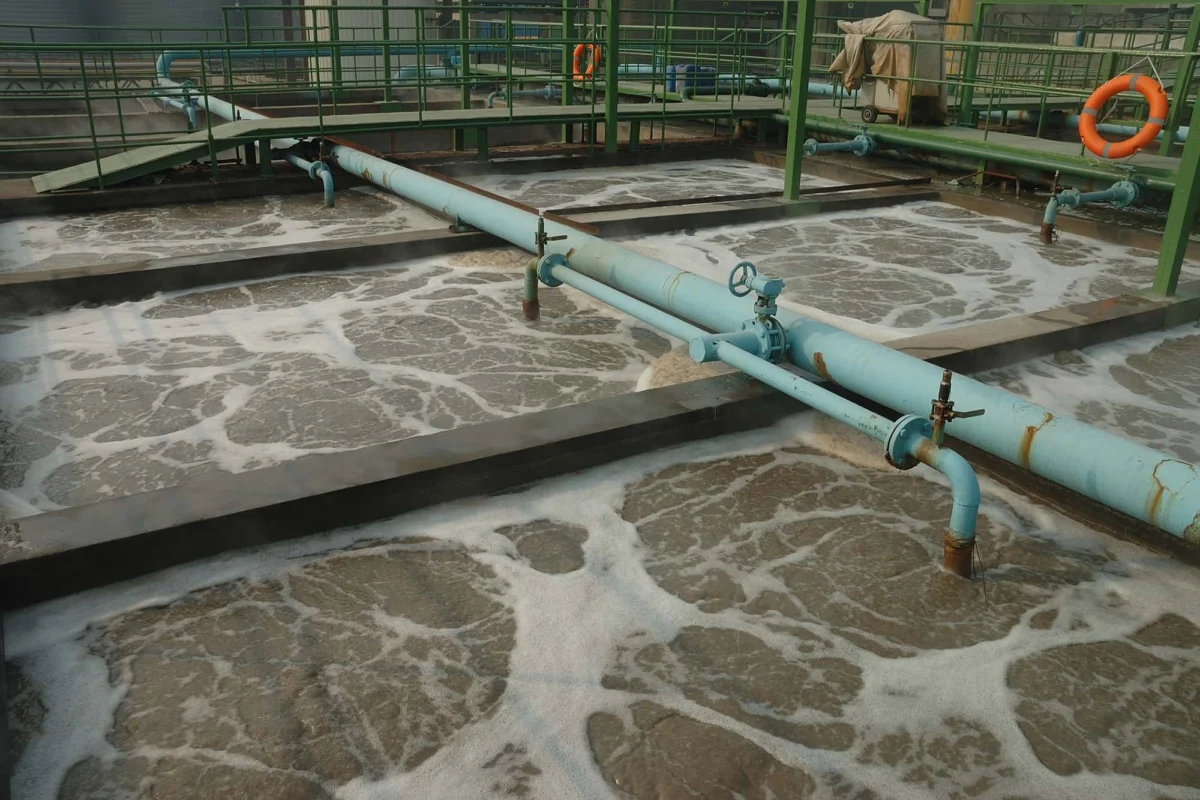
A breakthrough study recently published in Nature Communications offers a paradigm shift in how hospitals manage this invisible adversary. Researchers at the University of Nevada, Las Vegas (UNLV), have successfully demonstrated that by shifting wastewater surveillance from municipal treatment plants directly to the sewer lines serving specific healthcare facilities, they can identify the presence of C. auris up to five months before the first clinical symptoms appear in patients. This “early warning system” provides a critical temporal window for infection control teams to intervene, potentially saving countless lives.
The Silent Threat: Understanding C. auris
Candida auris is not merely another hospital-acquired infection; it is a clinical enigma. Unlike other common fungal infections, C. auris displays a unique resilience that allows it to survive on both dry and moist surfaces—including medical equipment, furniture, and personal clothing—for extended periods. Its tenacity is matched only by its defiance of medical intervention.
The fungus is frequently resistant to all three major classes of antifungal medications: azoles, polyenes, and echinocandins. This "pan-resistance" renders standard treatment protocols ineffective, leaving clinicians with few options for patients who develop bloodstream, heart, or brain infections. Mortality rates for invasive cases are staggering, with more than one in three patients succumbing to the infection. In 2025, the gravity of the situation was made clear in Nevada, which accounted for approximately 22% of the nearly 7,200 C. auris cases reported nationwide, totaling 1,605 infections.
Chronology of a Breakthrough: The UNLV Study
The methodology developed by the UNLV team, in collaboration with the Southern Nevada Water Authority, represents years of rigorous environmental sampling and genomic analysis.
Phase I: Establishing the Baseline (2021–2022)
The researchers began by analyzing municipal wastewater samples from large treatment plants. While this method is standard for tracking community-level outbreaks of viruses like SARS-CoV-2, the team found it lacked the necessary sensitivity for detecting localized, facility-specific fungal outbreaks. The dilution of samples from across a city masked the specific signals emanating from high-risk healthcare hubs.
Phase II: The "Facility-Scale Biopsy" (2022–2023)
Recognizing the limitations of municipal testing, the team pivoted to a more granular approach. Between 2021 and 2024, they sampled sewage lines directly serving three major Southern Nevada hospitals. This shift transformed the data from a broad city-wide average into a precise, "facility-scale biopsy."
Phase III: The Five-Month Lead Time (2024)
By comparing the direct-sewer data with patient clinical records, the team discovered a persistent lag between environmental detection and clinical diagnosis. The wastewater signals consistently predated the first symptomatic patient by roughly 150 days. This period represents a "golden window" during which hospitals can intensify cleaning, implement screening, and adjust prophylactic measures before an outbreak gains momentum.
Supporting Data: Why Localized Sampling Matters
The data gathered by the research team provides a compelling argument for moving away from community-level monitoring in favor of facility-direct testing.
- Sensitivity Gap: Wastewater sampled directly from hospital sewer lines yielded C. auris concentrations nearly 100 times higher than those recorded at municipal treatment plants.
- Detection Rates: When testing at the municipal plant level, the detection rate for C. auris was a meager 18%. In contrast, the facility-specific sewer lines yielded a 95% detection rate.
- Genomic Depth: Beyond detection, the researchers successfully built a comprehensive genomic repository. This allows for the tracking of specific strains as they move through a facility, offering insights into how the fungus adapts to drug pressure through metabolic rewiring and complex stress-response mechanisms.
This data suggests that when we test at the city level, we are essentially looking for a needle in a haystack. By testing at the hospital level, we are examining the needle itself under a microscope.
Official Responses and Expert Perspectives
The research has garnered significant attention from both public health officials and the academic community, highlighting the interdisciplinary nature of the solution.
Edwin Oh, a professor and director of the Center for Water Intelligence and Community Health at UNLV, characterized the breakthrough as a vital evolution in infection control. "Wastewater surveillance provides a noninvasive, facility-scale biopsy of a hospital community," Oh stated in a press release. "We can get answers on a daily basis, paving the way for healthcare facilities to save lives by figuring out sooner when pathogens resistant to a standard course of antifungal treatment are present."
Daniel Gerrity, a principal research laboratory scientist at the Southern Nevada Water Authority, emphasized the practical utility for frontline medical professionals. "These new results highlight the benefits of implementing this emerging public health tool closer to healthcare facilities, potentially leading medical professionals toward more effective treatment options for their patients," Gerrity noted.
Ching-Lan (Lanie) Chang, a neuroscience doctoral student at UNLV who played a key role in the research, underscored the human impact of the findings. "Too often, a patient’s own illness is the first signal that a drug-resistant strain has arrived in a facility, and by then it may already be spreading," she said. "Wastewater surveillance changes that timeline, giving healthcare workers, patients, and their families a head start that simply didn’t exist before."
Implications: The Future of Hospital Safety
The implications of this study extend far beyond the detection of C. auris. By establishing a framework for targeted wastewater surveillance, the UNLV team has created a blueprint that could be applied to a variety of other hospital-acquired infections, including MRSA, C. difficile, and other emerging "superbugs."
The Path to New Therapeutics
The genomic data collected during the study is already being utilized to identify the fungus’s biological weaknesses. By observing how C. auris rewires its metabolism to survive drug exposure, researchers are identifying new protein targets that could lead to the development of novel antifungal medications. Furthermore, the repository of genomes is a critical resource for those working toward the holy grail of fungal research: a viable vaccine for C. auris.
Shifting Infection Control Protocols
Traditionally, infection control in hospitals is reactive—triggered only after a patient shows symptoms, is tested, and is identified as a carrier. This study advocates for a proactive, environmental-first approach. If a hospital knows that a specific drug-resistant strain is present in the sewer system, they can:
- Enhance Environmental Cleaning: Shift to high-intensity, chemical-resistant disinfectants for common areas.
- Screening Protocols: Implement proactive screening for patients in high-risk wards (such as ICUs) before they show symptoms.
- Containment: Isolate potential transmission pathways more effectively.
A Global Model
While the study focused on Southern Nevada, the implications are global. As urbanization increases and hospital systems become more densely interconnected, the risk of cross-facility transmission grows. A standardized, facility-direct wastewater monitoring system could eventually become a standard of care, similar to how hospitals currently monitor air quality or water sterility in surgical suites.
In conclusion, the UNLV research demonstrates that the key to managing the next generation of drug-resistant threats may not be found in the laboratory or the clinic alone, but in the infrastructure that connects them. By listening to the "silent signals" in our wastewater, we are gaining a powerful new tool in the ongoing battle for patient safety and global public health.