







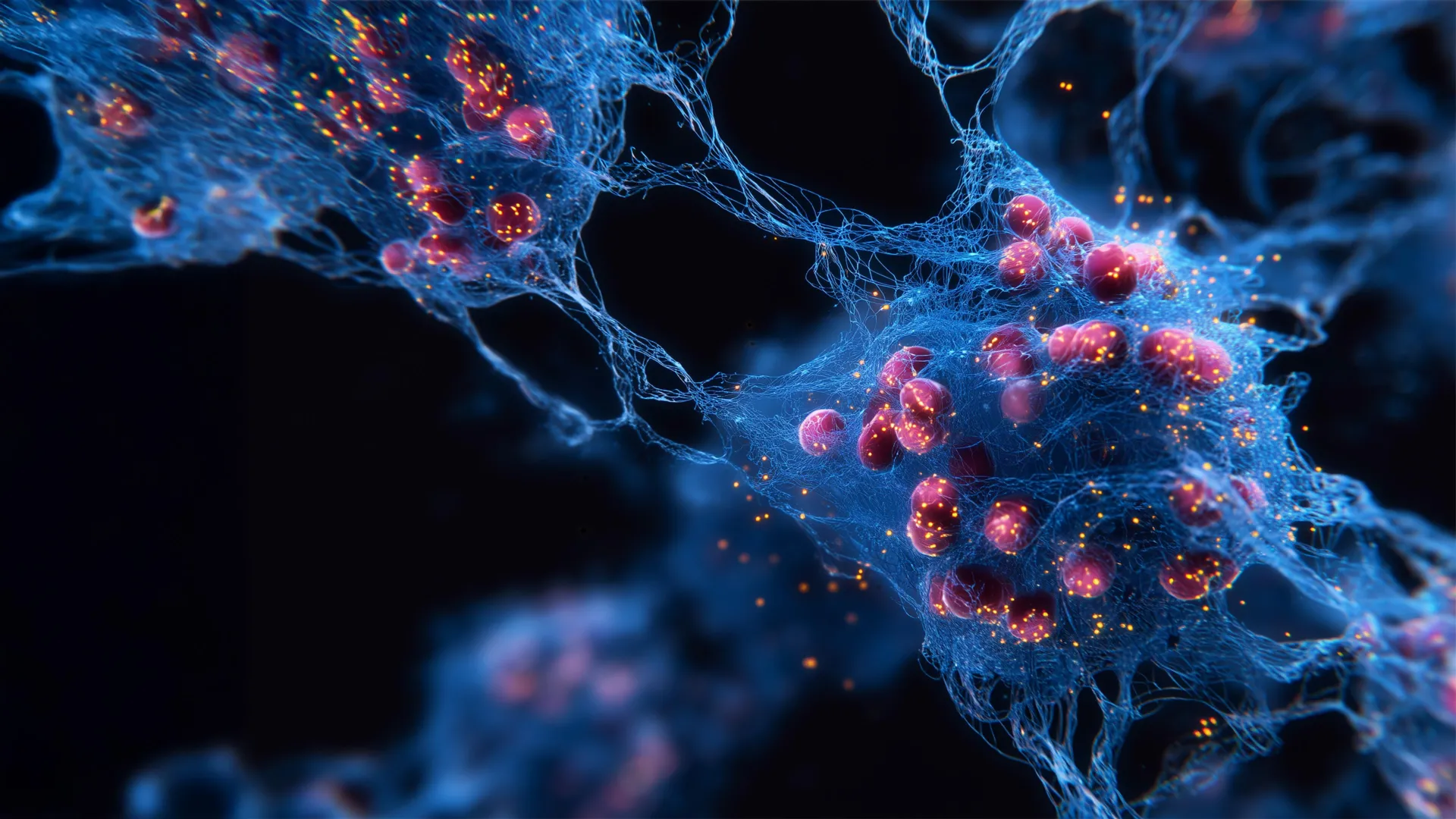
For decades, the field of geroscience—the study of the biology of aging—has been haunted by a monolithic villain: the senescent cell. Often colloquially dubbed "zombie cells," these senescent entities were long characterized as the primary culprits behind the systemic inflammation and organ degradation that define the human aging process. Once a cell enters senescence, it ceases to divide, lingering in a state of metabolic limbo where it secretes a toxic cocktail of inflammatory proteins.
However, a landmark review published on May 4, 2026, in Volume 18 of Aging-US is challenging this dogma. Titled "Cellular senescence: from pathogenic mechanisms to precision anti-aging interventions," the study represents a paradigm shift. Led by Jian Deng and Dong Yang of the West China Hospital, Sichuan University, the research suggests that the "zombie" label is not only simplistic but fundamentally misleading. By examining the diverse roles these cells play across human physiology, the authors argue that the future of anti-aging medicine does not lie in the total eradication of these cells, but in the sophisticated art of cellular discrimination.
The Chronology of a Scientific Reevaluation
To understand the magnitude of this shift, one must look at the historical trajectory of aging research.
The Early Days: Discovery and Demonization
The concept of cellular senescence was first identified in the 1960s by Leonard Hayflick, who observed that primary human cells have a finite capacity to divide. For years, this was viewed as a tumor-suppressive mechanism—a way for the body to prevent damaged cells from becoming cancerous. By the early 2000s, however, the focus shifted to the "dark side" of these cells. Researchers discovered that as these cells accumulated, they released a senescence-associated secretory phenotype (SASP), a complex blend of pro-inflammatory factors that degraded surrounding tissue architecture. This led to the "zombie cell" narrative, where the goal of longevity science became clear: kill the zombies, save the body.
The Turning Point: Functional Duality
Over the last decade, evidence began to mount that this binary view—senescent cells as "bad" and healthy cells as "good"—was insufficient. Studies in wound healing showed that some senescent cells were necessary to accelerate the closing of tissue lesions. Researchers found that in embryonic development, programmed senescence was essential for proper structural formation.
The Present: The Era of Precision
The May 2026 review synthesizes these findings, marking a transition from "senolysis" (the destruction of senescent cells) to "precision geroprotection." The field is now moving toward a diagnostic approach that asks not just "Is this cell senescent?" but "What is the specific functional phenotype of this senescent cell, and is it currently harming or helping the host?"
Understanding the Landscape of Cellular Senescence
The review meticulously categorizes how senescence develops across the human body, identifying a complex web of environmental and biological triggers.
Systemic Distribution and Triggers
Senescence is not limited to a single tissue; it is a systemic phenomenon. The review highlights that hepatocytes, endothelial cells, fibroblasts, macrophages, astrocytes, and epithelial cells are all susceptible. The triggers are equally diverse:
- Genetic and Molecular Stress: Telomere shortening and DNA damage.
- Metabolic and Mitochondrial Stress: Chronic inflammation and mitochondrial dysfunction.
- Environmental Factors: Exposure to ultraviolet radiation, oxidative stress, and persistent environmental pollutants.
The Diversity of the "Zombie" Population
The authors emphasize that senescent cells are not a uniform population. A fibroblast in the skin behaves very differently from an astrocyte in the brain. Some populations are "maladaptive"—meaning they actively drive fibrosis, metabolic disorders, and cancer progression—while others remain "homeostatic," contributing to the maintenance of tissue balance. This inherent heterogeneity is why broad-spectrum anti-aging drugs have faced limited success in clinical trials; treating the body as a single, uniform landscape ignores the nuanced requirements of individual organs.
Supporting Data: Mechanisms of Intervention
The review outlines the evolution of anti-aging interventions, categorizing them by their precision and their mechanism of action.
First-Generation Senolytics
The first wave of anti-aging drugs included compounds like dasatinib, quercetin, and fisetin. These functioned by disrupting the pro-survival pathways that allowed senescent cells to evade apoptosis. While these drugs proved successful in mouse models, the review notes that they lack the "surgical" precision required for long-term human use. They are essentially blunt instruments that clear both the pathogenic and the beneficial senescent cells.
Second-Generation: Senomorphics and Immunotherapies
The shift toward "senomorphic" therapies represents a major leap forward. Instead of killing the cells, these agents work to modulate the SASP, turning down the volume on the inflammatory signals without destroying the cell.
Furthermore, the review highlights the potential of CAR-T cell immunotherapy. By engineering immune cells to recognize specific markers expressed only on harmful senescent cells, scientists hope to achieve the "Holy Grail" of geroscience: a highly targeted, selective removal of diseased cells while sparing the surrounding healthy environment.
Official Perspectives: The Experts Speak
In their analysis, Deng and Yang emphasize that the current "one-size-fits-all" approach to senescence is a bottleneck for clinical progress. "Based on these insights," the authors state, "this review summarizes the induction mechanisms of cellular senescence and the subsequent evolution of their functional phenotypes across diverse tissues."
The experts behind the study advocate for a shift toward precision geroprotection. This philosophy suggests that therapeutic interventions should be guided by:
- Single-Cell Omics: Mapping the specific molecular signature of senescent cells in a patient.
- Lineage Tracing: Understanding the origin of these cells to predict their future impact.
- Spatial Profiling: Identifying the exact location of harmful cells within an organ’s architecture to ensure localized, rather than systemic, treatment.
Implications for Future Medicine
The implications of this research are profound for the future of healthcare. If scientists can successfully differentiate between beneficial and harmful senescent cells, the potential to reverse or delay age-related chronic illnesses—such as Alzheimer’s, heart disease, and sarcopenia—increases exponentially.
The Challenges Ahead
Despite the optimism, the review provides a necessary reality check. The field faces three primary hurdles:
- The Biomarker Gap: There is currently no "universal marker" that differentiates a helpful senescent cell from a dangerous one. Identifying these markers is the most urgent priority in the field.
- The Delivery Problem: Delivering therapeutic agents specifically to target tissues without causing collateral damage to healthy organs remains a significant engineering challenge.
- Long-term Safety: The long-term consequences of altering the body’s natural senescent cell landscape are not yet fully understood. Because these cells are involved in vital processes like immune surveillance and structural integrity, indiscriminate removal could lead to unforeseen vulnerabilities.
A Personalized Paradigm
The future, as outlined by the Sichuan University team, is inherently personalized. We are moving away from an era of general "anti-aging" and toward an era of "age-related disease management." This approach will likely combine prevention (lifestyle interventions to reduce metabolic stress), diagnostic functional analysis (monitoring the buildup of specific senescent phenotypes), and precision interventions (using targeted immunotherapies or senomorphics).
Conclusion: A Nuanced Path Forward
The "zombie cell" narrative, while effective for public communication, is now officially recognized as a relic of early-stage aging research. The work of Jian Deng, Dong Yang, and their colleagues serves as a roadmap for the next generation of researchers. By embracing the complexity of cellular senescence rather than attempting to simplify it, the scientific community is taking a more mature, evidence-based approach to the human lifespan.
We are not merely looking to remove cells; we are looking to restore the delicate balance of the aging organism. As this field matures, the goal of medicine will be to ensure that the process of aging is not a path toward inevitable decline, but a managed biological state where the body’s internal repair mechanisms are supported, not indiscriminately destroyed. The path ahead is complex, but for the first time, it is mapped with the precision required to truly change how we age.