





In an era where urban air quality and respiratory health have become critical public health priorities, the "Healthy Lungs for Life" campaign—an ambitious initiative spearheaded by the European Lung Foundation (ELF) and the European Respiratory Society (ERS)—recently took its mission to the streets of Barcelona. Through a series of high-impact, community-focused events, the campaign successfully bridged the gap between complex medical research and everyday lifestyle habits, proving that lung health is a fundamental pillar of overall wellbeing.
By partnering with local powerhouses such as ISGlobal and Hospital Clínic Barcelona, the campaign transformed public spaces into hubs of education, diagnostics, and physical activity. This report details the scope, significance, and ongoing impact of these activities as they pave the way for a healthier future in one of Europe’s most vibrant urban centers.
The Core Mission: Why Lung Health Matters
The "Healthy Lungs for Life" campaign is more than just an awareness drive; it is a multifaceted public health project designed to demystify respiratory medicine. With chronic respiratory diseases (CRDs) affecting millions across the continent, the campaign focuses on the dual pillars of prevention and early detection.
Respiratory health is frequently overlooked until symptoms become debilitating. By bringing clinical-grade testing and expert consultation into the public sphere, the initiative aims to shift the cultural perception of lung care from a reactive medical treatment to a proactive lifestyle choice. Whether it is through cleaner air advocacy, smoking cessation support, or the promotion of daily physical activity, the campaign provides actionable insights for citizens of all ages.
Chronology of the Barcelona Activation
The recent activities in Barcelona were structured to maximize public engagement, spanning from educational information booths to community-led movement initiatives.
Morning: The Diagnostic Hub at Casanova–Provença
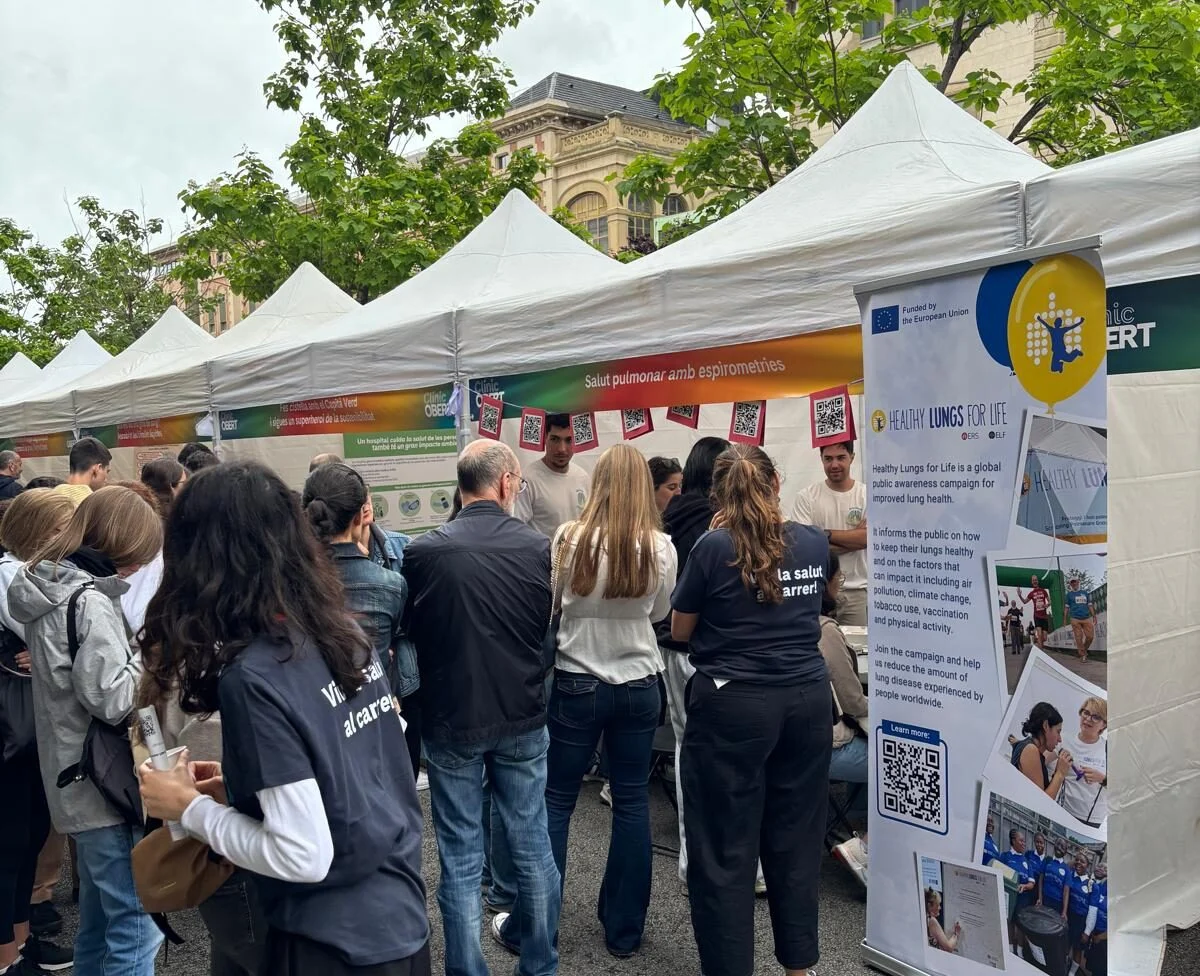
The day commenced with the establishment of a dedicated lung health information stand situated strategically near the Hospital Clínic Barcelona at the intersection of Casanova and Provença. From the early morning hours, the site became a focal point for pedestrians curious about their respiratory capacity.
The primary draw was the provision of free spirometry testing. Spirometry, a diagnostic test that measures the amount and speed of air a person can inhale and exhale, is the gold standard for identifying conditions like Chronic Obstructive Pulmonary Disease (COPD) and asthma. For many, this was their first encounter with such testing. The overwhelming public response—evidenced by long queues throughout the morning—demonstrated a clear, unmet demand for accessible, non-clinical screening options in public spaces. By midday, approximately 50 individuals had completed the screening, receiving immediate feedback and guidance from trained volunteers.
Afternoon: The 4 km Wellness Walk
Transitioning from clinical awareness to active living, the afternoon saw a community-led walk across the city. Starting from the Barcelona coastline and concluding at the Hospital Clínic, a group of fifteen participants embarked on a 4 km journey.
This was not merely a walk; it served as a mobile forum. As participants moved through the city, conversations shifted toward the intersection of environmental factors—such as local air quality—and the necessity of maintaining physical fitness to preserve lung function. This segment of the program emphasized that protecting one’s lungs is inherently tied to being active and engaging with one’s physical environment.
Supporting Data and the Burden of Disease
To understand why these initiatives are vital, one must look at the broader epidemiological context. According to the ERS, respiratory diseases are among the most common causes of death and disability globally.
- Early Detection: The "Healthy Lungs for Life" campaign highlights that early detection of lung conditions significantly improves long-term outcomes. By performing 50 screenings in a single day, the team identified potential risks that might have otherwise gone undiagnosed for years.
- The Physical Activity Connection: Research consistently shows that moderate physical activity is a protective factor against the decline of lung function. The 4 km walk served as a practical demonstration of this, encouraging citizens to integrate exercise into their daily routines.
- Collaborative Impact: The partnership between global entities (ELF/ERS) and local institutions (ISGlobal, Hospital Clínic, and LoveXAir) creates a scalable model. By pooling resources and local expertise, these organizations can influence city-level policy regarding air quality and public health infrastructure.
Official Responses and Strategic Collaborations
The success of the Barcelona event was underpinned by strong institutional backing. The presence of the Director of ISGlobal at the information stand signaled a high-level commitment to the integration of environmental science and clinical medicine.
"The goal of these activities is to ensure that every citizen feels empowered to take control of their respiratory health," noted a representative from the Healthy Lungs for Life project team. "When we see the queues at our testing stands, we aren’t just seeing patients; we are seeing a community that is ready to prioritize their well-being if given the right resources."
These collaborations are not isolated incidents. They represent a long-term roadmap that will continue throughout 2026. The alignment with the upcoming ERS Congress further amplifies the reach of these local actions, connecting Barcelona’s community efforts to the global stage of respiratory research.
Implications for Public Health Policy
The "Healthy Lungs for Life" campaign serves as a blueprint for how medical institutions can interact with the public. Several implications arise from the success of the Barcelona model:
1. Decentralization of Health Services
By moving lung function testing out of the hospital and into the city streets, the campaign reduced the "barrier to entry" for health checks. Many participants may have been intimidated by the process of booking a formal medical appointment for a non-acute issue. The accessibility of the stand proved that public space is a viable arena for preventative medicine.
2. The Role of Environmental Advocacy
The discussions held during the 4 km walk regarding air quality are particularly significant in the context of urban planning. Barcelona, like many dense European cities, faces challenges with traffic-related air pollution. By linking individual health to the broader environment, the campaign subtly advocates for greener, more walkable urban spaces.
3. Sustainability of Awareness
The commitment to continue these efforts through 2026 suggests that the organizers recognize that one-off events are insufficient for behavioral change. The focus on sustained, repetitive engagement allows the campaign to build trust within the community, fostering a culture of health literacy that will persist well beyond the event dates.
Looking Ahead: A Vision for 2026
As the program progresses toward the 2026 ERS Congress, the "Healthy Lungs for Life" campaign is poised to expand its influence. Plans are already in motion to integrate more advanced educational tools, wider community outreach, and potential policy dialogues with city officials to address air quality improvements.
For the residents of Barcelona, the message is clear: the lungs are the engine of the body, and their health is a shared responsibility between the individual and the city. Through continued collaboration with partners like LoveXAir and the local medical community, the campaign is setting a new standard for how respiratory health is championed in the 21st century.
How to Get Involved
The campaign emphasizes that the fight for healthy lungs is a collective effort. Individuals interested in supporting this mission, staying informed on the latest respiratory research, or participating in future local events are encouraged to join the Healthy Lungs for Life mailing list. By fostering a community of informed citizens, patients, and experts, the project aims to ensure that the air we breathe—and our ability to breathe it—remains a top priority for all.
In summary, the Barcelona activation was a resounding success that demonstrated the power of community-based health interventions. By combining scientific rigor with accessible public engagement, the organizers have successfully planted the seeds for a more respiratory-conscious society. As the program continues its journey through 2026, the global health community will undoubtedly be watching, hoping to replicate the success of this vital initiative.