










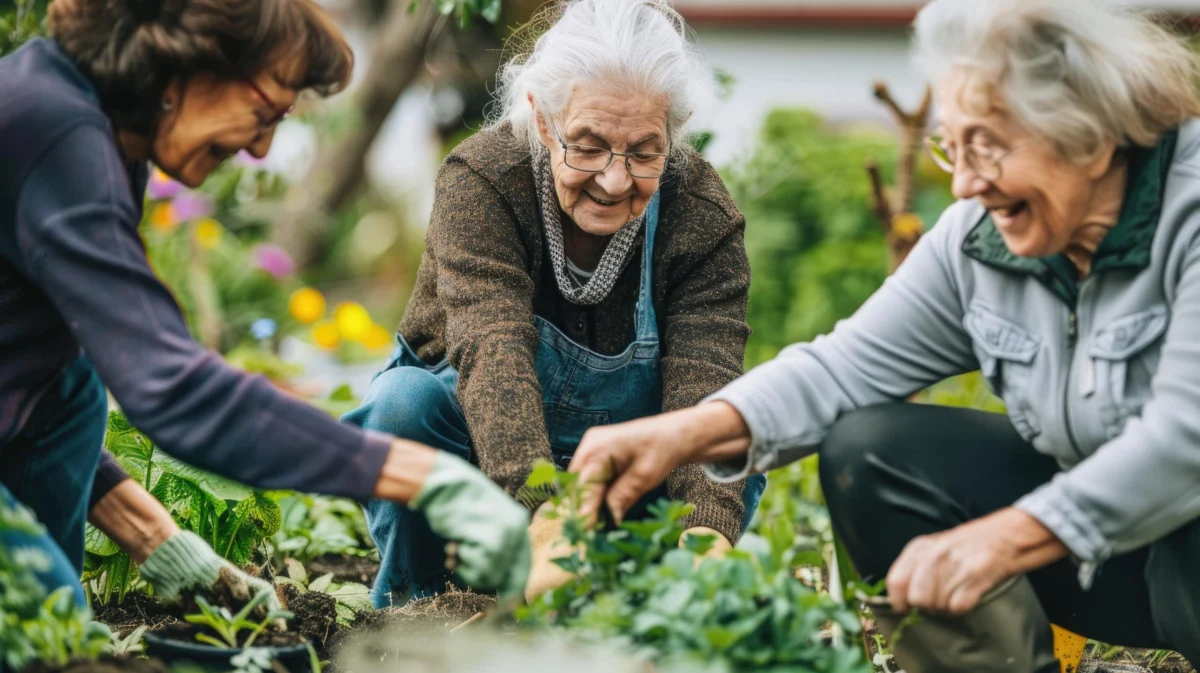
The nostalgia of Earth Day often transports us back to the classroom: the simple joy of planting a sapling, the earnestness of picking up litter, and the rudimentary lessons on photosynthesis. As children, these activities were our first brush with environmental stewardship. However, as we age, the benefits of engaging with the Earth—specifically through gardening—evolve from a simple school project into a powerful tool for holistic health.
Recent research published in the American Journal of Occupational Therapy (AJOT) highlights a growing body of evidence suggesting that gardening, particularly within a community setting, acts as a profound catalyst for mental health, social cohesion, and physical longevity. As we celebrate Earth Day this April, it is time to recognize that getting our hands in the soil is not just a hobby; it is a vital prescription for healthy aging.
Main Facts: The Intersection of Nature and Well-Being
At the core of the recent AJOT study is the concept of "occupational therapy" (OT). While often associated with rehabilitation after injury, the broader field of OT focuses on how meaningful daily activities—or "occupations"—can enhance the quality of life.
The study, which monitored residents at a transitional housing facility over a five-week gardening group therapy program, found that gardening provides a tangible "avenue for hope and self-fulfillment." The findings suggest that the act of nurturing living things has a direct correlation with an individual’s self-reported life satisfaction.
Key Pillars of Benefits:
- Mental Health: Connection to nature acts as a natural stress-reliever, lowering cortisol levels and fostering a meditative state.
- Social Participation: Gardening clubs break the cycle of isolation, providing a natural setting for meaningful interaction and intellectual exchange.
- Physical Dexterity: The fine motor skills required for planting seeds, pruning, and using garden tools serve as a gentle, low-impact exercise regimen.
- Nutritional Advantage: Growing one’s own produce allows for immediate access to fresh, preservative-free nutrients, which are essential for robust immune system function in older adults.
Chronology: A Five-Week Journey to Resilience
To understand the transformative power of gardening, the researchers tracked a small cohort of older adults in a supported living environment. The five-week program was structured not merely as a horticultural exercise, but as a therapeutic intervention.
Week 1: The Foundation. Participants were introduced to the gardening site. For many, the initial hurdle was physical apprehension. The focus was on "low-stakes" activities, such as preparing soil and choosing seeds.
Week 2: Engagement. As the first signs of germination appeared, researchers noted a shift in the participants’ demeanor. The "anticipation of growth" began to replace feelings of stagnation, a common sentiment in communal living settings.
Week 3: Social Integration. By the midpoint, the garden had become a communal hub. Conversations shifted from polite small talk to deep, intellectual discussions about the process, personal histories, and shared experiences. The garden acted as a "third space," facilitating social bonds that did not exist prior to the study.
Week 4: Mastery and Maintenance. Participants began to take ownership of their specific plots. The physical exertion—weeding, watering, and staking plants—became routine. Researchers noted that the participants’ fine motor skills, particularly hand dexterity, showed measurable improvement.
Week 5: Reflection. By the final week, the data was clear. All participants reported a significant increase in their "sense of hope." The study concluded that the act of contributing to the growth of a living organism provided a sense of purpose that remained resilient even after the program ended.
Supporting Data: Why Gardening Works
The efficacy of gardening for older adults is supported by a growing convergence of gerontological research. According to data from the National Institute on Aging (NIA), physical activity is a cornerstone of cognitive and physical health. Gardening offers a unique "sneaky" workout—a term experts use to describe physical activity that provides cardiovascular and musculoskeletal benefits without the monotony of a gym.
The "Green" Benefit
Studies have consistently shown that time spent in "green spaces" reduces blood pressure and heart rate. For older adults, the exposure to natural light during gardening sessions ensures a healthy dose of Vitamin D, which is critical for bone health and mood regulation. Furthermore, the intellectual stimulation of planning a garden—understanding soil pH, light requirements, and growth cycles—functions as a form of "cognitive reserve," helping to stave off cognitive decline.
Nutritional Impact
When participants consume the vegetables they have grown, they benefit from "farm-to-table" freshness. Grocery-store produce is often harvested before peak ripeness and transported over long distances, losing nutritional value in the process. Home-grown produce is harvested at its peak, providing higher levels of antioxidants and vitamins, which are essential for combating the oxidative stress associated with aging.
Occupational Therapy: A Professional Perspective
April is recognized as Occupational Therapy Month, and the timing of these findings is fortuitous. Occupational therapists (OTs) are experts in helping people of all ages participate in the things they want and need to do through the therapeutic use of everyday activities.
"Gardening is the quintessential occupational therapy activity," says a leading expert in the field. "It involves physical movement, cognitive planning, sensory engagement, and social connection. It is not just about the plant; it is about the person’s relationship with the environment."
OTs are increasingly incorporating horticulture into their care plans for seniors. By adapting tools for those with arthritis or physical limitations—such as utilizing raised beds, ergonomic trowels, and adaptive watering systems—OTs ensure that gardening remains an accessible, safe, and empowering activity for everyone, regardless of physical ability.
Implications: Building a Greener Future for Seniors
The implications of this research for public health policy and urban planning are significant. If gardening can provide hope and social connection for those in supported living, then community gardens should be considered essential infrastructure rather than aesthetic amenities.
Expanding Access
Local governments and health systems should prioritize the development of "therapeutic landscapes." This involves:
- Universal Design: Ensuring that public and private community gardens are wheelchair accessible and feature ergonomic infrastructure.
- Intergenerational Programs: Connecting seniors with school-aged children in garden settings to foster community and pass on horticultural knowledge.
- Medical Referrals: Encouraging healthcare providers to "prescribe" nature and community gardening as part of a holistic wellness plan.
Safety First
While the benefits are numerous, safety remains paramount. The National Institute on Aging emphasizes that older adults must take precautions when exercising outdoors, including staying hydrated, wearing appropriate sun protection, and being mindful of physical limits. Resources provided by the NIA serve as a critical guide for ensuring that the physical activity remains beneficial rather than burdensome.
Conclusion: Planting Seeds for a Better Tomorrow
As this Earth Day approaches, the message is clear: the benefits of engaging with the environment do not expire with age. Whether it is pulling a weed, snipping fresh herbs for dinner, or simply sitting in a chair amidst a blooming garden, the act of connecting with the earth is a profound affirmation of life.
For older adults, gardening offers more than just a harvest; it offers a rhythm of life that is defined by growth, anticipation, and community. It is a reminder that we are all part of a larger ecosystem, and that, at any age, we have the capacity to nurture, to create, and to thrive.
This April, we invite you to step outside. Plant a seed, join a local garden club, or simply breathe in the fresh air. As the AJOT study suggests, the simple act of gardening may be the most accessible, and most effective, tool we have for cultivating a vibrant, healthy, and hopeful future.
Katie Riley, Vice President of Communications for the Alliance, reminds us that the best time to start a garden—and to start investing in your own well-being—is today.