





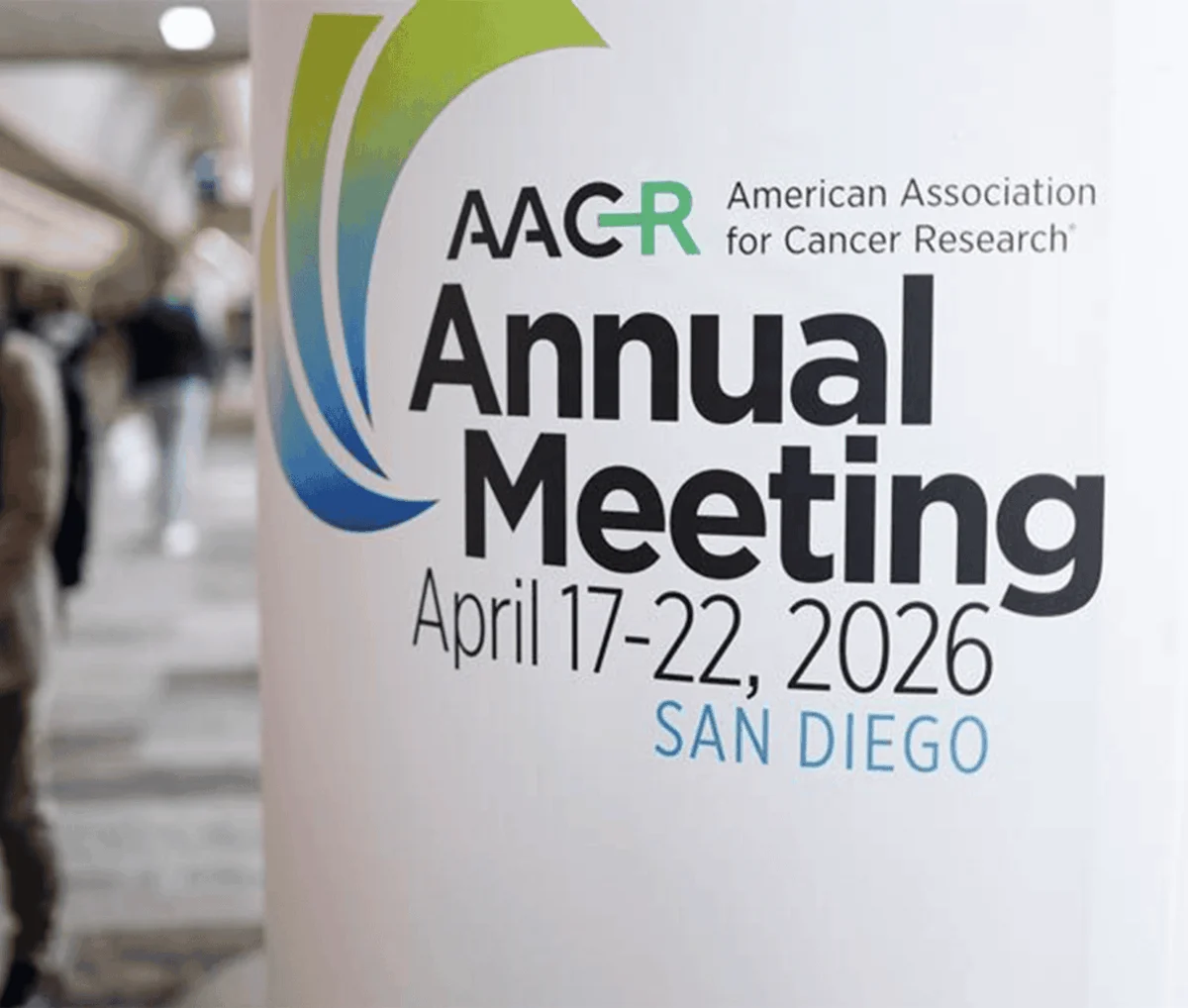
The landscape of oncology is undergoing a seismic shift. No longer defined solely by the study of malignant cells in isolation, cancer research has evolved into a multidisciplinary pursuit where biology, cutting-edge technology, and robust public policy intersect. This transformation was on full display at the American Association for Cancer Research (AACR) Annual Meeting, held in San Diego from April 17–22, 2026.
The event served as a global stage for thousands of researchers, clinicians, and advocates to evaluate the state of cancer science. The consensus emerging from the six-day summit is clear: the future of cancer care depends on our ability to integrate complex biological insights with computational power, all while navigating the structural hurdles that prevent these breakthroughs from reaching the bedside.
1. The Main Facts: Redefining Cancer as a System
The most significant departure from traditional oncology at this year’s meeting was the conceptualization of cancer as a "systemic ecosystem." Experts argued that a tumor is not merely a collection of rogue cells, but an active, dynamic entity that communicates with its environment.
The Microbiome and Metabolism
Researchers presented compelling evidence that the tumor microenvironment (TME) is heavily influenced by systemic factors, including metabolic states and the human microbiome. By manipulating these variables, clinicians hope to render tumors more vulnerable to existing therapies.
The Role of Neural Influence
One of the most provocative sessions focused on the role of the nervous system in tumor progression. Evidence suggests that nerve fibers infiltrating tumors act as "conductors" of the immune landscape. These signals can actively suppress the body’s natural anti-tumor defenses, explaining why some patients fail to respond to standard immunotherapies. In certain aggressive cancers, the density of nerve-cell invasion has now been identified as a reliable biomarker for predicting immunotherapy outcomes.
2. Chronology of Discovery: A Week in San Diego
The AACR 2026 meeting followed a rigorous schedule of discovery, moving from fundamental biological inquiry to the practical realities of clinical trial management.
- April 17–18: Mapping the Ecosystem. The opening days were dominated by single-cell sequencing and spatial biology. Presentations showcased how tumors communicate with surrounding stromal tissues and immune cells, effectively "rewiring" their environment to survive.
- April 19: The Immunotherapy Evolution. The spotlight shifted to clinical breakthroughs. The AACR-ASCO Joint Session highlighted the next generation of Chimeric Antigen Receptor (CAR) T-cell therapies, focusing on their application in solid tumors—the "holy grail" of current cell therapy research.
- April 20: Technology and AI Integration. A pivot toward digital transformation occurred, with panels demonstrating how artificial intelligence is accelerating drug discovery pipelines and optimizing clinical trial design.
- April 21: Policy and Structural Reform. The focus turned to the "infrastructure of care." The Researcher Town Hall addressed the looming crisis in federal research funding and the persistent bottlenecks in patient recruitment for clinical trials.
- April 22: Synthesis and Future Directions. The meeting concluded with a call to action: moving from discovery to implementation, ensuring that the fruits of laboratory research translate into scalable, equitable patient care.
3. Supporting Data: Precision and Persistence
The breadth of research presented at AACR 2026 was underscored by staggering quantitative data.
From "Undruggable" to Targetable
Perhaps the most optimistic news came from the development of inhibitors for KRAS-mutated tumors. Once considered impossible to target, new data from firms like Revolution Medicines suggests that we are entering a new era for pancreatic and lung cancer treatments. These small-molecule inhibitors are showing sustained efficacy in cohorts that previously had no viable options.
The Power of Prevention
In a landmark presentation, researchers from The University of Texas MD Anderson Cancer Center shared findings on oral precancer treatments. By directly injecting nivolumab (Opdivo®) into precancerous lesions, investigators achieved:
- 60% average reduction in lesion size.
- 80% success rate in maintaining cancer-free status after one year.
This shift toward "preventative oncology" suggests that we may eventually intervene long before a malignancy becomes life-threatening.
Global Trends in Trials
CRI Research Scientist Fahad Benthani, PhD, provided a data-driven overview of the current clinical landscape. By analyzing over 24,000 global immunotherapy trials, his team mapped a significant increase in complex, multi-agent combination strategies. The data confirms that the industry is moving away from "one-size-fits-all" immunotherapy toward highly personalized, biomarker-driven regimens.
4. Official Responses and Industry Sentiment
The mood among the leadership at AACR 2026 was one of "cautious urgency." While the scientific advancements are unprecedented, there is a palpable concern regarding the sustainability of the current research ecosystem.
The Funding Crisis
At the Researcher Town Hall, speakers emphasized that the pace of innovation is currently outstripping the speed of federal funding. Many principal investigators noted that the "valley of death"—the gap between academic discovery and commercial development—is widening due to economic instability and increasing global competition for talent and resources.
The Accessibility Gap
CRI’s Director of Strategic Programs, Cynthia Neben, PhD, highlighted the persistent failure to include diverse patient populations in clinical trials. Her presentation argued that until the infrastructure of trial participation is democratized, the benefits of precision medicine will remain locked behind geographic and socioeconomic barriers.
5. Implications for the Future of Cancer Care
The implications of the 2026 AACR meeting are profound, touching on everything from how we treat patients tomorrow to how we fund science a decade from now.
For Patients
The move toward precision means fewer patients will endure the "trial and error" approach that has defined oncology for decades. By using biomarkers and spatial analysis, doctors will be able to select therapies that are biologically matched to a patient’s unique tumor profile. Furthermore, the success of preventative injections offers a future where surgery and invasive therapies are minimized.
For Researchers
The message for the scientific community is clear: specialization is no longer enough. The most successful researchers of the next decade will be those who bridge the gap between "wet lab" biology and "dry lab" computation. The ability to interpret AI-generated insights and apply them to complex immunological systems will define the next generation of breakthroughs.
For the Healthcare Infrastructure
The "integration" theme implies that the future of cancer care is as much about logistics as it is about chemistry. To make these therapies work, the global health infrastructure must prioritize:
- Streamlined Trial Recruitment: Removing the administrative and physical barriers that prevent patients from accessing clinical trials.
- Global Collaboration: Standardizing data collection to allow for international meta-analyses of immunotherapy outcomes.
- Policy Advocacy: Ensuring that federal funding reflects the actual costs of high-tech drug development and patient-centered research.
Conclusion: The Path Ahead
The AACR 2026 Annual Meeting was more than a showcase of data; it was a roadmap for the next stage of human health. We have moved beyond the simple identification of cancer cells. We are now mapping the nerves, the metabolism, and the immune ecosystem that drive the disease.
However, the final hurdle remains. The transition from "what is possible" to "what is practical" requires a commitment to equitable access and sustainable funding. As the scientific community looks toward the next decade, the challenge is not just to innovate, but to integrate—ensuring that every discovery in the laboratory is translated into a tangible, accessible, and life-saving outcome for patients worldwide. The future of oncology is being written in San Diego, and it is a future where cancer is no longer a monolith, but a manageable, and eventually, preventable condition.