In the escalating battle against the global epidemic of fatty liver disease, medical researchers have unveiled a promising new therapeutic candidate that could fundamentally shift the standard of care. A study published in the prestigious journal The Lancet has introduced ION224, an experimental antisense therapy designed to shut down the biological machinery that triggers fat accumulation within the liver.
For the millions of individuals suffering from metabolic dysfunction-associated steatohepatitis (MASH)—an aggressive, often silent condition—this development represents more than just another pharmaceutical option; it is a potential mechanism to halt the progression of liver damage at its source.
Main Facts: A Direct Assault on Liver Fat
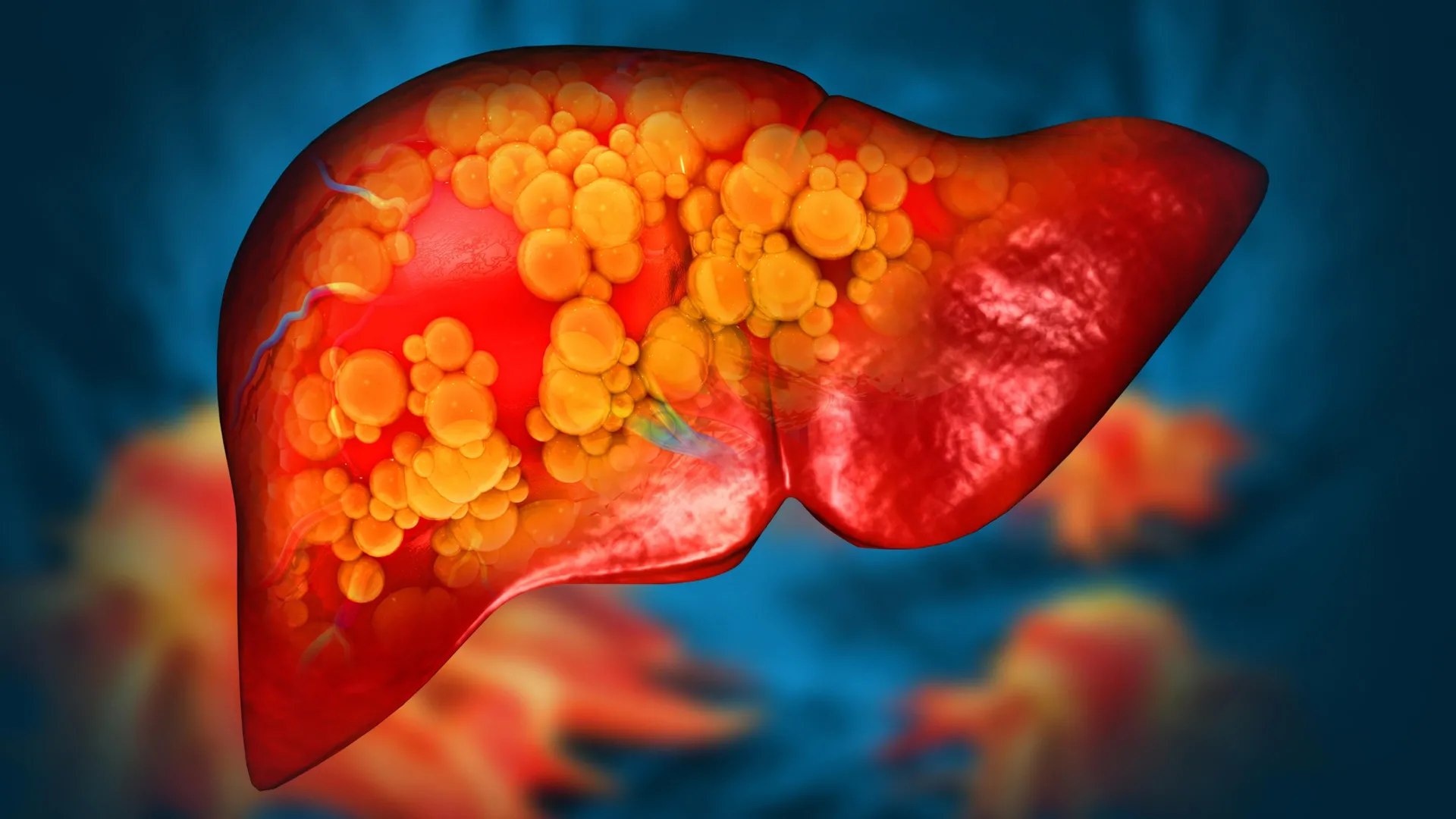
MASH, formerly recognized as nonalcoholic steatohepatitis (NASH), is a severe manifestation of fatty liver disease. It is characterized by the accumulation of excess fat in the liver, which triggers chronic inflammation and progressive tissue scarring, or fibrosis. Left unchecked, the disease serves as a silent precursor to cirrhosis, liver failure, and hepatocellular carcinoma.
The experimental drug ION224 represents a departure from traditional treatments, which have historically focused on lifestyle modifications or symptom management. Instead, ION224 functions by targeting the enzyme diacylglycerol acyltransferase 2 (DGAT2). DGAT2 is a critical protein involved in "de novo lipogenesis"—the metabolic pathway by which the liver synthesizes and stores fat.
By blocking this enzyme, the drug effectively cuts off the supply chain of fat creation within the hepatocytes (liver cells). The significance of this approach is two-fold: it addresses the metabolic dysregulation inherent in the disease and, as clinical results suggest, does so without requiring drastic weight loss, which has been the primary—and often elusive—goal for patients suffering from MASH.
Chronology of the Clinical Investigation
The road to the current findings began with the realization that targeting the symptoms of metabolic syndrome was insufficient to reverse the damage already occurring within the liver architecture.
The Phase IIb Trial Structure
The Phase IIb clinical trial, which provided the evidence for the recent publication in The Lancet, was a rigorous 51-week study. Researchers enrolled 160 adult participants across the United States, all of whom had been diagnosed with MASH and confirmed mild to moderate liver fibrosis.
The trial protocol was designed to evaluate the safety and efficacy of monthly injections of ION224. Participants were divided into cohorts receiving varying doses of the drug or a placebo. The longitudinal nature of the 51-week period allowed researchers to observe not only immediate metabolic changes but also the stabilization of liver health over nearly a full year.
Key Milestones
- Recruitment and Screening: Identifying a patient population that met the strict criteria for MASH and fibrosis.
- Administration: Monthly subcutaneous injections, ensuring consistent systemic levels of the antisense therapy.
- Assessment: Regular monitoring of liver enzymes, imaging for fat content, and biopsies to assess fibrosis reduction.
- Data Analysis: The conclusion of the 51-week period revealed that approximately 60% of patients in the highest-dose group achieved meaningful improvements in their liver health parameters compared to those in the placebo group.
Supporting Data: Why the Scientific Community is Paying Attention
The data emerging from the study provides a robust case for the efficacy of DGAT2 inhibition. In the context of MASH, the "success" of a drug is measured by its ability to resolve inflammation and halt the deposition of collagen (the precursor to scarring).
Comparative Efficacy
Unlike many weight-loss-centric interventions, ION224 demonstrated success in patients regardless of their ability to shed significant body mass. This is a critical finding, as many patients with advanced metabolic dysfunction struggle to maintain the caloric deficits required for weight loss. The data suggests that ION224 acts as a "metabolic bypass," correcting the liver’s internal fat production machinery independently of the patient’s systemic body mass index.
Safety and Tolerability Profile
A recurring hurdle in the development of liver-targeting medications is the risk of adverse systemic side effects, particularly the elevation of blood triglycerides—a dangerous byproduct of some earlier attempts to block fat synthesis. The study reports that ION224 was generally well-tolerated. It notably avoided the dangerous triglyceride spikes observed in previous generations of DGAT2 inhibitors, clearing a significant hurdle for regulatory approval.
Official Responses and Expert Commentary
Dr. Rohit Loomba, the study’s principal investigator and the chief of the Division of Gastroenterology and Hepatology at UC San Diego School of Medicine, has been vocal about the implications of these findings.
"This study marks a pivotal advance in the fight against MASH," Dr. Loomba noted. "By blocking DGAT2, we are interrupting the disease process at its root cause, stopping fat accumulation and inflammation right in the liver. This is the first drug of its kind to show a real biological impact in MASH."
The research team, which included collaborators from Ionis Pharmaceuticals and Arizona Liver Health, emphasized that the collaborative nature of this trial—pairing industry expertise with academic rigor—was essential in navigating the complexities of liver metabolism. The study was funded by Ionis Pharmaceuticals, demonstrating a strong commitment from the private sector to bring this antisense technology to the clinic.
Implications: A New Era for Metabolic Health
The global prevalence of fatty liver disease is nothing short of a crisis. Current estimates suggest that one in four adults worldwide lives with some form of metabolic dysfunction-associated steatotic liver disease (MASLD). In the United States alone, the affected population exceeds 100 million.
Beyond Weight Loss
The primary implication of the ION224 study is the decoupling of weight loss from liver health. While weight loss remains a fundamental health goal, the reality of clinical practice is that many patients require pharmaceutical intervention to prevent the transition from fatty liver to cirrhosis. ION224 offers a path forward that works with the patient’s physiology rather than against it.
Future Combination Therapies
The researchers are already looking ahead. The future of MASH treatment is likely not a "silver bullet" but a multi-pronged approach. Experts anticipate that ION224 could be paired with GLP-1 receptor agonists—the class of medications that includes Ozempic and Wegovy. While GLP-1 drugs excel at systemic weight loss and insulin regulation, pairing them with an liver-specific inhibitor like ION224 could create a synergistic effect: one drug handles the systemic metabolic demand, while the other halts the specific pathology within the liver tissue.
The Path to Phase III
Before ION224 can reach the pharmacy shelf, it must survive the gauntlet of Phase III clinical trials. These larger, multi-center trials are designed to confirm the safety and efficacy across a much broader and more diverse patient population. Regulatory bodies, such as the FDA, will be looking for sustained evidence that the improvements in inflammation and fibrosis translate into long-term clinical benefits, such as a reduction in the need for liver transplants or a decrease in the incidence of liver cancer.
Conclusion: A Glimmer of Hope for Millions
The emergence of ION224 as a viable candidate for treating MASH represents a milestone in hepatology. By successfully targeting the DGAT2 enzyme, researchers have unlocked a way to suppress the "factory" that creates the very fat driving the disease.
As we look toward the next phase of research, the potential to not just slow, but potentially reverse the damage of MASH, offers a new lease on life for patients who have spent years navigating the progression of a silent, life-threatening condition. If the Phase III trials confirm the findings of the Lancet report, we may be on the cusp of a transformative era in which liver failure is no longer an inevitable destination for those living with metabolic dysfunction. The science is complex, but the goal is simple: to stop the disease before it begins to define the patient’s future.