



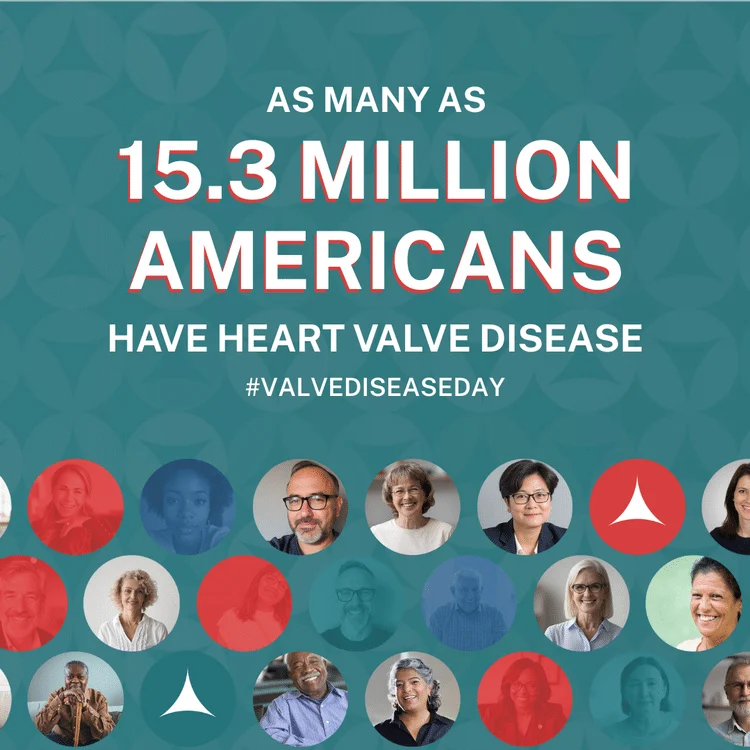
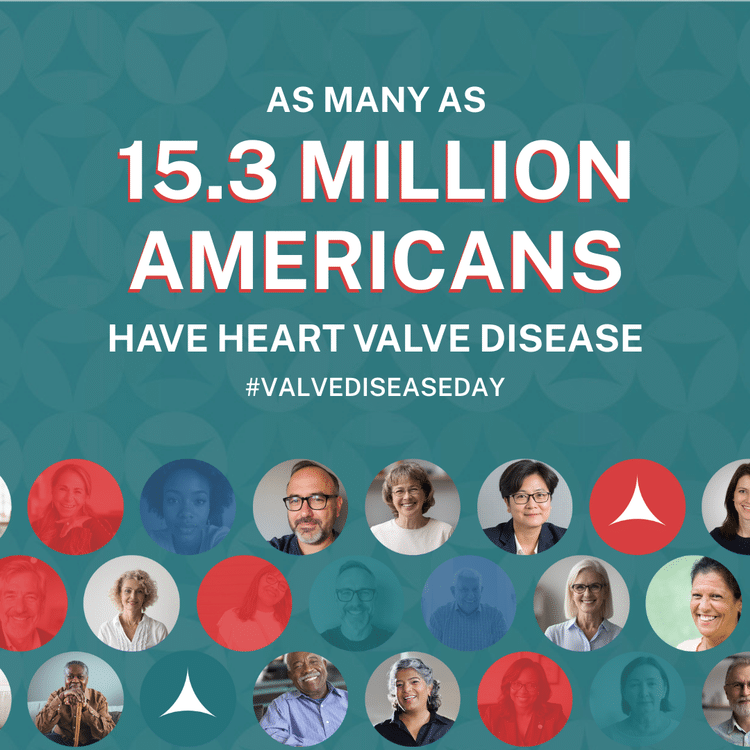
As February 22 approaches, the global medical and patient advocacy communities are preparing to commemorate a significant milestone: the 10th anniversary of Heart Valve Disease Awareness Day. For a decade, this campaign has served as a critical lighthouse for the 15.3 million Americans currently living with or at risk for heart valve disease (HVD)—a condition that, despite its prevalence, remains alarmingly underdiagnosed and misunderstood.
What began as a localized effort to improve diagnostic rates has evolved into a robust international movement. As the campaign enters its second decade, it arrives with a modernized digital infrastructure and a renewed focus on the core mission: bridging the gap between clinical detection and patient quality of life.
Main Facts: The Silent Epidemic
Heart valve disease occurs when any of the heart’s four valves—the mitral, tricuspid, pulmonary, or aortic—do not function properly. When these valves fail to open fully or close tightly, the heart must work significantly harder to pump blood throughout the body.
The scope of the issue is staggering. With 15.3 million Americans affected, the condition represents a major public health challenge. Despite these numbers, many patients remain asymptomatic in the early stages, or they dismiss subtle symptoms like fatigue, shortness of breath, or dizziness as mere signs of "getting older." This diagnostic delay is the primary hurdle the campaign seeks to clear.
The Awareness Day campaign is built on four pillars that have guided its efforts since inception:
- Recognition: Educating the public on the warning signs of valve dysfunction.
- Patient Empowerment: Providing a platform for those living with HVD to share their journeys.
- Clinical Dialogue: Encouraging patients to advocate for themselves by asking their physicians for a heart check, specifically a stethoscope exam.
- Data-Driven Advocacy: Utilizing research to push for better screening protocols and healthcare policy.
Chronology: A Ten-Year Evolution of Impact
The journey of Heart Valve Disease Awareness Day is a study in sustained momentum.
- 2016–2018 (The Formative Years): The campaign’s initial focus was foundational. Organizers worked to standardize language around the disease, moving it out of the shadows of general cardiovascular issues and into a specific category of public health concern.
- 2019–2021 (The Digital Pivot): As the COVID-19 pandemic necessitated virtual connection, the campaign successfully transitioned its efforts online. This period saw the birth of the "Social Press Kit," a tool that allowed advocates to bypass physical limitations and reach thousands of people through digital channels.
- 2022–2024 (Expanding the Reach): The campaign began to see increased engagement from policymakers and healthcare institutions, with a greater emphasis on addressing the disparities in diagnosis and treatment across different demographic groups.
- 2025–2026 (The Anniversary Milestone): This year marks the transition into the second decade. The launch of a redesigned, user-centric website and the hosting of a major legislative-focused reception at the U.S. Capitol reflect the campaign’s current maturity and its goal to influence systemic policy.
Supporting Data: Why Awareness Matters
The statistics surrounding HVD are not merely numbers; they are indicators of systemic gaps in our healthcare delivery. The "15.3 million" figure serves as a sobering reminder of the disease’s reach, but the true concern lies in the percentage of these individuals who are unaware of their condition.

Recent data suggests that mortality rates associated with valve disease could be significantly reduced with earlier intervention. Unlike some chronic conditions that require complex diagnostic procedures, a significant portion of valve disease cases can be identified through a simple physical exam—the use of a stethoscope to detect a heart murmur.
The campaign’s focus on the "Listen to Your Heart" initiative is rooted in this simplicity. By encouraging patients to ask their doctors, "Is my heart healthy?" or "Do I have a murmur?", the campaign aims to turn every routine physical exam into a potential life-saving intervention.
Official Responses and Strategic Shifts
In celebration of this 10th anniversary, the leadership team behind the campaign has overhauled their outreach strategy.
"We are moving from a phase of general awareness to a phase of targeted action," says Katrin Werner-Perez, Director of Health Programs at the Alliance for Aging Research. "The new website is not just a brochure; it is a resource hub. It allows a patient in a rural community to find the same level of information and support as a patient at a top-tier urban medical center."
The redesigned portal features:
- Patient Advocacy Hub: A repository of real-world experiences that demystify the patient journey from diagnosis to recovery.
- Shareable Assets: High-resolution graphics and pre-written social media copy that allow organizations, hospitals, and individuals to participate in the conversation without needing a marketing budget.
- Event Planning Kits: Tools that help local community leaders organize their own awareness events, ensuring that the movement is grassroots-led as much as it is centrally coordinated.
The campaign has also prioritized the upcoming February 25 reception at the U.S. Capitol Visitor Center. This is not just a celebration; it is a strategic convening of stakeholders. By bringing together policymakers, cardiologists, and patient advocates, the campaign hopes to secure continued support for research funding and improved access to cardiac care.
Implications: The Road Ahead
What does the next decade hold for heart valve disease awareness? The implications of the current campaign are threefold:
1. Earlier Detection as a Standard of Care
The ultimate goal is for the assessment of heart valves to become a non-negotiable component of every routine physical. As the campaign continues to pressure the medical establishment, the expectation is that physicians will be better equipped—and more encouraged—to perform consistent auscultation, the process of listening to the heart to detect abnormalities.
2. Addressing Health Equity
One of the major lessons of the past ten years is that not everyone has equal access to high-quality cardiac care. The campaign’s future focus will likely involve targeted outreach to underserved communities where cardiovascular disease is often disproportionately high and detection rates are often lower. By providing educational materials in multiple languages and partnering with community clinics, the campaign is actively working to level the playing field.
3. Technological Integration
The next ten years will undoubtedly be defined by the integration of digital health and AI-assisted diagnostics. The campaign is poised to incorporate information on how wearable technology and remote monitoring can help patients track their heart health, providing a bridge between the patient’s home and the doctor’s office.
4. A Sustained Cultural Shift
Perhaps the most significant achievement of the last decade has been the reduction of the stigma and fear associated with a heart diagnosis. By normalizing conversations about heart health, the campaign has empowered millions to take control of their longevity.
As we look toward the next decade, the message remains as urgent as it was in 2016. Heart valve disease is a progressive, potentially life-threatening condition, but it is also highly treatable if caught in time. The 10th anniversary is not just a time to look back at the progress made; it is a call to arms for the work that remains.
For those interested in joining the movement, the newly updated Heart Valve Disease Awareness Day website serves as the central point of entry. Whether through social media advocacy, attending a local event, or simply having a conversation with a primary care provider, every individual has a role to play in ensuring that the next ten years are defined by lower rates of underdiagnosis and higher rates of survival.
The campaign has built the tools, the community, and the momentum. Now, as the nation observes this 10th anniversary, the focus shifts to the individual—to the patient who will ask the right questions, and to the physician who will listen. In that small, focused interaction, the future of heart health is written.