










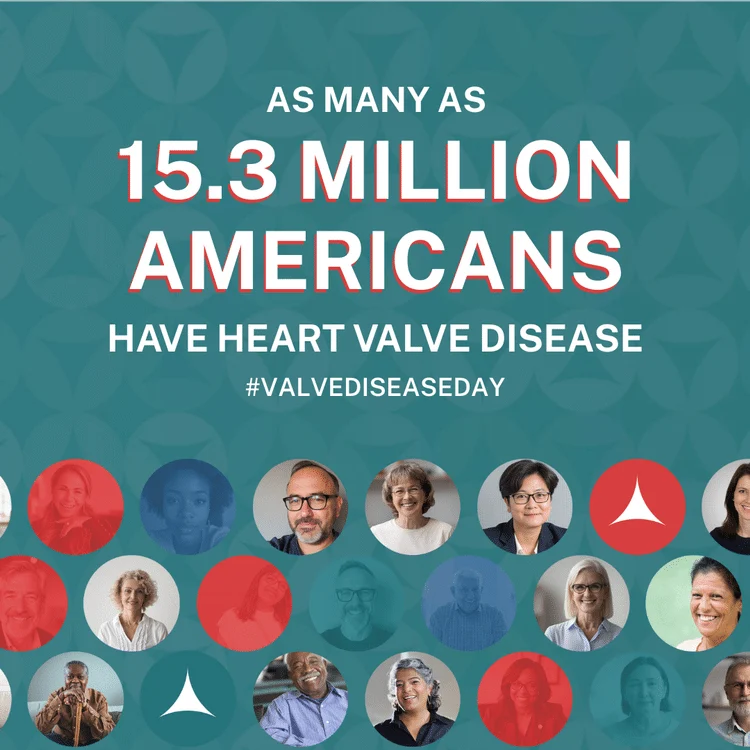
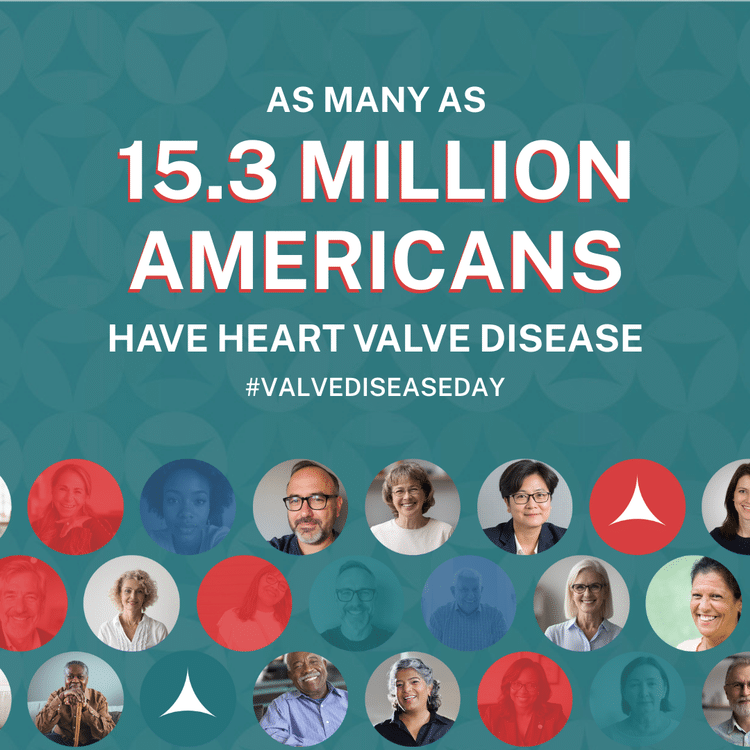
As February 22 approaches, the global medical community and patient advocacy groups are preparing to mark a significant milestone: the 10th anniversary of Heart Valve Disease Awareness Day. For a decade, this campaign has served as a critical bridge between medical research and the millions of Americans navigating the complexities of heart health. While the anniversary is a time for reflection on the progress made, it also serves as a sobering reminder of the work that remains, as 15.3 million Americans currently live with this often-underdiagnosed condition.
The Core Mission: A Decade of Education and Action
Heart Valve Disease Awareness Day was established to combat a dangerous lack of public knowledge regarding structural heart issues. The heart, a complex pump, relies on four valves to ensure blood flows in the right direction. When these valves fail to open or close correctly—due to age, congenital defects, or infection—the heart’s efficiency drops, leading to severe health complications, including heart failure, stroke, and sudden cardiac death.
Over the past ten years, the campaign has focused on three pillars: education, early detection, and empowerment. By elevating patient voices and encouraging individuals to "listen to their hearts," the movement has sought to transform how the public perceives symptoms such as shortness of breath, fatigue, and chest discomfort—symptoms often dismissed as mere signs of aging.
Chronology: Ten Years of Impact
The evolution of the Heart Valve Disease Awareness Day campaign reflects the broader shift in patient-centered healthcare over the last decade.
- 2016–2018 (The Formative Years): The campaign began as a grassroots effort to establish a national identity for valve disease. During this period, the primary goal was visibility. Advocates and physicians worked to get the condition recognized by the public as a distinct health issue separate from general heart disease.
- 2019–2021 (The Digital Pivot): As the global pandemic necessitated a shift in how health information was disseminated, the campaign embraced digital transformation. This era saw a surge in social media utilization, allowing patients in remote areas to connect with specialists and share their diagnostic journeys.
- 2022–2024 (Policy and Partnerships): The campaign moved into the halls of government, engaging with policymakers to prioritize heart valve screening and access to care. This period saw the strengthening of partnerships with major health organizations, leading to more robust data collection and public health initiatives.
- 2025–2026 (The Anniversary Milestone): Today, the campaign enters its second decade with a refined, tech-forward approach. The launch of a redesigned website and a comprehensive Social Press Kit marks a transition toward empowering everyday citizens to act as ambassadors for heart health.
Supporting Data: The Scope of the Crisis
The figure of 15.3 million Americans impacted by heart valve disease is not merely a statistic; it is a public health imperative. Clinical data suggests that while the prevalence of the condition increases significantly with age, it remains drastically underdiagnosed.
Why Detection Lags
Many patients delay seeking care because the symptoms of valve disease are insidious. Because the onset is often gradual, patients subconsciously adjust their lifestyles to accommodate increasing fatigue or breathlessness. Research indicates that:

- Asymptomatic progression: A significant portion of the population carries moderate to severe valve disease without realizing it.
- The "Age" Trap: Because valve disease is more common in the elderly, many patients (and even some primary care providers) mistakenly attribute symptoms to "normal" aging rather than a treatable structural heart issue.
- Diagnostic Gaps: The use of the stethoscope remains the first line of defense, yet it is often underutilized during routine physicals for detecting murmurs—the tell-tale sign of valve issues.
The campaign’s focus on "listening to the heart" is a direct response to these diagnostic gaps, aiming to turn every patient-doctor visit into an opportunity for early intervention.
The Digital Transformation: Tools for the Next Decade
To mark the 10th anniversary, the campaign has unveiled a suite of new digital tools designed to lower the barrier to entry for advocacy. The newly redesigned website serves as a central repository for:
- Patient Narratives: By humanizing the data, the campaign provides a platform for those who have navigated surgery or long-term management to share their experiences. This fosters a sense of community and reduces the anxiety surrounding diagnosis.
- Interactive Resources: The site now offers simplified, shareable content. Whether it is an infographic explaining how a valve works or a checklist of symptoms to discuss with a physician, the materials are crafted for immediate impact.
- The Social Press Kit: A standout feature of this anniversary year is the revamped Social Press Kit. By providing ready-to-use graphics and pre-written social media posts, the campaign allows for a cohesive, amplified message across the internet. Hashtags like #ValveDiseaseDay and #ListenToYourHeart serve as digital markers that unite individual posts into a powerful, unified call to action.
Official Responses and the Path Forward
The culmination of the 10th-anniversary celebration is scheduled for February 25 at the U.S. Capitol Visitor Center in Washington, D.C. This flagship reception is designed to bring together the trifecta of the movement: medical experts, patient advocates, and federal policymakers.
According to those involved in the planning, the event is not intended to be a victory lap, but rather a "strategy session" for the future. The conversation will center on how to integrate heart valve screening into standard preventive care protocols.
"The goal is to move from awareness to action," says Katrin Werner-Perez, Director of Health Programs at the Alliance for Aging Research. "We have spent ten years telling people that heart valve disease is real and that it is treatable. Now, we are focusing on ensuring that the health system is equipped to catch it early enough to make a difference."
Implications for Patients and Healthcare Providers
The implications of this decade of advocacy are profound. For the medical community, the message is clear: the stethoscope must remain a primary tool for diagnosis. For the patient, the responsibility is to be an advocate for one’s own health.
Improving Patient Outcomes
Early detection of heart valve disease is synonymous with better outcomes. When caught early, many valve conditions can be monitored; when they reach a critical stage, modern interventional cardiology offers minimally invasive procedures—such as TAVR (Transcatheter Aortic Valve Replacement)—that can drastically improve quality of life and longevity.
The Next Ten Years
As the campaign looks toward its second decade, the focus is shifting toward scalability. If 15.3 million Americans are affected now, that number is expected to rise as the U.S. population continues to age. The infrastructure built by the Heart Valve Disease Awareness Day campaign—its website, its network of advocates, and its relationship with policymakers—will be the foundation upon which future health initiatives are built.
The call to action remains simple yet vital: If you are experiencing unexplained fatigue, dizziness, or chest pain, do not wait. Speak to your doctor, ask about your heart valves, and take control of your cardiovascular health.
As the campaign enters its next decade, the message remains the same as it was ten years ago: Your heart is the engine of your life. It deserves to be listened to.