For decades, the Continuous Positive Airway Pressure (CPAP) machine has stood as the undisputed "gold standard" in the treatment of Obstructive Sleep Apnea (OSA). Yet, for the millions of patients who struggle with the physical discomfort, psychological burden, and logistical challenges of wearing a pressurized mask every night, the treatment often feels like an impossible hurdle. A groundbreaking new study, presented at the ATS 2026 conference, may finally offer a reprieve.
The "Pavlov" study, led by researchers at the Ramón y Cajal Hospital in Madrid, suggests that positional therapy—a method of nudging patients to sleep on their sides—can do more than just manage symptoms; it can fundamentally retrain human behavior. By conditioning patients to avoid back-sleeping, this approach offers a rare, potentially permanent alternative to device-dependent therapy.
The Core Challenge: CPAP Adherence and the "Positional" Patient
Obstructive Sleep Apnea is a chronic condition characterized by repeated airway collapses during sleep. While CPAP therapy is remarkably effective at keeping those airways open, its clinical efficacy is frequently undermined by poor real-world adherence. Data consistently shows that up to 40% of patients fail to use their CPAP machines with the frequency required to achieve genuine health benefits. Whether due to mask leaks, claustrophobia, or the disruption of intimacy, the "gold standard" often ends up collecting dust in a closet.
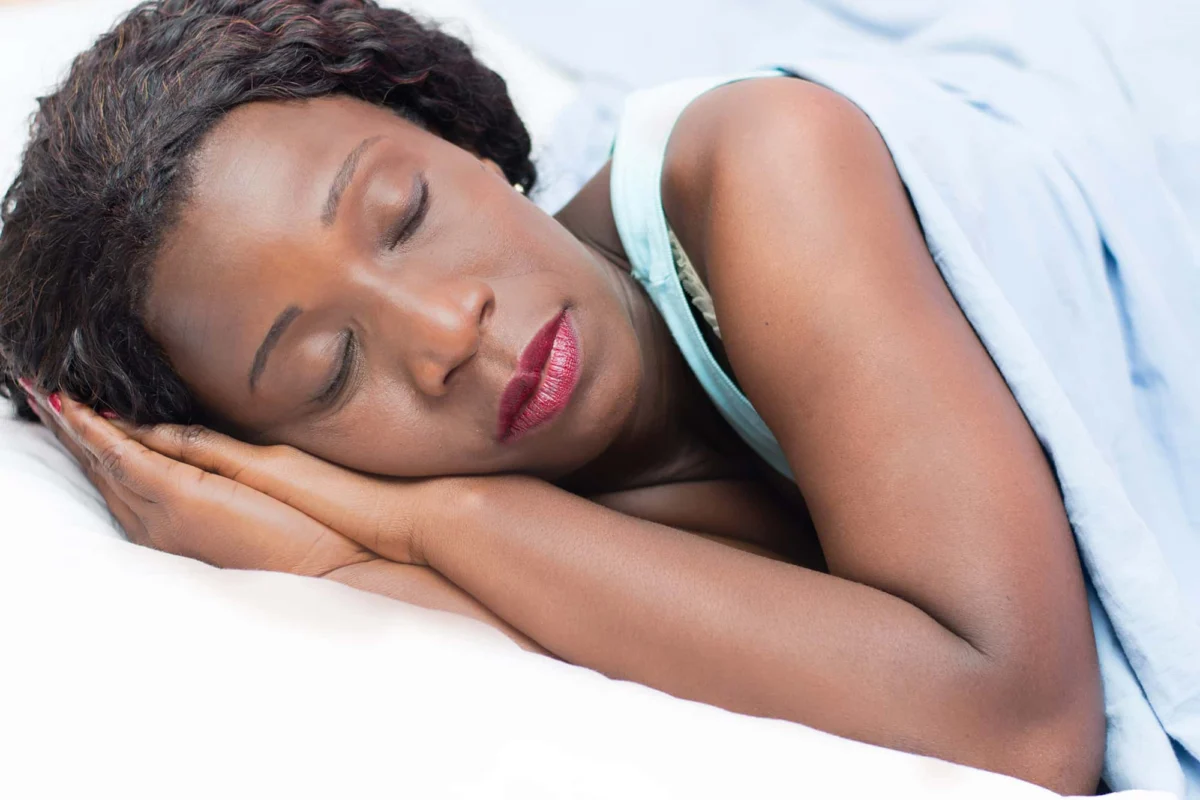
However, a significant subset of the OSA population—up to 75%—suffers from what is known as "positional" OSA. In these patients, the apnea is triggered primarily or exclusively when they sleep on their backs. Gravity causes the tongue and soft tissues to collapse into the airway in the supine position, but when these same patients roll onto their sides, their airways remain patent.
For this group, the industry has long explored positional therapy: devices worn on the chest or neck that monitor body position and emit a gentle vibration or sensory prompt whenever the patient rolls onto their back. While historically viewed as a temporary crutch, the Pavlov trial has now challenged the assumption that these devices must be used forever.
The Pavlov Trial: A Shift in Therapeutic Philosophy
The study, titled "Long-Term Conditioning Response After Positional Therapy Withdrawal in Obstructive Sleep Apnea," sought to answer a bold question: Could the brain be conditioned to prefer side-sleeping even after the sensory feedback device is removed?
In a controlled clinical setting, researchers monitored patients using positional therapy devices over a six-month period. The device functioned as a "behavioral coach," providing immediate, non-invasive feedback the moment a patient transitioned to a supine position. The goal was not merely to keep the patient on their side, but to imprint a subconscious preference for the lateral position.
The results, unveiled at ATS 2026, were nothing short of transformative. More than two-thirds of the study participants maintained their side-sleeping behavior long after the active treatment phase concluded. Even more remarkably, this behavioral modification proved durable: one year after the devices were withdrawn, these patients were still effectively controlling their OSA without the need for any assistive equipment.
Chronology of the Research and Methodology
The journey to these findings began with the realization that current sleep apnea management is overly reliant on "passive" therapy—treating the symptom of airway collapse rather than addressing the mechanical position that triggers it.
- Phase 1: Baseline Assessment: Patients diagnosed with positional OSA were screened for baseline apnea-hypopnea indices (AHI) while sleeping in the supine position versus the lateral position.
- Phase 2: Active Conditioning (Six Months): Participants were equipped with vibration-based positional sensors. The protocol emphasized that the device was not a permanent fixture but a training tool. Patients were encouraged to understand the relationship between their physical position and their sleep quality.
- Phase 3: Withdrawal and Monitoring: Following the six-month intervention, the devices were removed. Researchers tracked the patients for an additional twelve months, utilizing ambulatory sleep monitoring to confirm that the patients had successfully internalized the side-sleeping habit.
- Phase 4: Comparative Analysis: The data was compared against standard CPAP outcomes, measuring both AHI reduction and patient quality-of-life metrics.
The findings indicate that the "conditioning" effect is robust, suggesting that the brain can indeed learn to perceive the supine position as "uncomfortable" or "wrong," effectively automating the protective behavior.
Supporting Data and Clinical Implications
The clinical significance of the Pavlov trial lies in its potential to reduce the long-term healthcare burden. Currently, the cycle of CPAP therapy involves recurring costs: mask replacements, hose maintenance, machine calibration, and constant medical follow-ups to monitor compliance.
If a patient can be successfully "re-trained" in six months, the economic and systemic benefits are immense. By moving from a model of device-dependent therapy to self-maintained therapeutic effect, healthcare systems could see a drastic reduction in the costs associated with the long-term management of sleep apnea.
Furthermore, the data suggests that positional therapy is not just an alternative; it is a viable first-line treatment for a massive portion of the OSA population. While CPAP remains essential for those with severe, non-positional apnea, the "Pavlov" approach provides a high-comfort, low-maintenance pathway for the majority of patients who currently struggle to find success with traditional masks.
Official Responses and Expert Perspective
Dr. Irene Cano-Pumarega, lead researcher and head of the sleep unit at Ramón y Cajal Hospital in Madrid, expressed surprise at the consistency of the results. "We observed that positional therapy was not only effective—comparable to CPAP—but also better tolerated, supporting its role as a valuable alternative for patients who struggle with CPAP adherence," she stated during the ATS 2026 presentation.
Dr. Cano-Pumarega emphasized that the study represents a fundamental shift in how we view chronic disease management. "This is a move away from the ‘crutch’ mentality," she noted. "We are looking at a potentially self-maintained therapeutic effect. We are not just fixing the apnea for one night; we are changing the patient’s sleep architecture permanently."
The medical community, while initially skeptical of the idea of "curing" a positional habit, has responded with significant interest. The ability to offer a patient a treatment plan that involves wearing a device for six months, followed by a lifetime of symptom-free sleep, is an incredibly attractive prospect for clinicians tasked with the difficult job of improving CPAP compliance.
The Road Ahead: Personalized Medicine in Sleep Apnea
Despite the success of the Pavlov trial, the researchers are careful to outline the limitations and the work still to be done. Future research is already being mapped out to address critical questions:
- Durability Beyond One Year: How long does the conditioning last? Does the behavior eventually drift back to supine sleeping as the patient ages?
- Patient Profiling: Which demographics respond best to this training? Are there psychological or physiological markers that can predict who will successfully internalize the behavior and who will require permanent intervention?
- Clinical Guidelines: The ultimate goal is to integrate these findings into global sleep medicine guidelines. Currently, clinical pathways are heavily biased toward CPAP; the Pavlov findings provide the necessary evidence base to advocate for a more nuanced, tiered approach to treatment.
As the medical community moves toward a model of personalized medicine, the Pavlov study provides a roadmap for tailoring treatment to the specific mechanisms of a patient’s sleep apnea. By identifying positional OSA early and implementing behavioral training, physicians may be able to spare patients from years of CPAP-related frustration.
Conclusion: A New Era for Sleep Health
The Pavlov study serves as a potent reminder that the most effective medical treatments are not always the most complex ones. Sometimes, the solution to a chronic, high-tech problem is a simple, behavioral adjustment that addresses the root cause.
For the patient who has endured the "mask struggle" for years, the promise of a permanent, device-free night’s sleep is transformative. As we look toward the future of respiratory therapy, it is clear that positional conditioning will play a central role in how we treat obstructive sleep apnea. By fostering a "self-maintained" recovery, we are not just improving sleep; we are restoring the quality of life for millions of people worldwide.
Session Information:
- Presentation: D97 – When Treatment Meets Reality: Outcomes, Adherence, and Policy in Sleep Apnea Management
- Research Long-Term Conditioning Response After Positional Therapy Withdrawal in Obstructive Sleep Apnea: The Pavlov Randomized Controlled Trial
- Date: May 20, 2026
- Venue: OCCC West Concourse, W312