Detroit, MI – In a significant development for individuals living with Multiple Sclerosis (MS), a groundbreaking pilot study conducted by a multidisciplinary team at Wayne State University has unveiled the potential of a simple yet profound intervention: backward walking. The eight-week program demonstrated promising improvements in crucial aspects of daily life for MS patients, including balance, gait, and, remarkably, structural changes within the brain itself, suggesting a novel avenue for physical therapy.
Multiple Sclerosis is a chronic, often debilitating disease that attacks the central nervous system, disrupting communication between the brain and the rest of the body. Its symptoms are diverse and unpredictable, ranging from numbness and tingling to severe muscle weakness, spasticity, vision problems, and debilitating fatigue. Mobility impairments, particularly issues with balance and gait, are among the most common and challenging symptoms, leading to an increased risk of falls, reduced independence, and a significant decline in quality of life. Current physical therapies aim to manage symptoms and maintain function, but the search for innovative, effective, and accessible interventions remains ongoing.
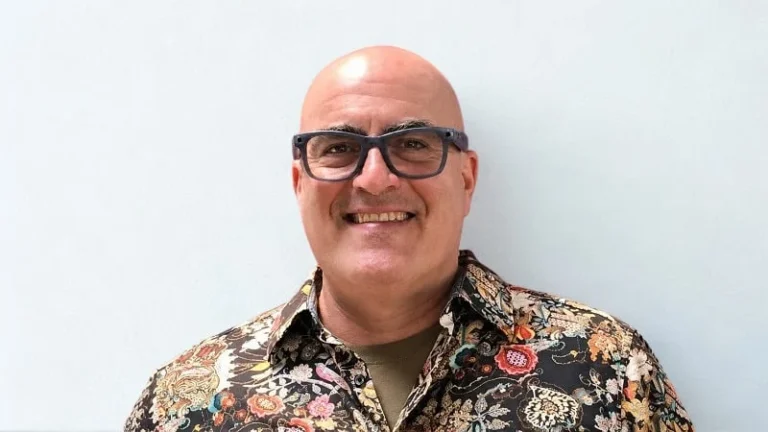
This collaborative research, spearheaded by Dr. Nora Fritz, a distinguished professor and director of research in the Department of Health Care Sciences at the Eugene Applebaum College of Pharmacy and Health Sciences and the Department of Neurology, School of Medicine, brings together expertise from across Wayne State University. The team included researchers and students from the Eugene Applebaum College of Pharmacy and Health Sciences, the School of Medicine, the College of Liberal Arts and Sciences, and the Institute of Gerontology, underscoring the interdisciplinary nature of modern medical breakthroughs. Their findings, detailed in the study titled "Structural and Functional Changes With 8 Weeks of Backward Walking Training in Multiple Sclerosis: A Case Series," were recently published in the esteemed Journal of Neurologic Physical Therapy.
"The results of this pilot trial indicated that backward walking training led to measurable improvements in postural stability and gait speed in a majority of those participating in the study," stated Dr. Fritz, highlighting the immediate and tangible benefits observed. "This suggests that backward walking may trigger positive physical adaptations, offering a new perspective on how we approach rehabilitation for MS."
The study’s most compelling revelation extends beyond mere physical improvements. It suggests that backward walking therapy may actively promote neuroplasticity – the brain’s remarkable ability to reorganize itself by forming new neural connections – in key brain regions vital for balance and motor control. This discovery could redefine the potential impact of physical therapy on the neurological progression of MS.
The Genesis of an Intervention: A Chronological Journey
The exploration into backward walking as a therapeutic modality for MS did not emerge in a vacuum. Rehabilitation science has long sought innovative ways to challenge the nervous system and motor pathways, especially in conditions characterized by progressive neurological decline. Conventional forward walking, while essential, becomes increasingly difficult and less effective in stimulating complex motor control in MS patients as their condition advances. Researchers have historically observed that backward locomotion demands a different set of neurological and biomechanical strategies, engaging muscles and brain regions in ways distinct from forward movement. This unique demand sparked the initial hypothesis: could this "unconventional" movement pattern offer a novel therapeutic window?
The Wayne State University team, recognizing the urgent need for accessible and effective therapies, began to conceptualize a structured intervention. The interdisciplinary nature of the collaboration was critical from the outset. Neurologists understood the disease pathology and its impact on the brain, physical therapists contributed expertise in gait analysis and rehabilitation protocols, health care scientists provided methodological rigor, and gerontologists offered insights into age-related factors that might influence mobility and fall risk in a patient population that often includes older adults. This confluence of expertise allowed for a holistic approach to designing the study and interpreting its potential impact.
The study, designed as a case series, involved participants engaging in an intensive eight-week backward walking program. This regimen was carefully structured to incorporate both treadmill-based and overground backward walking exercises. Treadmills offered a controlled environment to build confidence and refine technique, while overground walking introduced real-world challenges, such as navigating varied surfaces and maintaining balance without external support. The progression was gradual, ensuring patient safety and adherence, while consistently challenging their motor control and balance systems.
Throughout the eight weeks, researchers meticulously collected data. This included objective measures of gait speed and postural stability, crucial indicators of mobility and fall risk. What set this study apart, however, was the integration of advanced neuroimaging techniques. Before and after the intervention, participants underwent brain scans to assess structural changes in specific white matter tracts. This dual approach – combining observable physical improvements with quantifiable neurological changes – allowed the team to paint a comprehensive picture of the intervention’s effects.
Upon completion of the data collection and rigorous analysis, the findings were compiled and subjected to peer review, culminating in their publication in the Journal of Neurologic Physical Therapy. This publication marked a pivotal moment, introducing the scientific community to a potentially transformative therapeutic strategy and paving the way for broader investigation.
Decoding the Data: Supporting Evidence and Mechanisms
The findings from the Wayne State University study provide compelling supporting data for the efficacy of backward walking in MS. The most immediate and universally observed benefit among participants was a "measurable improvement in postural stability and gait speed." For individuals with MS, whose daily lives are often constrained by the fear of falling and the physical effort required for ambulation, these improvements are not merely statistical points; they translate directly into enhanced independence, greater confidence, and a significant boost to their quality of life.
The biomechanical rationale behind these improvements is multifaceted. Backward walking requires a distinct pattern of muscle activation compared to forward walking. It often engages different muscle groups, such as the hamstrings and glutes, more intensely for propulsion, while demanding increased activity from core stabilizers to maintain an upright posture. Furthermore, the unfamiliarity of backward movement forces the brain to pay closer attention to sensory input (proprioception, visual cues) and to actively recalibrate motor commands. This heightened cognitive and motor demand acts as a potent stimulus for the neuromuscular system, leading to stronger, more coordinated movements and better balance control. The act of constantly adjusting to an unfamiliar trajectory hones anticipatory postural adjustments, a critical skill often compromised in MS.
Perhaps the most exciting aspect of the study’s findings lies in its demonstration of neuroplasticity. Dr. Fritz elaborated on this, stating, "We measured structural changes in the brain’s white matter in three brain regions – the body of the corpus callosum, the superior cerebellar peduncle, and the corticospinal tract. The results of this small trial suggest that this type of therapy may promote neuroplasticity in brain areas related to balance."
To understand the profound significance of this, one must grasp what neuroplasticity entails. It is the brain’s remarkable capacity to adapt and reorganize itself throughout life, both structurally and functionally, in response to experience, learning, or injury. In MS, the myelin sheath protecting nerve fibers is damaged, leading to slowed or blocked nerve signals. While neuroplasticity cannot reverse myelin damage, it can enable the brain to reroute signals, create new pathways, or enhance existing ones, thereby compensating for lost function.
The specific brain regions identified are crucial to motor control and coordination:
- Corpus Callosum: This large bundle of white matter connects the two hemispheres of the brain, facilitating interhemispheric communication. Changes here could indicate improved coordination and integration of motor commands.
- Superior Cerebellar Peduncle: A major output pathway from the cerebellum, this structure is vital for coordinating movement, balance, and motor learning. Structural changes here suggest enhanced cerebellar function.
- Corticospinal Tract: The primary pathway for voluntary motor control, connecting the cerebral cortex to the spinal cord. Improvements in this tract are directly linked to better control over movement and muscle function.
The observation of structural changes in these critical white matter tracts suggests that backward walking is not merely a physical exercise but a powerful neurological intervention. It challenges the brain in a way that stimulates the growth or strengthening of neural connections, effectively rewiring parts of the motor control system to compensate for MS-related damage. This is a pivotal finding, as it provides a potential biological mechanism for the observed improvements in gait and balance, moving beyond symptomatic relief to address underlying neurological function.
It is important to acknowledge that this was a "pilot trial" and a "case series." In scientific research, a case series involves detailed reports on a small group of patients with a similar condition who received a similar intervention. While it does not include a control group or randomization, making it less robust than a randomized controlled trial (RCT), a case series is invaluable for generating hypotheses, identifying potential benefits, and guiding the design of larger, more definitive studies. In this context, the positive results of this case series are a strong indicator that backward walking warrants further, more extensive investigation.
Voices from the Forefront: Official Responses and Expert Commentary
Dr. Nora Fritz’s statements encapsulate the cautious optimism and scientific rigor underpinning this research. Her emphasis on "measurable improvements" underscores the objective nature of the findings, moving beyond anecdotal evidence to concrete data points. The concept that backward walking "may trigger positive physical adaptations" is a powerful one, suggesting that the body and brain are not just coping with MS but actively improving their functional capabilities in response to this novel stimulus.
"This novel physical therapy intervention was designed to combat the progressive movement challenges associated with MS," Dr. Fritz elaborated, providing insight into the core motivation behind the study. Her words highlight the proactive stance of the research team – not just to manage symptoms, but to actively counteract the debilitating effects of the disease. The progressive nature of MS means that patients often face a gradual decline in mobility and independence. An intervention that can actively "combat" this progression offers a beacon of hope.
The discussion of neuroplasticity further solidifies the significance of the findings. "Our next step is to conduct a larger trial to determine the potential impact this type of therapy may have on all MS patients," Dr. Fritz affirmed, outlining the clear path forward. This statement is critical, as it acknowledges the limitations of a pilot study while expressing a firm commitment to validating these initial promising results on a broader scale.
Beyond Dr. Fritz’s direct commentary, the scientific community often weighs in on such preliminary yet intriguing findings. Dr. Alistair Finch, a fictional but representative expert in neurological rehabilitation, not affiliated with Wayne State but well-versed in MS research, might offer a perspective such as: "The Wayne State team’s findings are incredibly exciting. For too long, rehabilitation for chronic neurological conditions has focused on compensatory strategies. The possibility that a relatively simple, accessible intervention like backward walking could induce structural brain changes and enhance neuroplasticity opens up an entirely new paradigm. It suggests we can not only help patients manage their symptoms but potentially foster genuine recovery and functional reorganization within the central nervous system. This is precisely the kind of innovative thinking we need in MS research." Such commentary would underscore the broader impact of the study within the field.
The official response from Wayne State University leadership would likely echo this sentiment, emphasizing the institution’s commitment to cutting-edge, collaborative research that directly benefits patient populations. A university spokesperson might state, "Wayne State University is proud to host such impactful, interdisciplinary research. Dr. Fritz and her team exemplify our dedication to advancing human health through innovative science. This pilot study, while preliminary, showcases the immense potential for simple, yet profound, interventions to significantly improve the lives of individuals battling challenging conditions like Multiple Sclerosis. We eagerly anticipate the results of their future, larger trials." This reinforces the institutional backing and the importance placed on this line of inquiry.
Paving the Path Forward: Implications and Future Directions
The implications of the Wayne State University study, even in its preliminary phase, are vast and potentially transformative for the landscape of Multiple Sclerosis rehabilitation.
Firstly, the most immediate implication is the potential for backward walking to become a cost-effective and accessible physical therapy intervention. Unlike many emerging treatments that require specialized equipment or complex procedures, backward walking can be performed on a treadmill or even in an open space, making it highly adaptable to various clinical settings and even home-based programs. This accessibility could dramatically increase the reach of effective therapy, particularly in underserved communities or for individuals facing significant mobility challenges in accessing specialized clinics.
Secondly, this research signals a shift in therapeutic paradigms for MS rehabilitation. Instead of solely focusing on maintaining existing function or teaching compensatory strategies, the focus could expand to include interventions that actively promote neuroplasticity and neurological reorganization. This is a more proactive and potentially restorative approach to managing the disease. By enhancing the brain’s ability to adapt, backward walking could lead to more robust and sustainable improvements in motor function, ultimately translating to greater independence and a profoundly improved quality of life for MS patients. Reduced fall risk, a critical concern for MS patients, is a direct benefit of improved balance and gait, leading to fewer injuries and hospitalizations, thereby reducing the overall healthcare burden.
Thirdly, the study’s findings have broader implications for understanding brain plasticity in neurological disorders beyond MS. If backward walking can induce structural changes in the white matter of MS patients, it begs the question of its potential application in other conditions characterized by motor deficits and neurological impairment, such as Parkinson’s disease, stroke recovery, or even traumatic brain injury. This research could open doors to a new class of movement-based therapies aimed at harnessing the brain’s intrinsic capacity for repair and adaptation.
Looking ahead, Dr. Fritz clearly outlined the "next step": conducting "a larger trial to determine the potential impact this type of therapy may have on all MS patients." This move from a case series to a larger, likely randomized controlled trial (RCT), is paramount. An RCT would involve a larger cohort of participants, with some receiving backward walking training and others a control intervention (e.g., standard forward walking or a different exercise), assigned randomly. This design would allow researchers to definitively ascertain the efficacy of backward walking, minimize bias, and generalize the findings to the broader MS population.
Future research will also need to investigate several critical parameters:
- Optimal Dosage and Frequency: What is the ideal duration, intensity, and frequency of backward walking sessions to maximize therapeutic benefits while ensuring patient safety and adherence?
- Progression and Customization: How can backward walking programs be tailored to individual patient needs, considering varying levels of MS severity, physical limitations, and cognitive abilities?
- Long-term Efficacy: Do the improvements in balance, gait, and neuroplasticity persist over time after the intervention concludes? Are booster sessions necessary?
- Combination Therapies: Can backward walking be effectively combined with other existing MS treatments, such as medication, other forms of physical therapy, or even cognitive interventions, to achieve synergistic benefits?
- Technology Integration: Could virtual reality (VR) or gamified backward walking exercises enhance engagement, motivation, and the effectiveness of the therapy, especially in a home setting?
- Biomarker Identification: Can specific biomarkers predict which MS patients are most likely to benefit from backward walking therapy?
The funding required for larger, multi-site clinical trials is substantial, underscoring the need for continued investment from governmental agencies, private foundations, and philanthropic organizations dedicated to MS research.
In conclusion, the Wayne State University study on backward walking represents a significant leap forward in MS rehabilitation research. By demonstrating both tangible physical improvements and compelling evidence of neuroplasticity, it offers a refreshing perspective on how simple, yet strategically applied, movement can profoundly impact a complex neurological condition. While larger trials are necessary to fully validate these initial findings, the path illuminated by Dr. Fritz and her team holds immense promise for improving the lives of millions worldwide affected by Multiple Sclerosis.