










Contributing Author: Rob Malone
Victoria “Vicky” Ann Michelis lived her life with an uncompromising moral compass. She was a woman defined not by the obstacles she faced, but by the tenacity with which she championed the underdog and the fierce, protective love she held for those in her orbit. Today, her spirit continues to influence the world through the Victoria Ann Michelis Fund, a philanthropic engine dedicated to the causes that defined her—most notably, the pursuit of groundbreaking cancer research that offers hope where conventional medicine has stalled.
The Reality of Ovarian Cancer: A Silent Crisis
To understand the gravity of the mission undertaken by the Victoria Ann Michelis Fund, one must first confront the sobering reality of the disease that took her life. Ovarian cancer remains one of the most lethal malignancies affecting women globally.
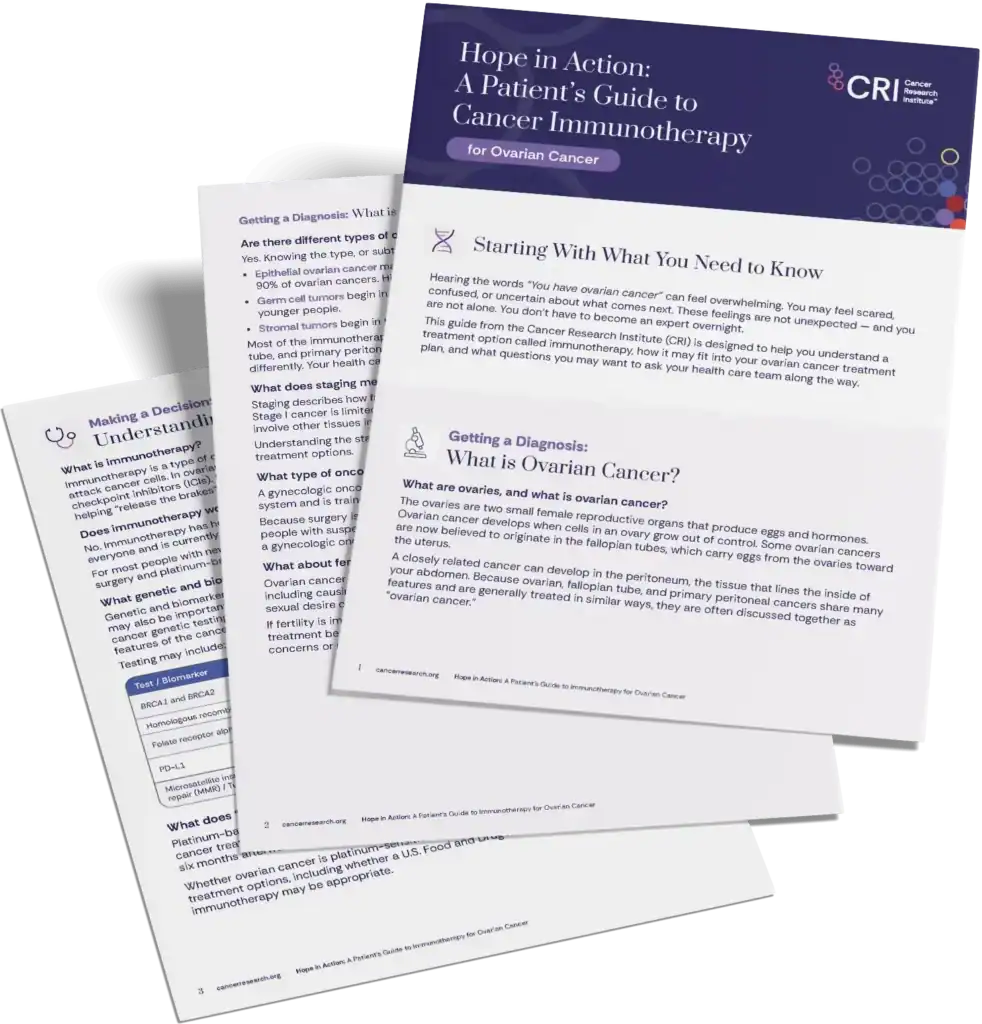
The ovaries, vital reproductive organs responsible for the production of eggs and hormones, can become the site of rapid, uncontrolled cellular growth. Modern oncology has shifted its understanding of this disease; researchers now believe that a significant portion of what we categorize as "ovarian cancer" actually originates in the fallopian tubes or the peritoneum—the delicate tissue lining the abdominal cavity.

The statistics are harrowing. In 2024, approximately 331,000 women were diagnosed with ovarian cancer worldwide, with more than 200,000 succumbing to the disease. Within the United States alone, projections for 2026 estimate 21,010 new diagnoses and 12,450 deaths. These figures underscore a critical need for innovation, as standard-of-care treatments often fail to provide durable responses for patients with advanced or recurrent disease.
A Life Defined by Tenacity
Vicky Michelis was a woman of substance. Those who knew her describe a personality characterized by a lack of patience for self-importance and a profound empathy for those struggling against the current. "If you were a bigwig and too impressed with yourself, she had very little regard for you," recalls her close friend, Rob Malone. "But if you were a small person who was struggling, she was all about you."
This instinct to stand in the corner of the vulnerable became the defining thread of her life. When she was diagnosed with small cell carcinoma of the ovary, hypercalcemic type—a rare and exceptionally aggressive malignancy—her response was not to retreat, but to mobilize.
The Chronology of a Fight
- The Onset: Vicky began experiencing symptoms of hypercalcemia, an elevated level of calcium in the blood often associated with specific aggressive tumors.
- The Diagnosis: Following the diagnosis, Vicky transitioned into a role she knew well: the advocate. She approached her treatment with the clinical objectivity of a researcher, meticulously investigating her options and demanding the best possible care.
- The Temporary Victory: After years of grueling chemotherapy and surgical intervention, Vicky entered remission. She and her inner circle celebrated what they believed was a hard-won victory.
- The Advocacy Phase: Recognizing the diagnostic challenges inherent in ovarian cancer—symptoms are notoriously subtle and often dismissed as benign—Vicky launched a small nonprofit. Her goal was clear: to educate others and shorten the time between symptom onset and diagnosis.
- The Recurrence: In 2017, the cancer returned. Despite her exhaustion and the physical toll of increasingly aggressive, experimental treatments, she refused to surrender her autonomy. She passed away in 2020, leaving behind a roadmap for others to follow.
Supporting the Vanguard: The Victoria Ann Michelis Fund
Vicky’s estate was entrusted to Rob Malone with a clear directive: to turn her assets into a force for good. The resulting Victoria Ann Michelis Fund has become a vital benefactor for underserved populations, animal welfare, and, pivotally, the Cancer Research Institute (CRI).

Rob Malone explains that the decision to partner with the CRI was rooted in Vicky’s own frustrations with the medical system. "Vicky was frustrated that she kept being put down the same old chemotherapy paths for treatment," Malone notes. "She wanted something innovative. She wanted to know why there wasn’t a different way."
Targeted Scientific Impact
The Fund’s support is not merely financial; it is strategic. By backing the CRI, the Fund is accelerating high-risk, high-reward research that traditional funding bodies might overlook.
One primary beneficiary of this support is Dr. Hyung Jun Kim, a CRI Irvington Postdoctoral Fellow. Dr. Kim’s research is currently focused on the reengineering of macrophages—white blood cells that act as the immune system’s first responders. In the context of solid tumors, such as ovarian cancer, these macrophages are often "co-opted" by the tumor, creating an environment that suppresses the immune system and shields the cancer from attack. Dr. Kim is working to flip this dynamic, teaching these cells to infiltrate the tumor microenvironment and effectively dismantle it.
Furthermore, the Fund has committed to the CRI Discovery Engine. This initiative represents a paradigm shift in how oncological data is managed. By generating standardized, AI-ready datasets, the Discovery Engine allows researchers across the globe to compare findings in real-time, identifying patterns that were previously invisible. For ovarian cancer patients, this means faster development of immunotherapy treatments and a more precise understanding of how to combat treatment resistance.

Implications for the Future of Oncology
The story of Vicky Michelis serves as a catalyst for a broader discussion about the future of cancer care. The current standard of care for ovarian cancer is often limited, relying on cycles of chemotherapy that eventually reach a point of diminishing returns.
The work being funded by the Victoria Ann Michelis Fund points toward a different horizon—one where immunotherapy, personalized to the unique genetic signature of a patient’s tumor, becomes the standard rather than the exception. By focusing on the "underdog" of cancer research—the rare, the aggressive, and the difficult-to-treat—the Fund is creating a legacy that transcends the individual.
A Legacy Beyond Mortality
Vicky did not want to be remembered for her cancer; she wanted to be remembered for her humanity. The Victoria Ann Michelis Fund ensures that this is exactly what happens. It is a living, breathing testament to her belief that one should never remain silent in the face of injustice—whether that injustice is a systemic failure to support the needy or a medical establishment that lacks the courage to innovate.
As we look toward the future, the research funded in her name offers more than just scientific data. It offers time. It offers the possibility that the next woman diagnosed with an aggressive ovarian tumor will have more than just "the same old chemotherapy paths" to follow.
The legacy of Victoria Ann Michelis is a challenge to us all: to look at the systems that fail us and decide, as she did, that we have the power to change them. Through the continued support of rigorous, innovative research, her influence will continue to reach those she never met, providing them with the one thing she fought so hard for: a fighting chance.
Help Advance Cancer Research
The fight against ovarian cancer requires sustained investment in bold, innovative ideas. To learn how you can contribute to the search for new treatment options and help ensure that more patients have the opportunity for a future, please explore the ongoing initiatives at the Cancer Research Institute. Your support, like that of the Victoria Ann Michelis Fund, is the bridge between current limitations and tomorrow’s cures.