





WASHINGTON — After a year of institutional silence that left the landscape of American preventive health care in a state of suspended animation, the U.S. Preventive Services Task Force (USPSTF) is set to resume its operations this week. This meeting, however, carries a weight far heavier than previous bureaucratic gatherings. It marks the first session of a panel fundamentally reshaped by Health and Human Services Secretary Robert F. Kennedy Jr., signaling a potential shift in the federal government’s approach to public health guidance.
The task force, a volunteer panel of national experts in prevention and evidence-based medicine, is tasked with the critical role of issuing recommendations that mandate insurance coverage for a wide array of screenings and interventions. With its membership overhauled, the group returns to a backlog of pressing health issues, ranging from cancer screenings to mental health assessments.
The Main Facts: A Return to Work Amidst Institutional Change
The USPSTF holds a unique and powerful position in the American healthcare system. Under the Affordable Care Act (ACA), private insurance plans are generally required to cover, without cost-sharing, any preventive service that receives an “A” or “B” grade from the task force. This mandate has historically ensured that millions of Americans have access to vital screenings for conditions like high blood pressure, diabetes, and various forms of cancer.
The meeting scheduled for this week is the first in more than 12 months. Last year, Secretary Kennedy took the controversial step of cancelling the panel’s scheduled meetings, effectively freezing the update process for several clinical guidelines. Now, with a new cohort of appointees, the task force is tasked with addressing urgent updates that have languished for years.
The agenda is packed with high-stakes topics:
- Cervical Cancer Screening: Guidelines that have remained stagnant for over five years.
- Perinatal Depression: Addressing maternal mental health with updated evidence.
- Unhealthy Alcohol Use: Refining screening protocols for both teens and adults.
In addition to finalizing these delayed recommendations, the panel will pivot to new territory, including an “evidence presentation on healthy lifestyles to prevent cardiovascular disease in adults” and expert briefings on colorectal cancer, lung cancer, and chronic kidney disease.
Chronology: The Road to the Freeze and the Rebirth
To understand the current tension, one must look at the timeline of the last 18 months.
Early 2023: The USPSTF was operating under its traditional mandate, working on periodic updates to ensure guidelines reflected the latest clinical evidence.
Mid-2023: As the political climate surrounding federal health agencies shifted, the task force began to face increased scrutiny regarding its methodology and its influence on private insurance mandates.
Late 2023: Secretary Robert F. Kennedy Jr. initiated a series of administrative pauses. Citing a need for “institutional re-evaluation,” he cancelled the task force’s meetings. For the medical community, this was a period of profound uncertainty, as public health experts worried that the delay in updating guidelines would result in outdated care being delivered to patients.
Early 2024: The overhaul began in earnest. Secretary Kennedy appointed new members to the task force, moving to diversify the ideological and clinical perspectives represented on the panel.
Current Week: The task force reconvenes. The return is not merely a resumption of work, but a debut for a panel whose composition reflects the priorities of the current administration.

Supporting Data: Why the Delays Matter
The stakes for these recommendations are measured in both lives and dollars. When a service is graded an “A” or “B,” it is effectively codified into the standard of care for the U.S. insurance market.
The Backlog of Evidence
The three areas currently awaiting finalization—cervical cancer, perinatal depression, and alcohol use—have not been updated since at least 2019. In the field of oncology and behavioral health, five years is a lifetime. For example, in cervical cancer screening, the evolution of HPV testing and self-sampling technologies has significantly changed how clinicians approach early detection. Without an updated recommendation, insurance coverage policies may be tethered to outdated methodologies, leaving patients and providers in a legal and clinical gray area.
Cardiovascular Disease: The New Frontier
The inclusion of an “evidence presentation on healthy lifestyles to prevent cardiovascular disease” marks a potential shift toward prioritizing non-pharmacological interventions. Cardiovascular disease remains the leading cause of death in the United States. While the task force has traditionally focused on clinical screenings (e.g., blood pressure, cholesterol), a focus on “healthy lifestyles”—which may include nutrition, exercise, and sleep hygiene—signals a broader public health philosophy favored by the current HHS leadership.
Official Responses and Internal Dynamics
The Agency for Healthcare Research and Quality (AHRQ), which provides the administrative support for the task force, confirmed the meeting through a formal notice issued on Wednesday. While the agency has remained tight-lipped regarding the internal deliberations of the task force’s new members, the shift in leadership is clear.
Secretary Kennedy’s supporters argue that the USPSTF had become too insular, relying on a narrow set of criteria that favored pharmaceutical-based interventions over systemic or lifestyle-based health improvements. By diversifying the membership, the administration aims to ensure that the task force considers the "whole person" rather than just isolated clinical markers.
Critics, however, fear that the politicalization of the task force could undermine its scientific rigor. The USPSTF has long been regarded as the "gold standard" of evidence-based medicine, precisely because its recommendations are driven by rigorous, systematic reviews of the literature. There is a palpable anxiety among medical professional societies that the new, politically appointed members may prioritize ideological goals over the clinical data.
Implications: The Future of Preventive Care in America
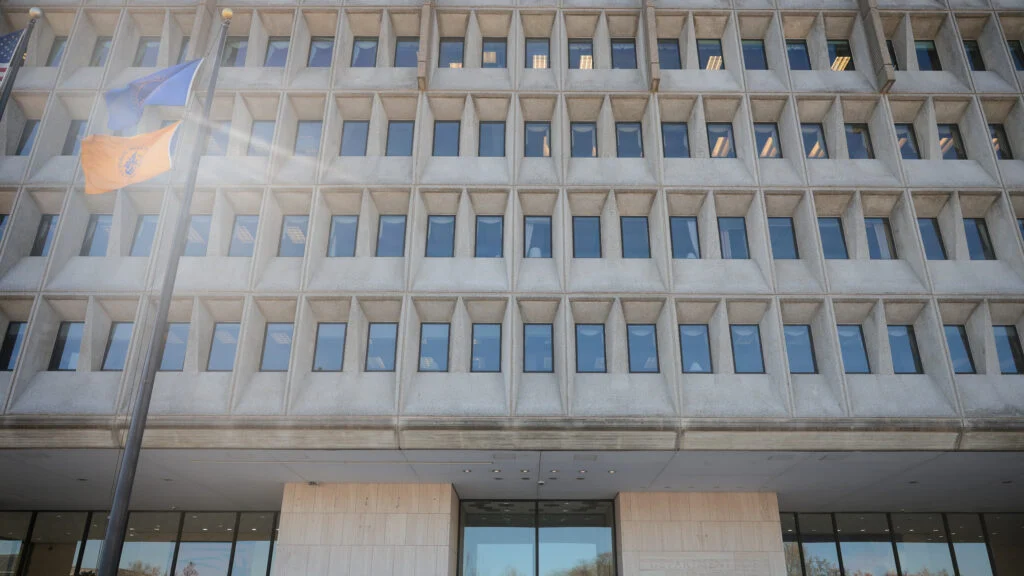
The implications of this week’s meeting will be felt far beyond the walls of the HHS headquarters.
For the Insurance Industry
Private insurers rely on the USPSTF grades to define their essential health benefits. If the new task force changes the criteria for what constitutes a “preventive” service, it could ripple through insurance premiums and plan structures. If the panel moves away from recommending certain expensive screenings in favor of lower-cost lifestyle interventions, insurers may eventually seek to adjust their coverage mandates, leading to potential legal challenges regarding what constitutes “essential” coverage under the ACA.
For Clinical Practice
Physicians are the ones who ultimately implement these guidelines. If the task force’s recommendations become subject to the winds of political change, clinicians may find it difficult to maintain a consistent standard of care. The medical community will be watching the upcoming recommendations for signs of "evidence-based continuity." If the new panel deviates sharply from established international guidelines, it could lead to fragmented care and confusion among primary care providers.
The Broader Public Health Landscape
The most significant long-term implication is the potential transformation of the "preventive" definition itself. If the task force moves toward a more holistic view of health, it could legitimize and incentivize coverage for nutrition counseling, stress reduction, and environmental health screenings. Conversely, if the focus on preventive screenings for chronic diseases is diluted, the country could see a drop in early detection rates for conditions like colorectal and lung cancer, which are highly treatable when caught early.
As the panel sits down this week, the eyes of the healthcare world are fixed on Washington. The task force is no longer just a committee of experts; it is a battleground for the future of federal health policy. Whether this new iteration of the USPSTF can maintain its reputation for scientific excellence while navigating the administration’s ambitious agenda remains the central question of the year in American health policy.
The coming months will provide the answer, as the first set of finalized recommendations emerges from this newly minted panel, setting the tone for the next chapter of the nation’s preventive care strategy.