











By Ian Ingram, Managing Editor, MedPage Today
August 25, 2026
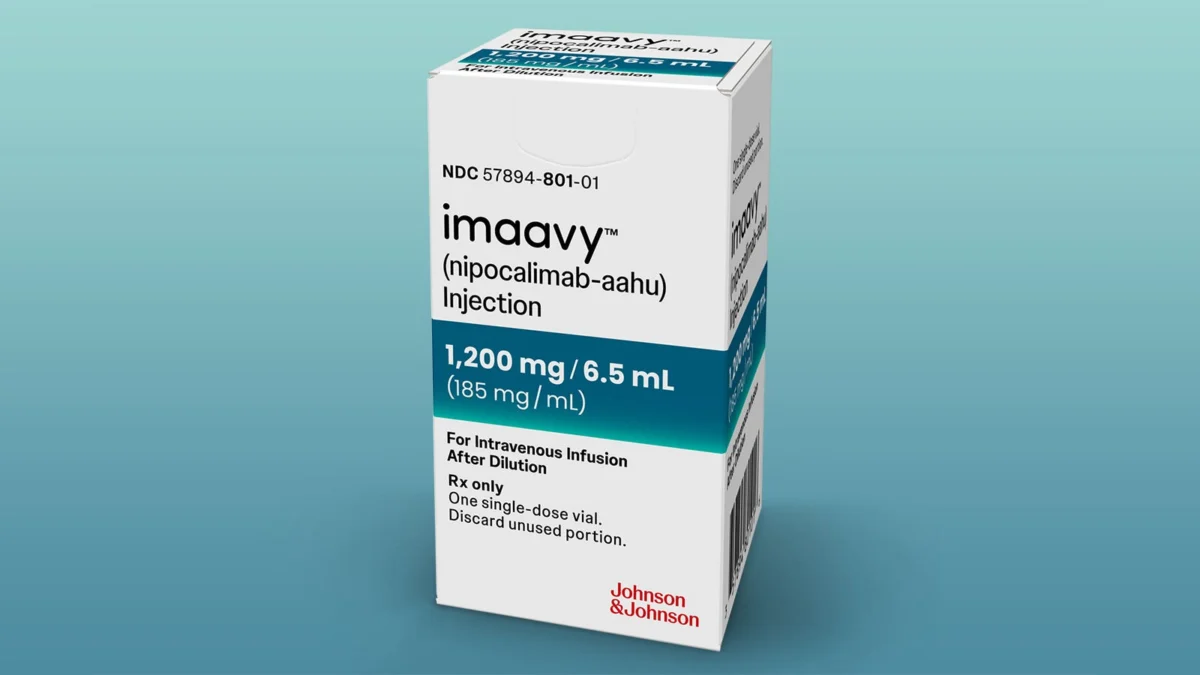
In a landmark decision for hematology, the U.S. Food and Drug Administration (FDA) has officially approved nipocalimab (marketed as Imaavy) for the treatment of warm autoimmune hemolytic anemia (wAIHA). This approval represents a significant departure from decades of reliance on non-specific immunosuppression, marking the first time a therapy specifically designed to target the underlying pathophysiology of wAIHA has been cleared for clinical use.
The approval covers adult and pediatric patients aged 12 years and older who have either failed or are currently receiving corticosteroid therapy. By utilizing a novel mechanism of action—the inhibition of the neonatal Fc receptor (FcRn)—nipocalimab offers a more precise approach to managing a disease that has historically been fraught with morbidity and limited therapeutic options.
The Clinical Landscape: Understanding wAIHA
Warm autoimmune hemolytic anemia is the most prevalent form of autoimmune hemolytic anemia. It is characterized by the immune system mistakenly identifying a patient’s own red blood cells as foreign invaders. Specifically, the body produces immunoglobulin G (IgG) autoantibodies that bind to the surface of these red blood cells, tagging them for destruction by the spleen and other parts of the reticuloendothelial system.
Unlike cold agglutinin disease, where hemolysis is triggered by cooler temperatures, the hemolysis in wAIHA occurs at or above body temperature, leading to a relentless cycle of anemia. For years, the standard of care has been limited to corticosteroids and broad-spectrum immunosuppressants. While these treatments can dampen the immune response, they do so crudely, often leaving patients vulnerable to a wide array of opportunistic infections, metabolic complications, and systemic toxicity. Furthermore, these therapies often fail to achieve durable remission, leaving many patients trapped in a cycle of relapse and chronic fatigue.
The introduction of nipocalimab shifts the focus. As an immunoselective FcRn blocker, the drug works by binding to the neonatal Fc receptor, which is responsible for recycling IgG antibodies back into circulation. By blocking this receptor, nipocalimab facilitates the degradation of pathogenic IgG autoantibodies while—crucially—preserving B-cell function and other essential immune pathways.
Chronology of a Breakthrough
The journey to this approval was marked by years of rigorous clinical investigation and a paradigm shift in how hematologists approach autoimmune conditions.
- The Pre-Clinical Foundation: Researchers spent years identifying the role of FcRn in the persistence of autoimmune antibodies. By targeting this pathway, developers hypothesized that they could "clear" the bloodstream of the specific antibodies causing hemolysis without compromising the patient’s entire immune system.
- The ENERGY Trial Launch: The clinical development program culminated in the phase II/III ENERGY trial (NCT04119050). This study was designed to evaluate the efficacy and safety of nipocalimab in patients with confirmed wAIHA who had hemoglobin levels below 10 g/dL and evidence of ongoing hemolysis.
- Expansion to Other Indications: Notably, nipocalimab’s approval for wAIHA follows its successful regulatory clearance for generalized myasthenia gravis (gMG) last year. This earlier approval provided the FDA with a robust data set regarding the drug’s safety profile and mechanism of action, accelerating the review process for its hematological application.
- The Regulatory Milestone (August 2026): After reviewing the phase II/III data, the FDA granted approval for the drug, recognizing its potential to change the treatment landscape for a population that previously had no disease-specific therapies.
Supporting Data: The ENERGY Trial Results
The approval of nipocalimab was predicated on the positive outcomes observed in the ENERGY trial. Investigators enrolled a diverse cohort of patients, allowing them to remain on background medications, which provided a realistic assessment of how the drug performs in clinical practice.
The primary endpoint of the study was a "durable hemoglobin response." At 24 weeks, the results were statistically significant:
- Response Rates: Patients receiving 30 mg/kg of nipocalimab intravenously every four weeks showed a 24% durable response rate, compared to just 8% in the placebo group.
- Defining Success: A "durable response" was strictly defined as achieving a hemoglobin concentration of at least 10 g/dL, combined with an increase of 2 g/dL or more from baseline, sustained for a minimum of 28 consecutive days.
- Quality of Life: Beyond mere laboratory markers, the study noted improvements in patient-reported fatigue. Given that chronic fatigue is a hallmark symptom of wAIHA that often forces patients to withdraw from professional and social activities, these findings carry significant weight for long-term patient wellbeing.
The safety profile, while requiring vigilance, was consistent with previous trials. Common adverse events reported in at least 10% of participants included peripheral edema, diarrhea, and pyrexia. Clinicians are advised to monitor patients for potential risks, including hypersensitivity, infusion-related reactions, and an increased susceptibility to certain infections.
Official Responses and Perspectives
The medical community has greeted the news with cautious optimism, viewing it as the start of a new era for hematology.
"The phase II/III ENERGY study demonstrates that targeting pathogenic IgG can meaningfully change the treatment paradigm for wAIHA," stated David Kuter, MD, DPhil, of Harvard Medical School. "For patients, this approval means that they now have a therapy with a proven safety profile that targets the disease-driving autoantibodies in wAIHA."
From the perspective of Johnson & Johnson, the manufacturer, the approval represents a strategic investment in targeted immunology. By focusing on the underlying biology of antibody-mediated diseases rather than broad immune suppression, the company aims to position nipocalimab as a cornerstone therapy for a variety of autoimmune conditions.
Patient advocacy groups have also lauded the decision. For those living with wAIHA, the "warm" label is often accompanied by a sense of isolation, as their condition is less understood than other hemolytic anemias. Having a labeled, FDA-approved treatment provides not just a medical tool, but a sense of validation for a community that has spent years managing their disease with blunt-force medications.
Implications: A Shift in the Treatment Paradigm
The approval of nipocalimab carries profound implications for both hematologists and patients.
1. Moving Away from Chronic Steroids
For decades, the "tapering" of prednisone has been a standard but dreaded part of wAIHA management. Long-term steroid use carries the risk of osteoporosis, weight gain, mood disorders, and diabetes. Nipocalimab offers the possibility of reducing or even eliminating the need for these systemic agents, potentially sparing patients from their long-term side effects.
2. The Rise of Precision Immunology
Nipocalimab is part of a broader trend toward "precision immunology." By targeting FcRn, doctors can selectively prune the immune system’s repertoire of harmful antibodies while leaving the immune system’s ability to fight off routine bacterial or viral infections largely intact. This selectivity is the "holy grail" of autoimmune treatment.
3. Economic and Practical Considerations
While the clinical benefits are clear, the introduction of a new biologic therapy always raises questions regarding accessibility and cost. The intravenous delivery (every 4 weeks) will require infusion infrastructure, which may be more accessible in academic centers than in smaller rural practices. Furthermore, the healthcare system will need to evaluate the cost-effectiveness of this therapy against the long-term costs of managing steroid-related complications in wAIHA patients.
4. Future Directions
The approval for wAIHA is likely not the end of the line for nipocalimab. With its mechanism proven to lower IgG levels effectively, researchers are already looking toward other IgG-mediated conditions. The success of the ENERGY trial provides a roadmap for future studies, potentially opening doors for treating other rare autoimmune blood disorders where the underlying pathology is driven by autoantibody formation.
Conclusion
The FDA’s approval of nipocalimab for warm autoimmune hemolytic anemia is more than just a regulatory box-checking exercise; it is a fundamental shift in how we treat a complex, life-altering disease. By moving from non-specific suppression to targeted antibody degradation, the medical field has demonstrated a commitment to improving both the clinical outcomes and the quality of life for patients. As the drug enters the clinical market, the focus will now shift to real-world evidence, long-term monitoring, and ensuring that this innovative therapy reaches the patients who stand to benefit the most.