In a discovery that could redefine the landscape of cardiovascular medicine, researchers at UT Southwestern Medical Center have identified a critical protein that functions as a master regulator of cholesterol transport. By modulating how the liver releases lipid-carrying particles into the bloodstream, this protein—HELZ2—offers a promising new frontier for treating heart disease and metabolic disorders.
The findings, published in the peer-reviewed journal Circulation, suggest that the medical community may soon have access to a “molecular lever” capable of fine-tuning the body’s cholesterol levels at the genetic instruction stage, potentially offering a robust alternative or supplement to current pharmacological standards like statins.
The Mechanism: Controlling Cholesterol at the Source
At the heart of the discovery is the protein HELZ2. To understand its significance, one must first understand the process of lipid metabolism. The liver acts as the body’s primary factory for producing lipoproteins—complex particles that ferry cholesterol and triglycerides through the bloodstream. A key component of these particles is the apoB protein, which is encoded by the APOB gene.
While traditional cholesterol-lowering therapies, most notably statins, focus on inhibiting the production of cholesterol after it has already begun or managing its clearance from the blood, the UT Southwestern team has identified a mechanism that intervenes much earlier in the biological pipeline.
HELZ2 operates by regulating the lifespan of APOB messenger RNA (mRNA). mRNA acts as the courier for genetic instructions, telling the cell’s protein-making machinery exactly what to build. The research revealed that HELZ2 binds to APOB mRNA and accelerates its degradation. When HELZ2 activity is elevated, the "message" is destroyed before it can be fully translated into apoB proteins. Consequently, fewer lipoproteins are assembled and secreted by the liver, leading to a direct reduction in the cholesterol circulating in the patient’s blood.
Chronology of Discovery: From Genetic Screening to Breakthrough
The road to this discovery began with a large-scale genetic screening initiative led by Nobel laureate Dr. Bruce Beutler, Director of the Center for the Genetics of Host Defense at UT Southwestern. Dr. Beutler, whose 2011 Nobel Prize recognized his groundbreaking work on immune system receptors, utilized advanced genetic modeling to investigate metabolic anomalies in mice.
The research team observed an unusual phenomenon: a specific group of mice exhibited significantly lower levels of LDL cholesterol and triglycerides in their bloodstream but displayed an unexpected, secondary trait—a marked increase in fat accumulation within the liver.
Upon investigation, the scientists identified a gain-of-function mutation that resulted in hyperactive HELZ2. This mutation was the catalyst for the destabilization of APOB mRNA. By isolating this specific genetic change, the team was able to map the precise biochemical pathway that linked HELZ2 activity to both blood cholesterol reduction and hepatic fat storage. This shift from observing a symptom (liver fat) to identifying the mechanism (HELZ2 activity) marked a turning point in the study.
Supporting Data: The Delicate Balance of Lipid Metabolism
The data derived from the mouse models suggests a complex, "seesaw" relationship between the liver and the vascular system. The study highlights that HELZ2 acts as a metabolic dial:
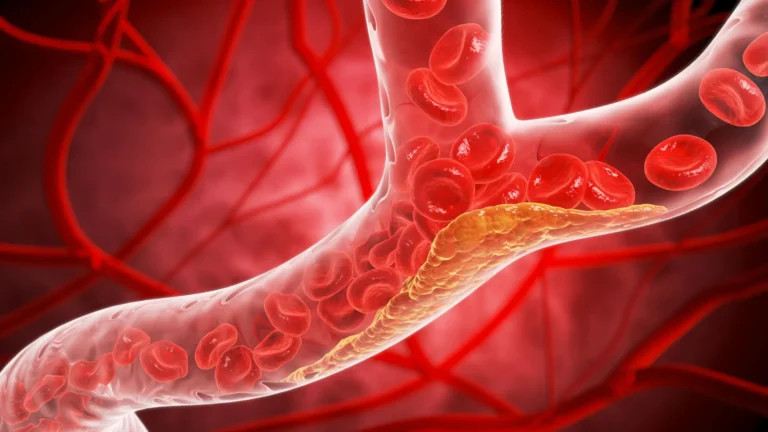
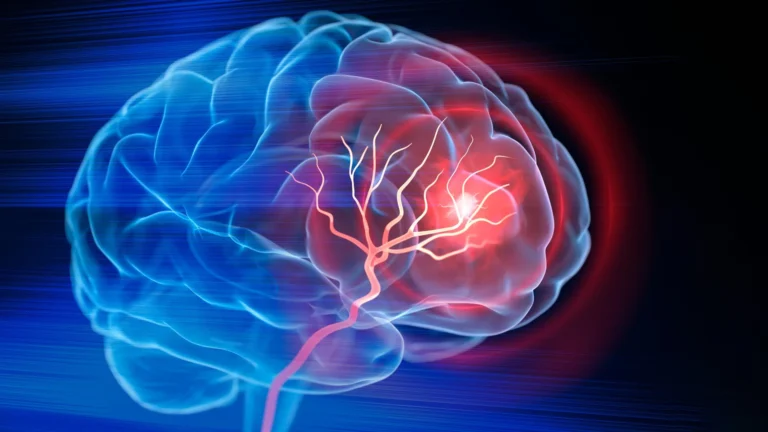
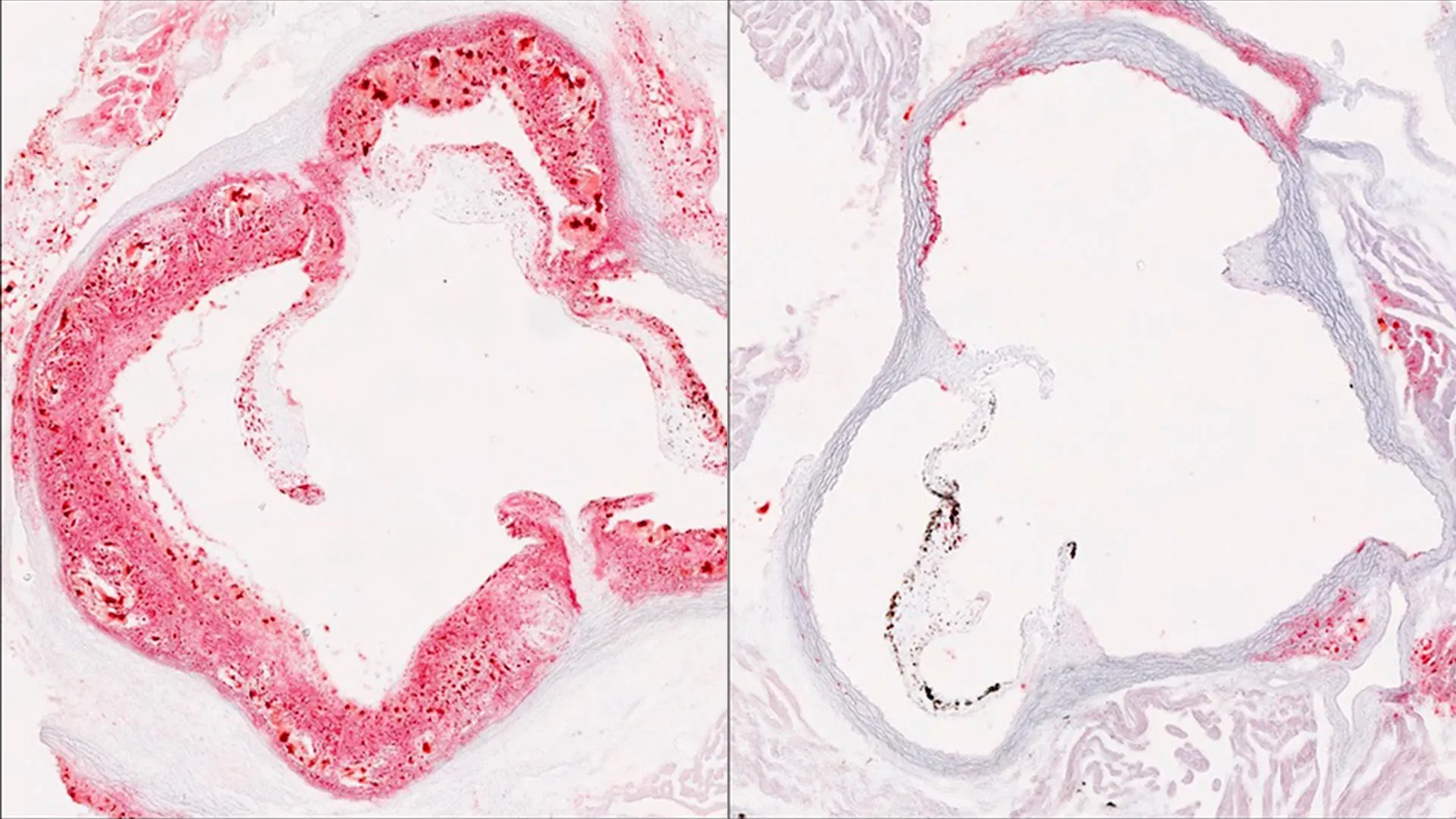
- The "Up" Position: When HELZ2 activity is increased, the liver produces fewer lipoproteins. This results in significantly lower LDL cholesterol levels and a reduced risk of atherosclerosis—the hardening and narrowing of arteries that serves as the primary precursor to heart attacks and strokes. However, the trade-off is an increased risk of fatty liver disease, as lipids that are not transported out of the liver remain stored in the organ.
- The "Down" Position: Conversely, reducing HELZ2 activity encourages the liver to release more lipoproteins into the blood, effectively clearing fat from the liver but simultaneously spiking the levels of circulating cholesterol.
This "dial" effect is central to the potential therapeutic application of the discovery. Dr. Zhao Zhang, the study’s senior author and Assistant Professor at UT Southwestern, emphasizes that this balance is not a drawback but rather a key feature for future drug development. "We can think of HELZ2 as a kind of dial between the liver and the bloodstream," Dr. Zhang explained. "That balance makes HELZ2 especially interesting as a potential therapeutic target."
Official Responses and Scientific Perspective
The researchers believe that the ability to influence protein production at the RNA level represents a paradigm shift in metabolic research. "Most previous research focused on what happens to apoB after it’s already made," noted Dr. Yiao Jiang, a postdoctoral researcher in the Zhang Lab and co-author of the study. "What surprised us is that HELZ2 acts much earlier, by controlling how long the apoB ‘message’ survives before the protein is even produced."
The medical community has taken note of the precision offered by this mechanism. By targeting the mRNA, scientists hope to avoid the "off-target" effects that can sometimes accompany broad-spectrum enzyme inhibitors.
Dr. Bruce Beutler, whose expertise in immunology and genetics was instrumental in the study’s success, has long championed the use of genetic screening to unlock hidden physiological pathways. The inclusion of his methodology allowed the team to pinpoint HELZ2 among thousands of potential genetic candidates, validating the importance of systematic, high-throughput genetic research in solving complex metabolic puzzles.
Implications: A New Era for Cardiovascular and Metabolic Health
The implications of this discovery are twofold. First, it provides a brand-new target for the development of heart disease medications. As the global burden of cardiovascular disease continues to rise, the limitations of statins—which can cause muscle pain or liver enzyme elevation in some patients—have created a clear market and clinical need for alternative pathways.
Second, the discovery offers a potential strategy for managing Non-Alcoholic Fatty Liver Disease (NAFLD). Because the "dial" works both ways, researchers believe that by fine-tuning the activity of HELZ2, they might be able to find a "sweet spot" where cholesterol levels are safely reduced without causing dangerous fat accumulation in the liver.
Future Research Directions
The path from discovery to clinical implementation is rigorous. The UT Southwestern team is already looking toward the next phases of research, which will include:
- Small Molecule Development: Seeking chemical compounds that can safely mimic or inhibit HELZ2 activity in humans.
- Dosage Optimization: Determining if intermittent or low-level modulation of the protein can maintain a healthy equilibrium between liver health and vascular cholesterol levels.
- Human Clinical Trials: Validating the mechanism in human subjects to ensure that the regulatory pathway functions similarly to the models observed in the lab.
"The idea that we can control apoB at the RNA level represents a major shift in how we think about cholesterol regulation," Dr. Zhang stated. "It gives us a new molecular lever—and potentially a new set of tools—for tackling these conditions."
Conclusion: Beyond Statins
As science moves further into the age of precision medicine, discoveries like the HELZ2 regulator provide hope that we can move beyond "one-size-fits-all" treatments. By focusing on the RNA-level instructions that dictate how the body processes fats, researchers at UT Southwestern have opened a window into a more nuanced understanding of human metabolism.
While the journey toward a clinical drug is still in its early stages, the identification of this genetic control point offers a profound opportunity to address two of the most pressing health challenges of the 21st century: the prevention of heart disease and the management of metabolic liver dysfunction. With further investigation, HELZ2 may well prove to be the key that unlocks a new generation of life-saving therapies.
This research was supported by grants from the National Institute of Diabetes and Digestive and Kidney Diseases of the National Institutes of Health (R00DK115766 and R01DK130959).