


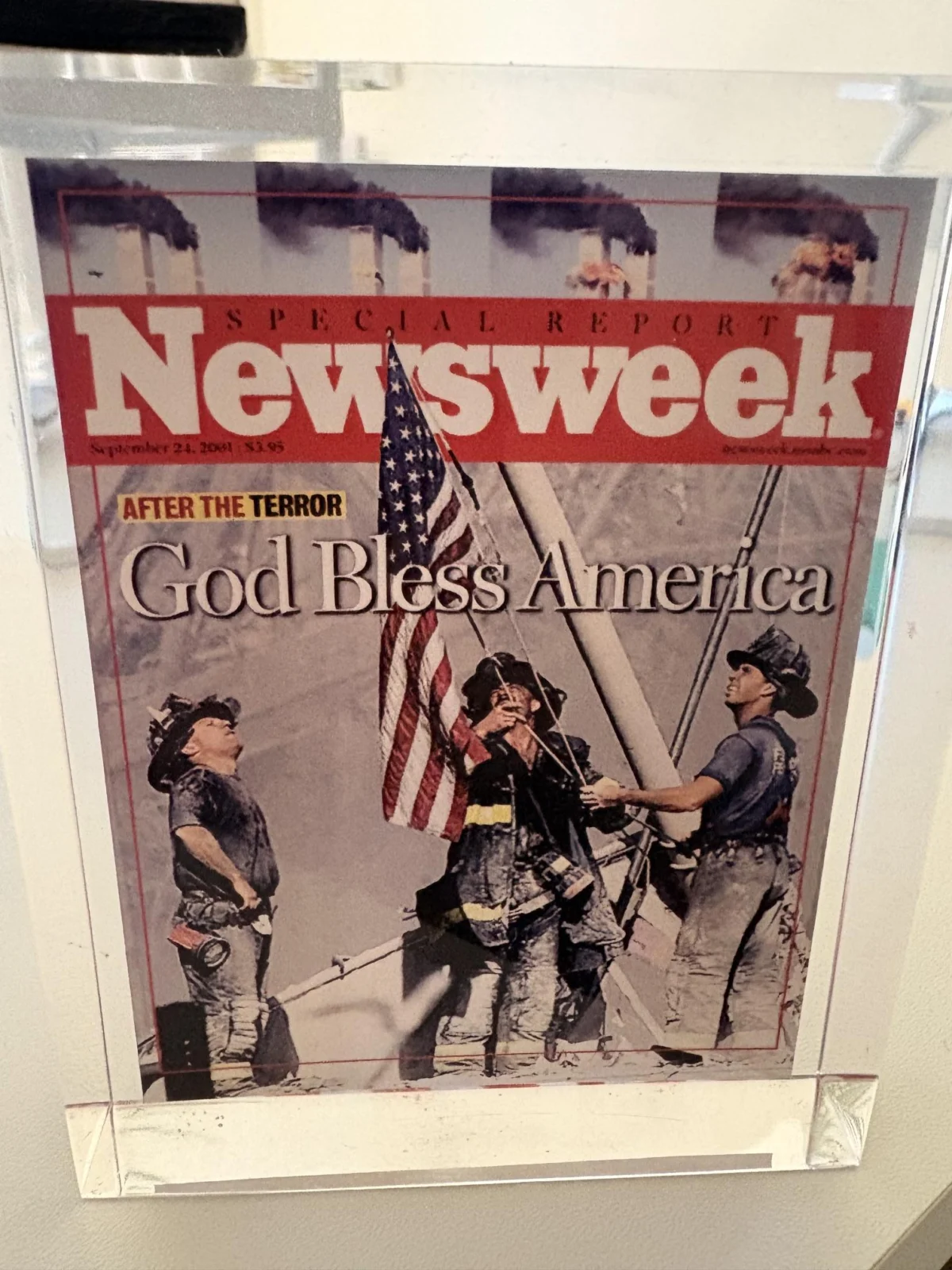
It is difficult to reconcile the passage of time with the raw, visceral memories of September 11, 2001. Twenty-five years have elapsed since that day of infamy—a span long enough for a generation of Americans to reach adulthood without personal recollection of the morning the world changed. Today, I work alongside colleagues who were not yet born or were merely toddlers when the sky over Manhattan turned to ash. As we mark this 25th anniversary, it becomes a moral imperative to ensure that the tragedy is not relegated to a footnote in a textbook. We must remember not only for the sake of the victims but to remain vigilant against the enduring threats that seek to dismantle our way of life.
The Morning the World Changed: A Chronology of Horror
For those who lived through it, the memory is burned into the consciousness with the clarity of a high-definition photograph. Everyone remembers exactly where they were, who they were with, and the precise moment the realization set in that the United States was under a coordinated, unprecedented attack.
I was in Chicago, part of a Canon advance team preparing for an annual sales conference. We were a group of professionals accustomed to the rigor of corporate events, balanced by the camaraderie of evening dinners and the energy of a bustling city. September 11, 2001, began like any other Tuesday. I walked to a nearby Starbucks, only to find the patrons gathered in a deathly, silent huddle around a television. The North Tower of the World Trade Center was billowing smoke. The initial reports were frantic and confused, with news outlets speculating about a tragic aviation accident. I remember the tactile reality of that moment: hugging baristas and strangers, a spontaneous outpouring of human empathy born from the sudden, jarring emergence of collective terror.

The situation deteriorated with a speed that defied logic. By the time I returned to my hotel, my colleagues were gathered in the Vice President of Sales’ suite. The mood had shifted from confusion to an existential dread. One of my co-workers, whose fiancé was working in the South Tower, watched in real-time as the second plane struck. I can still feel the "gut-punch" of that moment—the transition from hope to irreversible grief as we realized he was inside that inferno. Minutes later, the collapse of the South Tower sent a plume of dust and debris into the air, and with it, the dreams of thousands of families were vaporized. The guttural, primal cries of my colleague—the sound of a future being erased—remain etched in my mind as clearly as if it happened this morning.
The Aftermath and the Race Home
In the hours that followed, the paralysis of the nation was absolute. With the FAA grounding all flights, the reality of being stranded set in. Communication lines were overwhelmed; cell towers and landlines were largely useless. After 30 minutes of desperate attempts, I finally reached my sister-in-law. I knew I had to get home to Southern California, and I was prepared to drive—or even walk—the distance if necessary.
While some colleagues chose to wait for air travel to resume, I and another co-worker made a pragmatic decision. We rented a car, stocked up on water, Diet Coke, and snacks, and hit the road. It was a two-and-a-half-day odyssey along Route 66. The highway was a surreal landscape of quiet uncertainty. When we finally arrived home, we had beaten the colleagues who waited for the airports to reopen, underscoring the sense of instability that had gripped the nation.

As the days turned into weeks, the personal toll became clearer. I learned of the death of a tech journalist I had worked with closely, and the devastating loss of a former colleague. She had struggled for seven years to conceive, finally achieving that dream, only to lose her husband, who was working on the 102nd floor of the North Tower. Their stories were a microcosm of the thousands of individual tragedies that occurred that day.
Supporting Data: The Long Tail of Tragedy
The tragedy of 9/11 did not end on September 11, 2001. For the survivors, the first responders, and the families left behind, the suffering has been a multi-decade continuum. The "pile" at Ground Zero—the toxic mountain of debris—became a source of slow-motion catastrophe.
The Health Crisis
Research has increasingly highlighted the physical and cognitive decline among those who participated in the rescue and recovery efforts. While much attention has been paid to the respiratory illnesses and various cancers linked to the exposure at the site, recent studies are revealing a startling correlation with early-onset dementia and neurological degradation.

- First Responder Participation: An estimated 400,000 individuals—firefighters, law enforcement, healthcare workers, and volunteers—were involved in the immediate aftermath and subsequent cleanup.
- Medical Enrollment: Over 150,000 individuals are currently enrolled in the World Trade Center Health Program, receiving care for conditions directly linked to the toxic environment at Ground Zero.
The loss of life continues, as the "invisible" wounds of 9/11 claim more victims every year, necessitating a new generation of caregivers for those struggling with the delayed consequences of their heroism.
Official Responses and Strategic Shifts
The 9/11 attacks forced a fundamental restructuring of the American national security apparatus. The creation of the Department of Homeland Security and the massive expansion of intelligence-sharing protocols were direct responses to the intelligence failures that allowed the hijackers to exploit vulnerabilities in our civil aviation system.
The pursuit of the mastermind, Usama bin Laden, became the central focus of American foreign policy and intelligence efforts for nearly a decade. On May 1, 2011, nearly ten years after the attacks, U.S. Navy SEALs successfully executed a raid on a compound in Abbottabad, Pakistan, neutralizing bin Laden. While this operation crippled the organizational structure of Al-Qaeda, the ideological threat has proven to be a hydra, evolving into various manifestations of extremist violence that continue to challenge Western democracies.

Implications: The Moral Responsibility to Remember
As a writer focused on longevity and the human experience, I feel a responsibility to bridge the gap for the younger generations—the Millennials, Gen Z, and Gen Alpha. For those who did not live through the day, the history of 9/11 is not just about the past; it is a blueprint for the future.
We must understand why our history demands resolve. The attacks were distinct from previous military strikes on U.S. soil, such as the 1941 attack on Pearl Harbor. While Pearl Harbor was a strike against military infrastructure, 9/11 was a direct, targeted assault on innocent civilians. The intent was to break the American spirit through the destruction of our institutions and our way of life.
Lessons in Resilience
In the rubble of the World Trade Center, I recall seeing the "steel cross," a structural remnant that became a powerful symbol of endurance. To many, it represented the triumph of good over evil. The terrorists sought to divide us, to make us fearful, and to force us into isolation. Instead, the aftermath of 9/11 produced a period of extraordinary national unity and a renewed commitment to the democratic ideals that the terrorists sought to destroy.

We must guard against complacency. History shows that when a society forgets the costs of its freedom, it becomes vulnerable to the same threats it once overcame. By engaging with the documentaries, the historical footage, and the personal accounts of those who were there, younger generations can inherit the necessary resolve to face modern challenges.
Conclusion: A Promise Kept
The phrase "We Will Never Forget" is more than a slogan; it is an active commitment. It is a promise to the families of the fallen, to the first responders who sacrificed their health for our safety, and to the passengers of United Flight 93, whose heroism in the skies over Pennsylvania potentially saved countless more lives.
My work in documenting these stories is my contribution to that promise. Whether it is through highlighting the struggles of the aging survivors or encouraging young people to learn the history of the "Man in the Red Bandana," Welles Crowther, I am committed to keeping the memory alive. We must ensure that the evil we witnessed on that clear September morning is countered by a legacy of bravery, care, and an unwavering commitment to the preservation of our values. The world is a different place than it was 25 years ago, but the necessity of our vigilance remains unchanged.