



By Jackie Keating, LCSW
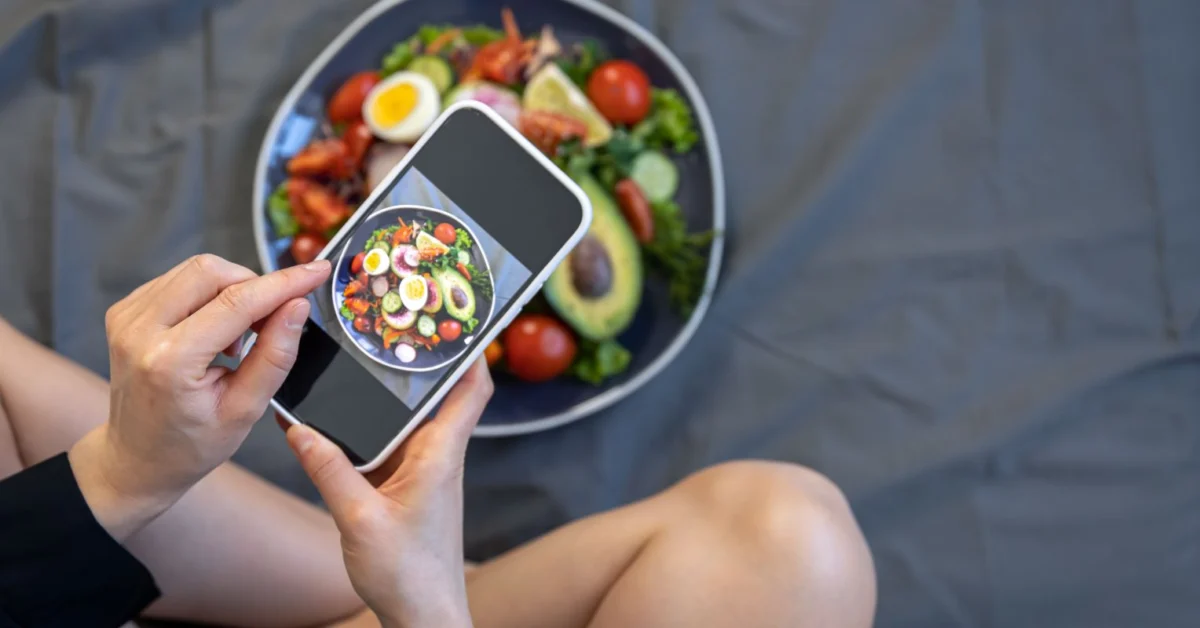
It is a familiar Sunday night ritual: you are lying in bed, the glow of your smartphone illuminating the dark room as you scroll through social media, seeking a moment of digital escapism. Within seconds, the algorithm serves up an influencer’s "What I Eat in a Day" video—a reel featuring meticulously plated, carb-free meals and low-calorie portions. Minutes later, the feed pivots to a "relatable" post about partying, followed by a meme suggesting that a glass of wine is a necessary tool for a mother to survive the day. Interspersed between these glimpses into other lives are aggressive advertisements for fitness programs, promising that "you can fix your life in three simple steps."
By Monday morning, these digital seeds have taken root in the physical world. A coworker mentions a new restrictive diet they are starting; a friend texts about the urgent need to lose weight to be "summer-ready." Public figures like Tom Brady advocate for specific plant-based regimens, reinforcing the message that food is a moral choice rather than a source of nourishment. The pervasive nature of these messages suggests that one’s body is a project to be optimized, managed, and constantly scrutinized.
The Architecture of Diet Culture in the Digital Age
Social media was built on the promise of connection and community. However, it has simultaneously become the primary engine for diet culture—a system of beliefs that equates thinness with health and moral superiority. While diet culture lures users with the seductive promise of happiness and longevity, it often delivers the opposite: a cycle of shame, guilt, and anxiety.
The wellness market, now a staggering $160 billion industry as of 2024, is projected to balloon to $360 billion by 2034 (Finklea, 2025). This growth is fueled by a massive ecosystem of digital creators who monetize insecurity. By demonizing specific food groups, promoting "hacks," and fat-shaming those who do not conform to their curated aesthetic, these influencers imply that their physical state is merely the result of superior discipline.
For the average user, the reality is far more complex. Health is not a one-size-fits-all metric, yet social media algorithms favor extreme, visually striking content that rewards restriction. Beneath the flawless images of influencers lie hidden struggles: chronic hunger, social isolation, and severe mental health strain. The impact on younger generations is particularly alarming. Data from The REACH Institute (2025) indicates that nearly half (46%) of teens aged 13–17 report feeling worse about their bodies after spending time on social media. Perhaps more critically, individuals who spend more than three hours a day on social media platforms are twice as likely to develop eating disorders (EDs) compared to those with lower screen time.
The Intersection: Where Eating Disorders Meet Substance Use
While the outward expressions of eating disorders and substance use disorders (SUDs) may appear distinct, they share a common psychological foundation. Both are frequently employed as maladaptive coping mechanisms—attempts to manage overwhelming stress, regulate volatile emotions, or suppress past trauma.
According to the National Eating Disorders Association (NEDA, 2023), approximately 50% of individuals struggling with an eating disorder also report the misuse of alcohol or drugs. This is not a coincidence; research indicates an interdependent relationship between the two. Each disorder can exacerbate the other, creating a feedback loop of physiological and psychological distress.
Social media platforms like TikTok and Instagram have compounded this issue by normalizing these behaviors. The "glamourization" of extreme dieting often runs parallel to the normalization of substance use as a tool for stress relief. When a platform presents both restrictive eating and alcohol consumption as typical parts of a "lifestyle," it becomes increasingly difficult for a user to recognize when their habits have crossed the threshold into clinical pathology. This normalization makes the transition from a restrictive diet to substance dependence—or the emergence of both simultaneously—feel less like a warning sign and more like a standard life stage.
A Chronology of the Crisis
The rise of this dual-disorder crisis can be traced alongside the evolution of the smartphone and the rapid expansion of image-centric social platforms.
- 2010–2015: The "Pro-Ana" and "Fitspo" movements began migrating from fringe forums to mainstream platforms like Tumblr and Instagram. This era marked the shift from private body image struggles to public, curated performances of thinness.
- 2016–2020: The rise of video-first platforms like TikTok accelerated the pace of health trends. Short-form, highly edited content became the primary way users consumed health information, leaving little room for nuance or scientific context.
- 2021–2024: The "Wellness" boom gained momentum, moving beyond simple dieting into the realm of "bio-hacking" and restrictive "clean eating." This period saw the rise of influencers promoting supplements and rigid, often dangerous, fasting protocols.
- 2025 and Beyond: The current landscape is defined by a massive, multi-billion dollar wellness market that heavily relies on algorithmic targeting. Clinical data now confirms that the combination of social media saturation and these commercial interests has significantly worsened the prognosis for those with co-occurring disorders.
The Fatal Consequences of Co-Occurring Disorders
The collision of eating disorders and substance use is not just a psychological challenge; it is a life-threatening medical emergency. Anorexia nervosa already holds the highest mortality rate of any psychiatric illness. When an eating disorder is complicated by substance use, the risk profile shifts dramatically.
Research published in The American Journal of Psychiatry (Mellentin et al., 2022) found that co-occurring alcohol and hard drug use nearly quadruples the mortality risk for patients with eating disorders. The physical toll is immense: the combination of nutrient deficiency and chemical toxicity places unprecedented strain on the heart, kidneys, and liver.
Furthermore, SAMHSA (2025) highlights that individuals with eating disorders exhibit higher rates of suicidal ideation and attempts. When psychiatric comorbidities—such as anxiety, depression, or personality disorders—are added to the mix, the need for integrated, urgent care becomes the primary focus of public health intervention.
Fragmented Care: A Systemic Failure
Despite the clear link between EDs and SUDs, the medical and psychiatric treatment systems remain largely siloed. Traditionally, a patient might be referred to an eating disorder clinic for one set of symptoms, only to be told that their concurrent substance use makes them ineligible for care. Conversely, many addiction recovery centers lack the specialized expertise to handle the complex nutritional and psychological needs of an eating disorder patient.
This "whack-a-mole" approach to treatment—where a patient is forced to prioritize one recovery path over another—is a major contributor to the cycle of relapse. Patients are often left to navigate a fragmented healthcare system that does not understand the interplay of their conditions. Emerging research (Pierce, Joy, & David, 2025) strongly advocates for an integrative approach. True recovery requires clinicians to treat the person, not just the diagnosis, addressing the underlying trauma and the cultural pressures that trigger both types of harmful behaviors.
Implications for Future Intervention
The solution to this crisis cannot rely solely on the individual. While therapy and medical intervention are essential, there must be a broader movement to hold digital platforms accountable for the content they promote.
1. Reforming Digital Environments
Algorithmic transparency is no longer optional. Platforms must be held responsible for the promotion of content that encourages extreme restrictive eating or substance abuse. Policies that prevent the monetization of harmful health misinformation are a necessary first step.
2. Integrated Clinical Models
Healthcare providers must pivot toward "dual-diagnosis" centers that specialize in the intersection of eating disorders and addiction. Training for mental health professionals must be updated to ensure that an eating disorder is never treated in a vacuum, ignoring the potential for comorbid substance use.
3. Media Literacy and Education
Empowering individuals to reclaim their health requires a cultural shift. By fostering greater media literacy, we can help users identify the predatory nature of the $360 billion wellness industry. When individuals understand that their insecurities are being harvested for profit, they can better protect their mental space.
The digital mirror is currently reflecting a distorted reality—one where your worth is tied to a caloric deficit or a chemical escape. Breaking free from this cycle requires us to look past the screen and recognize that health is not a product to be bought, but a complex, individual state of being that deserves protection from the algorithms of profit. The path forward demands an integrated approach: one that heals the mind, repairs the body, and challenges the cultural forces that profit from our suffering.