








In a harrowing medical development that has drawn attention to the complexities of rare pediatric diseases, a two-year-old Indiana girl has become the first patient in the United States to be diagnosed with Rajab Interstitial Lung Disease with Brain Calcifications (RILDBC-1). The diagnosis marks a sobering milestone for medical researchers and the girl’s family alike, as they navigate an illness so obscure that fewer than 10 cases have been documented worldwide.
For two-year-old Wrenley Lantaff, of Pike County, Indiana, the diagnosis is not merely a label but a catalyst for an urgent, life-saving mission. Currently battling the multisystem effects of this rare genetic condition, including severe liver failure, Wrenley is now on the waiting list for a liver transplant, turning her family’s life into a high-stakes race against time.
The Nature of RILDBC-1: A Multisystem Challenge
Rajab Interstitial Lung Disease with Brain Calcifications (RILDBC-1) is a devastating and profoundly complex genetic disorder. Unlike more common pediatric illnesses, RILDBC-1 manifests across multiple organ systems, making clinical management an immense challenge for even the most experienced medical specialists.
Understanding the Pathology
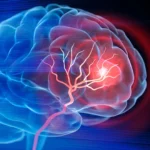
At its core, RILDBC-1 is characterized by the inflammation and scarring (interstitial disease) of the lungs, which inhibits the body’s ability to transfer oxygen into the bloodstream. However, the pathology extends far beyond respiratory failure. As the name suggests, the condition is marked by intracranial calcifications—deposits of calcium in the brain—which can lead to neurological complications.
Medical literature notes that the disease typically presents in infancy or early childhood. Patients often experience a "failure to thrive," characterized by stunted growth and poor weight gain. In addition to the pulmonary and neurological components, the disease frequently wreaks havoc on the liver, skeletal structure, and renal system. For Wrenley Lantaff, the progression of the disease has primarily centered on the failure of her liver, necessitating an organ transplant to provide a window for further treatment and survival.
A Chronology of a Medical Odyssey
The journey to a diagnosis for the Lantaff family was arduous, marked by the typical "diagnostic odyssey" that plagues families living with rare diseases.
Early Warning Signs
Like many children with RILDBC-1, Wrenley’s early months were marked by unexplained health struggles. While the family initially sought answers for growth delays and respiratory issues, the specificity of her condition remained elusive. The rarity of the disorder means that pediatricians, pulmonologists, and neurologists may go their entire careers without encountering a single case, often leading to a long string of misdiagnoses or inconclusive tests.
The October 2025 Breakthrough
The pivotal moment in Wrenley’s journey occurred in October 2025, when clinical testing finally confirmed the presence of the genetic markers associated with RILDBC-1. The confirmation provided clarity but also confirmed the gravity of the situation: there is no cure, and the path forward requires aggressive, multidisciplinary symptom management.
The Current Crisis: Liver Failure
Following her diagnosis, the disease’s impact on Wrenley’s liver accelerated. Liver failure in the context of a rare metabolic or genetic condition is particularly dangerous, as the organ’s role in detoxification and metabolic regulation is compromised. Since late 2025, the medical team at the children’s hospital overseeing her care has shifted focus to stabilizing her condition while she awaits a donor match for a liver transplant. This procedure is considered a critical intervention to buy the toddler more time to fight the other systemic symptoms of the disease.
Supporting Data: The Global Landscape of RILDBC-1
To understand the isolation of the Lantaff family’s experience, one must look at the global data. RILDBC-1 is categorized as an ultra-rare disease. In the medical community, "rare" is defined as a condition affecting fewer than 200,000 people in the United States; however, RILDBC-1 falls into an even smaller subset of "ultra-rare" diseases, with fewer than 10 confirmed cases documented in the scientific literature globally.
Statistical Scarcity
Because the patient population is so small, there are no large-scale clinical trials, no standardized "gold-standard" treatment protocols, and very little longitudinal data on the life expectancy or long-term prognosis of those affected. Physicians are forced to treat patients based on anecdotal evidence, international consultations, and a trial-and-error approach to symptom management.
Genetic Underpinnings
RILDBC-1 is inherited in an autosomal recessive pattern, meaning both parents must carry a copy of the mutated gene, though they typically show no symptoms themselves. Each pregnancy between carrier parents carries a 25% risk of the child inheriting the disease. The genetic nature of the disorder highlights the need for continued funding in genomic medicine, as breakthroughs in gene therapy or precision medicine offer the only real hope for future patients.
Implications for the Healthcare System
The case of Wrenley Lantaff serves as a stark reminder of the gaps in the modern healthcare system regarding the management of rare diseases.
The Cost of Rare Disease
The financial burden on families of children with rare diseases is catastrophic. Beyond the astronomical costs of surgical procedures like liver transplants, families face recurring expenses for specialized nutrition, round-the-clock home nursing, frequent hospital stays, and the travel costs associated with visiting specialists who may be located in different states.
In response to these crushing financial demands, the Lantaff family has partnered with the Children’s Organ Transplant Association (COTA). COTA provides a framework for families to organize community-based fundraising campaigns, ensuring that medical expenses do not become an insurmountable barrier to receiving life-saving care. The upcoming fundraiser, scheduled for July 18, is a testament to the power of community mobilization in the face of institutional medical limitations.
Research and Advocacy
The emergence of a U.S. case of RILDBC-1 brings new attention to the disease in American research circles. Medical institutions are now prompted to look closer at similar cases that may have been previously undiagnosed or misattributed to more common types of interstitial lung disease. Advocacy groups argue that more funding should be directed toward the National Institutes of Health (NIH) Undiagnosed Diseases Program, which is specifically designed to tackle cases that defy traditional diagnostic paths.
A Community Rallies: The Path Forward
The story of Wrenley Lantaff is one of resilience. As she waits for a liver, her community in Pike County and across Indiana has begun to rally.
The July 18 Fundraiser
The fundraiser is more than just a financial necessity; it is a display of public awareness. By bringing the story of RILDBC-1 into the public eye, the Lantaff family is ensuring that other parents who might be experiencing similar, unexplained symptoms have a point of reference.
For those looking to support the family, the Children’s Organ Transplant Association website (cota.org/cotaforwrenleysfight/) serves as the official portal for donations. COTA ensures that funds are used exclusively for transplant-related expenses, providing a level of transparency and security that is vital for families already overwhelmed by the trauma of a sick child.
Looking Toward the Future
The road ahead for Wrenley is fraught with uncertainty. Even with a successful liver transplant, she will continue to live with the neurological and pulmonary challenges of RILDBC-1. However, the medical community remains hopeful that by addressing the most immediate threat—the liver failure—she will gain the strength needed to face the next stage of her treatment.
The diagnosis of RILDBC-1 in the United States is a call to action for the medical community to improve diagnostic tools and support systems for families facing the rarest of illnesses. It is a reminder that behind every rare disease statistic is a family, a community, and a child fighting for their future.
Conclusion: The Resilience of the Human Spirit
Wrenley Lantaff’s journey is a microcosm of the larger, often invisible struggle of families navigating the rare disease landscape. While the scientific community works to understand the mechanics of RILDBC-1, and while doctors fight to keep her stable, the rest of the world is left to observe the profound strength of a two-year-old child and the unyielding support of her family.
As the July 18 fundraiser approaches, the focus remains on securing the resources necessary for her care. But beyond the financial goal, there is a human goal: to ensure that Wrenley’s story is heard, that her diagnosis becomes a gateway for better medical understanding, and that no family in the United States has to navigate the isolation of a rare diagnosis alone. Her fight is a fight for every child whose voice is too small to be heard in the halls of medical research, and it is a testament to the fact that even in the face of the rarest, most daunting odds, hope remains a vital component of medicine.