








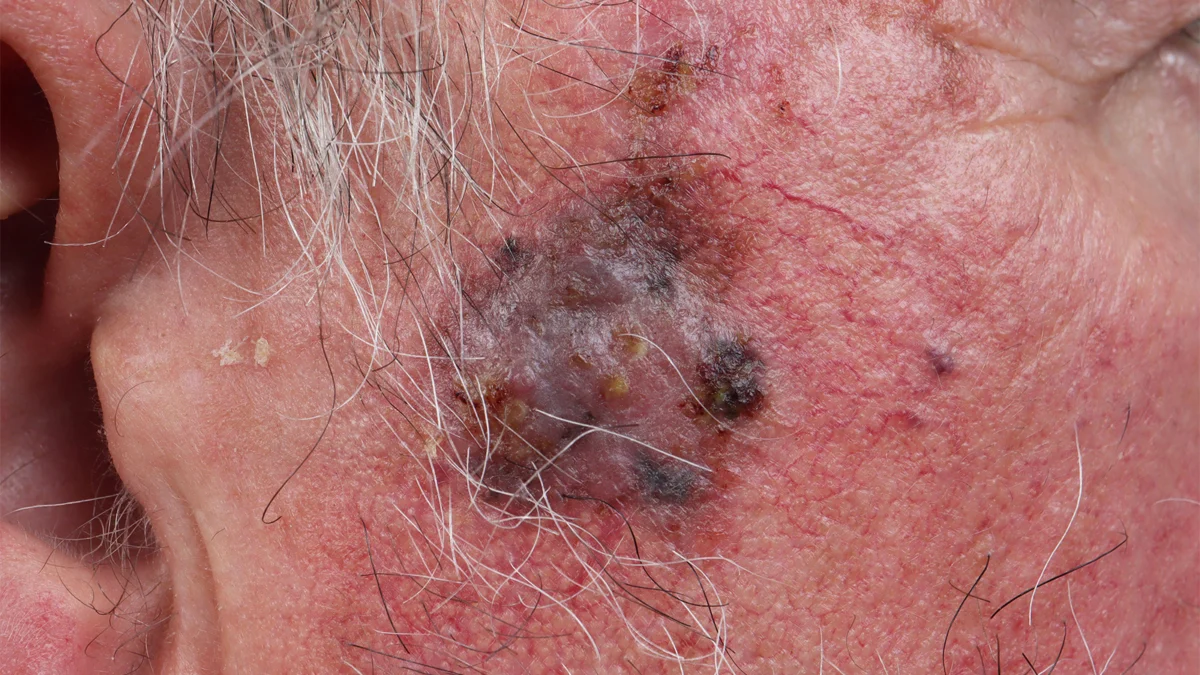
In a high-stakes development for the field of oncolytic immunotherapy, the FDA’s Cellular, Tissue, and Gene Therapies Advisory Committee has delivered a surprising recommendation in favor of RP1 (vusolimogene oderparepvec). The vote, which saw a 10-3 split in support of the drug’s efficacy, marks a pivotal moment for Replimune, the biotechnology firm that has navigated two previous FDA rejections. As the company seeks accelerated approval for the treatment of advanced melanoma, the committee’s decision has reignited a complex debate regarding the balance between clinical need and regulatory rigor.
The Core of the Controversy: Evaluating the IGNYTE Data
At the heart of the regulatory struggle lies the phase II IGNYTE clinical trial. Replimune is positioning RP1—an investigational oncolytic immunotherapy—as a transformative combination therapy when administered alongside the PD-1 inhibitor nivolumab (Opdivo). The target population consists of patients with unresectable, advanced melanoma who have already seen their disease progress following standard anti-PD-1 therapy.
For these patients, the current medical landscape is bleak. Replimune reported that in the IGNYTE study, 33.6% of patients responded to the RP1-nivolumab combination, with a notable 16.4% achieving a complete response. Proponents of the drug, including prominent melanoma experts, argue that these figures represent a substantial achievement in a cohort historically resistant to immunotherapy.
However, the path to approval remains treacherous. FDA staff reviewers have consistently raised alarms regarding the integrity of the data. Their primary contention is that the trial’s response assessment methods were fundamentally flawed, potentially overstating the drug’s impact. The agency has expressed concern that observed tumor regression might be an isolated effect of direct intralesional injection rather than a broad, systemic anti-tumor response. If the therapy lacks a systemic mechanism, the FDA argues, it cannot be considered "reasonably likely to predict clinical benefit"—the requisite standard for accelerated approval.
A Chronology of Rejection and Persistence
The journey of RP1 has been defined by a "checkered history" of regulatory pushback. The drug’s development path is a masterclass in the complexities of modern drug approval, particularly when companies attempt to bring novel, non-traditional therapies to market.
- The Initial Strategy: Replimune originally opted for a single-arm study design for IGNYTE. The company maintained that randomizing patients to a control arm of PD-1 monotherapy would be unethical and impractical, given that the study population had already failed that specific treatment.
- The FDA’s Position: While the agency eventually allowed the single-arm submission, it set a high bar, demanding evidence of a "large magnitude of benefit" and a clear demonstration of why both RP1 and nivolumab were necessary to achieve the observed results.
- The 2025 Rejection: The FDA issued its first Complete Response Letter (CRL) in 2025, citing insufficient evidence of efficacy.
- The 2026 Setback: A second rejection followed this year, largely driven by the company’s inclusion of exploratory and unplanned analyses from the phase III IGNYTE-3 trial, which failed to sway regulators.
These rejections occurred during a volatile period at the FDA, under the tenure of former Commissioner Dr. Marty Makary. The controversial nature of these decisions—and the broader debate over regulatory standards during that era—even led Dr. Makary to defend the agency’s deliberative processes on national television, underscoring the high-profile nature of the RP1 saga.
Clinical Perspectives: Bridging the Evidence Gap
During the advisory committee meeting, the divide between clinical pragmatism and statistical conservatism was on full display.
Dr. Hussein Tawbi of the University of Texas MD Anderson Cancer Center provided a powerful endorsement of the drug. Addressing the committee, he noted that the responses observed in both injected and uninjected lesions suggest a systemic effect triggered by the combination therapy. "I consider the responses that I see in this reliable enough," Dr. Tawbi stated, emphasizing that for a population with extremely limited options, the data is not merely anecdotal, but clinically actionable.
Dr. William Gradishar, an oncologist from Northwestern University, echoed these sentiments. He highlighted the 24.8-month duration of response as a key indicator of clinical meaningfulness. For Dr. Gradishar, the "unmet need" factor is a critical component of the benefit-risk calculus.
Conversely, Dr. Karla Ballman, a biostatistician at the Mayo Clinic, represented the voice of caution. Her vote against the drug was rooted in the lack of a reliable historical control and the inherent uncertainty of the trial’s design. "The uncertainty around the trial data is a real problem," Dr. Ballman argued, highlighting the difficulty in determining whether RP1 contributes meaningfully to patient outcomes compared to nivolumab alone.
The Regulatory Burden: Systemic vs. Localized Effect
The FDA’s skepticism is not merely about whether the drug "works" in a general sense; it is about the scientific mechanism of action. The agency’s briefing documents specifically questioned whether the observed tumor responses were the result of direct physical interaction between the virus and the tumor, rather than an immunological cascade that benefits the entire body.
If the response is purely localized, the clinical value of an intensive, invasive, and potentially toxic combination therapy is diminished. Furthermore, the agency has noted that the toxicity profile of the RP1 combination must be weighed carefully against the "uncertain" clinical benefit. For the FDA, the burden of proof rests on the manufacturer to demonstrate that the combination is superior to existing standards of care—a bar that Replimune has struggled to clear to the agency’s satisfaction.
Implications: What Comes Next?
The advisory committee’s 10-3 vote is a significant symbolic victory for Replimune, yet it does not guarantee approval. The FDA is not legally bound to follow the advice of its committees, though it historically aligns with them in the majority of cases.
If the FDA does grant accelerated approval, it will likely be contingent upon further post-marketing studies to verify clinical benefit. This would allow patients access to a potential new therapy while simultaneously addressing the data gaps that have plagued the drug’s development.
However, the implications of this decision reach beyond RP1. The case serves as a litmus test for how the FDA manages "orphan" or niche indications where large-scale, randomized, controlled trials may be viewed as unethical. As the medical community moves toward more personalized, combination-based immunotherapies, the regulatory framework must evolve to accommodate data that may not fit the traditional "gold standard" of a massive randomized clinical trial.
Conclusion
The path for RP1 remains precarious, caught between the desperate needs of advanced melanoma patients and the stringent, evidence-based mandates of the FDA. While the advisory committee has signaled that the current "signal" of efficacy is sufficient to warrant approval, the final decision rests with agency leadership.
For Replimune, the road has been long, marked by two rejections and significant public scrutiny. Whether this third attempt results in a breakthrough or another regulatory roadblock will ultimately depend on whether the agency chooses to prioritize the "clinically meaningful" signal observed by clinicians or the "unreliable" methodology identified by its reviewers. For the patients awaiting the next generation of cancer therapies, the conclusion of this saga will be a defining moment in the current era of immunotherapy.