





In a move that underscores the high-stakes evolution of cancer immunotherapy, AstraZeneca announced on Monday a massive $2 billion equity investment in Summit Therapeutics. This strategic partnership—designed to accelerate the development of the promising bispecific antibody ivonescimab—marks a pivotal moment in the oncology landscape. By acquiring approximately 109,000 shares of convertible preferred stock, AstraZeneca secures a roughly 12% stake in Summit, positioning itself at the forefront of the next generation of cancer treatment.
This collaboration is far more than a financial infusion. It establishes a broad operational alliance to test ivonescimab in combination with AstraZeneca’s expansive portfolio of proprietary cancer medicines. As the pharmaceutical industry grapples with the limitations of existing blockbusters, this deal signals a calculated shift toward synergistic, combination-based therapies that could redefine the standard of care for millions of patients worldwide.
The Strategic Anatomy of the Deal
Under the terms of the agreement, the two companies will jointly fund the development costs associated with testing these drug combinations. Crucially, both AstraZeneca and Summit will retain the ownership rights to their respective primary medicines.
Summit’s position in this deal is bolstered by its 2022 licensing agreement with China-based Akeso, which granted Summit rights to ivonescimab in the United States, Canada, Europe, and Japan for $500 million. By aligning with AstraZeneca, Summit gains a massive engine for clinical development and commercial expertise, while AstraZeneca gains a "front-row seat" to what many researchers consider the most promising asset in the PD-1/VEGF bispecific inhibitor space.
Chronology: The Rise of the PD-1/VEGF Class
To understand why this deal has captured the attention of Wall Street and the oncology community, one must look at the meteoric rise of the PD-1/VEGF inhibitor class.
- 2022: Summit Therapeutics secures the rights to ivonescimab from Chinese inventor Akeso, setting the stage for global development.
- 2024-2025: Initial data emerging from Chinese trials begins to turn heads, suggesting that the dual-action mechanism of blocking both PD-1 and VEGF proteins could outperform existing checkpoint inhibitors.
- Late 2025: Results from a landmark Phase 3 lung cancer study are published, showing that ivonescimab cut the risk of disease progression or death by half compared to Merck & Co.’s industry titan, Keytruda. This is the first time an experimental drug has bested Keytruda in a head-to-head lung cancer trial.
- Early 2026: A wave of industry activity follows, as major players—including Pfizer, Merck, AbbVie, and Bristol Myers Squibb—scramble to secure or develop their own PD-1/VEGF candidates.
- March 2026: AstraZeneca finalizes its $2 billion investment in Summit, opting for a strategic alliance rather than an outright acquisition, effectively hedging its bets while ensuring participation in the potential market shift.
Supporting Data: Why Ivonescimab Matters
The current gold standard in immuno-oncology, Merck’s Keytruda, has generated tens of billions of dollars in annual revenue by targeting the PD-1 protein to "unmask" cancer cells to the immune system. However, resistance and limited efficacy in certain patient populations remain significant hurdles.
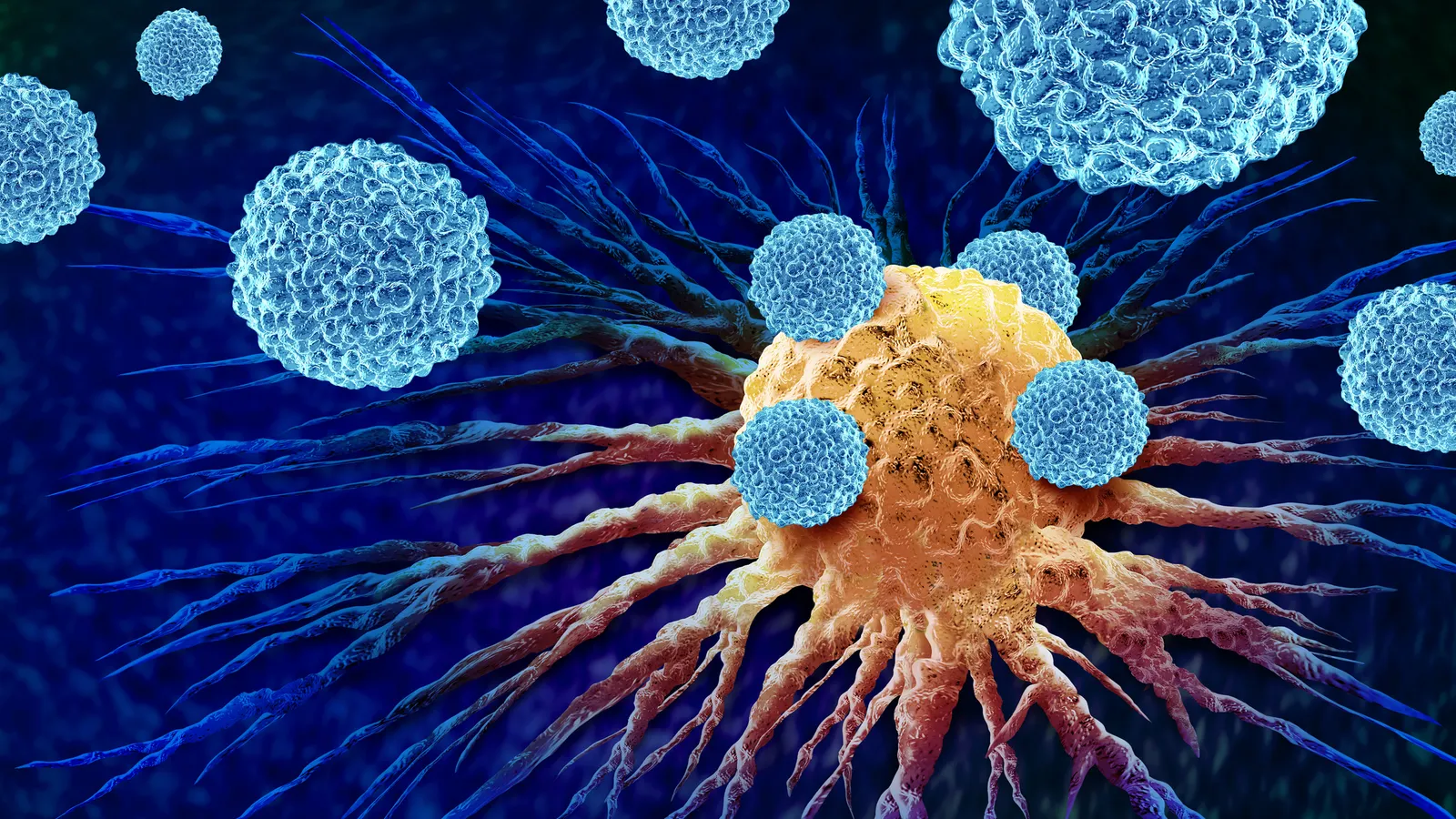
Ivonescimab operates as a bispecific antibody, simultaneously blocking PD-1 and VEGF. The vascular endothelial growth factor (VEGF) pathway is notorious for fostering the blood supply that tumors need to thrive. By hitting both targets with one molecule, the drug aims to suppress tumor growth while simultaneously improving the immune system’s ability to attack the malignancy.
The data that sparked this industry frenzy was unambiguous: in the pivotal Chinese lung cancer trial, patients treated with ivonescimab experienced a 50% reduction in risk compared to those on Keytruda. While these results are statistically robust, the scientific community remains cautious, noting that the trial was conducted exclusively in China, raising questions about whether the drug’s efficacy will translate to the broader, more genetically diverse global patient population.
Implications for the Oncology Market
The investment represents a sophisticated "option play." As noted by Michael Leuchten, an analyst at Jefferies, AstraZeneca is securing a route to combine its potent antibody-drug conjugates (ADCs) with a potential "best-in-class" immunotherapy without the risks associated with a total corporate acquisition.
The "Sone-Ve" Synergy
The partnership will initially focus on pairing ivonescimab with "Sone-Ve," an AstraZeneca oncology prospect currently being evaluated for gastrointestinal tumors. If the combination of an ADC—which acts as a "guided missile" for chemotherapy—and a bispecific immunotherapy proves successful, it could create a new paradigm in precision medicine.
A Hedge Against Uncertainty
The pharmaceutical sector remains deeply divided over the long-term potential of PD-1/VEGF inhibitors. While the clinical results are impressive, they are not yet "globally validated." By investing rather than acquiring, AstraZeneca maintains the flexibility to pivot if upcoming international trials—specifically those testing ivonescimab against Keytruda-chemotherapy combinations—fail to replicate the stunning success seen in the early Chinese data.
"AstraZeneca likely believes their own internal approaches are superior to PD-1/VEGF," suggests Trung Huynh, an analyst at RBC Capital Markets, "but this deal leaves the door open for a potential expansion should the clinical evidence strengthen."
Official Responses and Market Reaction
The market’s response to the announcement was immediate and positive. Summit Therapeutics’ shares climbed approximately 17% in early trading following the news, reflecting investor optimism regarding the validation provided by a pharmaceutical giant like AstraZeneca.
For Summit, this is an "important vote of confidence," says Daina Graybosch of Leerink Partners. However, analysts are quick to point out the nuance: this is a "tepid" investment relative to a full buyout. It serves as a strategic hedge for AstraZeneca, allowing them to participate in the success of the PD-1/VEGF class while continuing to prioritize their internal R&D pipeline of next-generation cancer therapies.
Future Outlook: The Road Ahead
The success of this alliance will be determined in the coming 18 to 24 months. Several critical factors will define the long-term impact of the AstraZeneca-Summit partnership:
- Global Clinical Validation: The results of ongoing international Phase 3 trials will either solidify ivonescimab as the next "Keytruda" or relegate it to a niche therapeutic option.
- Breadth of Indications: Can the PD-1/VEGF mechanism be replicated in other solid tumors, such as breast, colon, or liver cancers? AstraZeneca’s intention to test combinations across multiple oncology prospects suggests they are betting on broad utility.
- The Competitive Landscape: With nearly a dozen companies currently developing their own PD-1/VEGF bispecifics, the race is not just for efficacy, but for the fastest clinical development timeline. AstraZeneca’s resources may provide the necessary leverage for Summit to win this race.
In conclusion, the $2 billion infusion is a hallmark of modern oncology strategy: high-risk, high-reward, and deeply reliant on the success of combinatorial science. Whether this becomes the next great breakthrough in cancer treatment or a cautionary tale of "early-data exuberance" remains to be seen, but AstraZeneca has firmly established itself as a lead participant in the debate. As clinical trials progress, the industry will be watching closely to see if this marriage of big-pharma capital and biotech innovation can truly shift the tide in the war on cancer.