In the ancient tradition of Ayurveda, the human body is viewed not merely as a biological machine, but as an intricate tapestry of mind, body, and consciousness. The primary objective of this millennia-old medical science is the maintenance of equilibrium among these elements. When that balance is disrupted, manifesting as psychosomatic distress, Ayurveda provides a structured roadmap for restoration. Central to this process is the distinction between Shamanam (pacification) and Shodanam (purification). As we transition into the cold, dense, and sluggish environment of winter—a season dominated by the Kapha dosha—the practice of Nasya emerges as a vital, often underutilized, tool for detoxification and mental clarity.
The Ayurvedic Framework: Shamanam vs. Shodanam
To understand the necessity of seasonal cleansing, one must first comprehend the Ayurvedic approach to pathology. When an individual presents with a health imbalance, the practitioner must first determine if the patient has the physical fortitude to undergo a "deep clean."
Shamanam is the path of pacification. It is indicated for those who are physically weak or depleted. In this state, the goal is to remove the root cause of the distress while simultaneously nourishing the body. It acts as a stabilizing force, preparing the system for the rigors of more intensive interventions.
Only once the patient has achieved a baseline of strength—or if their constitution is robust enough from the outset—does the practitioner move to Shodanam, or purification. The cornerstone of this purification process is Panchakarma. Derived from the Sanskrit words Pancha (five) and Karma (action), this suite of five therapeutic procedures is designed to eliminate deep-seated toxins (ama) from the tissues. Among these, Nasya—the nasal administration of therapeutic substances—occupies a unique position, as the nose is considered the "doorway to the brain."
The Anatomy of Nasya: The Bridge to the Brain
The nose is more than a sensory organ; in Ayurveda, it is the direct portal to the Majja Dhatu (the nervous system and brain tissue). Substances introduced through the nasal passages bypass the digestive system and are absorbed directly into the subtle channels of the body.
The physiological mechanism behind Nasya is fascinating when viewed through both traditional and modern lenses. Upon inhalation of medicinal oils or powders, the substance interacts with the cribriform plate—a porous bone structure at the roof of the nasal cavity. This creates a specific pressure gradient that influences the meninges, the protective membranes encasing the brain and spinal cord.
Furthermore, the rhythmic inhalation of these substances triggers a mechanical response in the diaphragm. This "pumping" action facilitates the circulation of cerebrospinal fluid and enhances both venous and arterial blood flow to the cranial region. This, in turn, purifies the Nadis, the "rivers of life" or energy channels, resulting in a profound shift in consciousness and mental perception.
Navigating the Kapha Season: Why Winter Requires Specific Care
According to Ayurvedic chronology, the seasons dictate the internal climate of the body. Winter is characterized by the attributes of the Kapha dosha: cold, heavy, dense, slow, and cloudy. As these qualities accumulate in our environment, they begin to settle in our lungs, sinuses, and digestive tracts.
If left unchecked, this "Kapha accumulation" manifests as lethargy, congestion, weight gain, and mental fog. To counteract these qualities, Ayurveda dictates the use of substances that are heating, drying, and expansive. Nasya becomes the primary modality for "winter cleaning," acting as a shovel to clear the snow of congestion from the cranial passages.
Clinical Approaches: Recipes for Seasonal Balance
While Nasya can be complex, there are specific, time-tested formulations that practitioners utilize to manage the transition into winter.
The Power of Vacha (Calamus Root)
Vacha is a prized herb in the Ayurvedic pharmacopeia, known for being heating, pungent, and bitter—the exact energetic profile required to cut through Kapha stagnation. Vacha is considered Saatvic (pure) and is believed to nourish the mind while clearing the Srotas (channels) of debris.
- Application: A small pinch of Vacha powder is inhaled through each nostril.
- The Reaction: It is common to experience sneezing, which is viewed as a beneficial reflex. Sneezing aids in balancing Prana (life force) and Udana (the upward-moving energy of the head), effectively "resetting" the brain centers for enhanced clarity.
The Ginger-Jaggery Infusion
For those suffering from sinus congestion or tension headaches, the Ginger-Jaggery Nasya is a potent remedy.
- Preparation:
- Grate 1 teaspoon of fresh ginger and 1 teaspoon of high-quality jaggery.
- Combine with 1/3 cup of water.
- Strain the mixture through a clean cheesecloth, ensuring all solid fibers are removed.
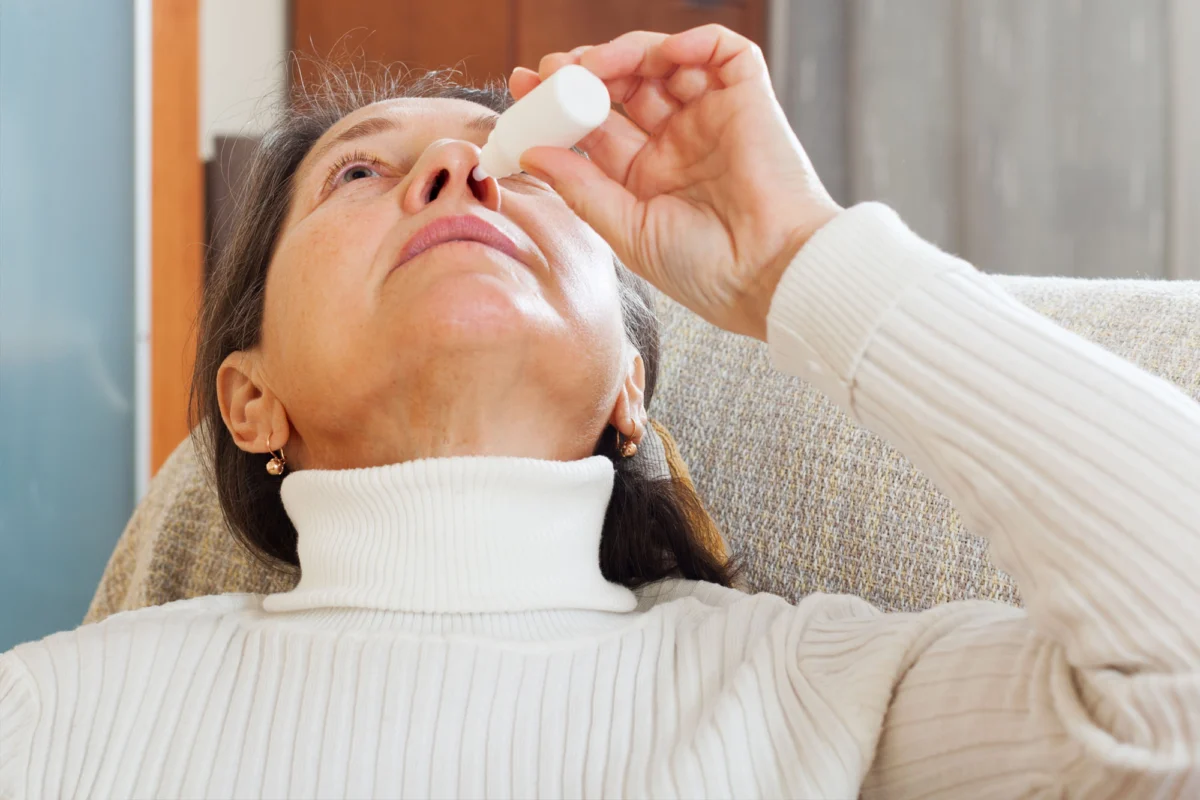
- Administration: Place 2–3 drops of this freshly prepared liquid into each nostril.
- The Experience: Patients often report an immediate, intense burning sensation followed by a flushing of the eyes and nose. This is quickly replaced by an "after-glow" of mental exhilaration and sensory sharpness.
Note: It is imperative that this mixture be made fresh for each application to prevent contamination and ensure the potency of the ingredients.
Implications for Modern Wellness
The integration of Nasya into a modern wellness routine represents a shift toward preventative, personalized healthcare. By addressing the subtle changes in our physiology as the seasons turn, we can prevent the manifestation of deeper systemic diseases.
However, the medical community maintains a cautious stance. While the traditional efficacy of these practices is documented in ancient texts, the application of substances into the nasal cavity carries risks if not done under the guidance of a qualified practitioner. Risks include irritation of the mucous membranes or potential infection if the ingredients are not sterile.
The Expert Perspective
Dr. Anjali Rao, a practitioner of integrative medicine, notes: "The logic behind Nasya is sound; by targeting the cranial region, we can influence the autonomic nervous system. However, patients must understand that ‘natural’ does not mean ‘without side effects.’ The burning sensation from ginger is a strong stimulus. Anyone with chronic sinusitis, structural nasal issues, or a history of chemical sensitivity should consult their physician before attempting these procedures."
The Chronology of Implementation
For those looking to adopt a winter Nasya practice, the following chronology is recommended:
- Preparation (1–2 weeks prior to winter): Begin with light Shamanam (pacification). Focus on a diet that is warm, cooked, and easy to digest to minimize the buildup of Ama (toxins).
- Assessment: Determine if you have a current "Kapha imbalance." If you are feeling heavy, slow, or congested, proceed to purification.
- The Cleansing Phase (Winter Solstice to Mid-Winter): Integrate Nasya twice weekly. Focus on the Vacha or Ginger-Jaggery protocols during the early morning hours when Kapha is naturally dominant in the environment.
- The Maintenance Phase: Once the congestion clears, reduce frequency to once a week or as needed to maintain mental clarity and sensory acuity.
Conclusion: Balancing the Inner and Outer Worlds
The practice of Nasya serves as a poignant reminder that human health is inextricably linked to the natural cycles of the planet. As the world turns cold and dark in winter, our internal systems mirror this shift toward contraction. By employing the principles of Panchakarma—specifically the intelligent use of herbal Nasya—we can prevent the "cloudiness" of the season from settling into our minds.
Ultimately, the goal of these practices is not merely the alleviation of a runny nose or a headache; it is the refinement of our perception. By clearing the "rivers of life" (the Nadis) and stimulating the brain through the nasal gateway, we allow the life force (Prana) to circulate unimpeded. As we cultivate this inner clarity, we find that we are better equipped to navigate the challenges of the season, maintaining our equilibrium even when the world around us is cold, heavy, and dense.
Disclaimer: The information provided in this article is for educational purposes only and is based on traditional Ayurvedic practices. It does not constitute medical advice, diagnosis, or treatment. Always seek the advice of your physician or other qualified health provider with any questions you may have regarding a medical condition. Never disregard professional medical advice or delay in seeking it because of something you have read here.