





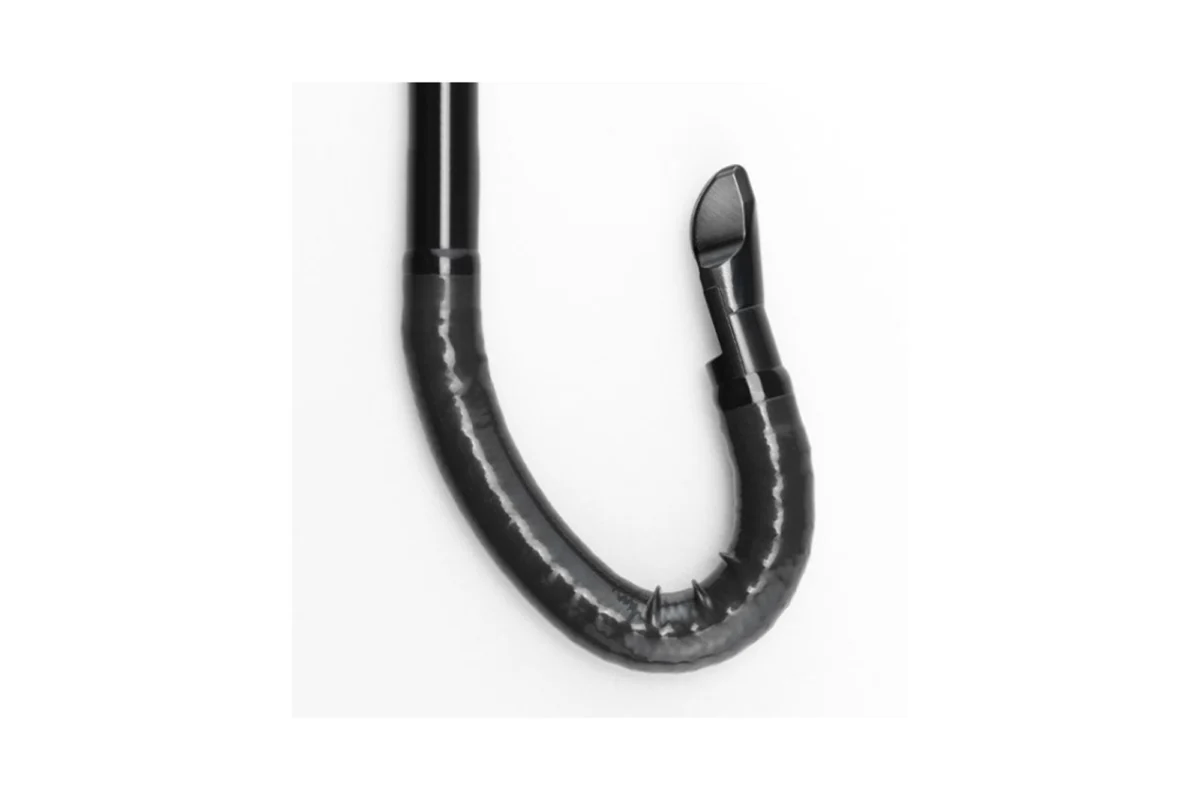
In the evolving landscape of interventional pulmonology, the quest for a balance between diagnostic clarity and clinical efficiency has remained a primary driver of technological innovation. Fujifilm Healthcare Americas Corporation recently signaled a paradigm shift in this sector with the launch of the EB-710US Ultrasound Bronchoscope. Introduced to the medical community at the American Thoracic Society (ATS) 2026 conference, this next-generation endobronchial ultrasound (EBUS) solution promises to redefine how clinicians approach pulmonary diagnostics, particularly by addressing the logistical and safety challenges associated with traditional balloon-based systems.
The Main Facts: A New Standard for EBUS Technology
The EB-710US is not merely an incremental update to existing diagnostic tools; it represents a fundamental redesign of the ultrasound bronchoscope. At its core, the device features a novel balloon-less architecture. Traditionally, EBUS procedures—which are vital for staging lung cancer and diagnosing mediastinal lymphadenopathy—rely on a disposable balloon fitted over the ultrasound transducer. This balloon must be filled with water to provide the acoustic coupling necessary for clear imaging.
Fujifilm’s new design eliminates this requirement entirely. By engineering the transducer for direct tissue apposition, the device provides high-resolution ultrasound imagery without the intermediary of a water-filled membrane. Complementing this innovation are the physical specifications of the scope: a 180-degree acute bending angulation, a 6.4mm distal end, and a 5.9mm insertion tube. These dimensions are meticulously crafted to provide superior maneuverability within the complex branching anatomy of the human lung, allowing for improved access to peripheral and mediastinal targets that have historically been difficult to visualize.
Chronology: From Concept to Clinical Reality
The development of the EB-710US follows years of research aimed at solving the persistent "reprocessing bottleneck" in endoscopy.
- Early Development Phase: Fujifilm’s R&D teams identified the balloon attachment and its subsequent air-bubble management as a major source of procedural delay. Furthermore, reports regarding residual contamination and biofilm formation on balloon surfaces prompted a design shift toward a seamless, balloon-less interface.
- Clinical Validation: Prior to the ATS 2026 launch, the device underwent rigorous testing. Published reports in academic journals highlighted the scope’s success in accessing challenging lung segments. These trials demonstrated that the absence of a balloon did not sacrifice image quality; rather, it enhanced the signal-to-noise ratio by eliminating potential interference from air bubbles trapped within the balloon.
- The ATS 2026 Debut: The official unveiling at the American Thoracic Society’s annual meeting served as the public introduction for the device, garnering significant interest from pulmonologists seeking to optimize their workflow in high-volume thoracic centers.
- US Market Entry: Following the positive reception at ATS, Fujifilm confirmed the immediate availability of the EB-710US for the United States market, marking the commencement of a transition period for hospital procurement departments.
Supporting Data: Why "Balloon-less" Matters
The technical advantages of the EB-710US extend beyond mere convenience. To understand the impact of this device, one must examine the limitations of the status quo.
Infection Control and Biofilm Mitigation
Infection prevention is a paramount concern in modern endoscopy. Traditional EBUS scopes possess intricate surfaces where balloons are mounted; these areas are notoriously difficult to clean. Residual debris and the formation of biofilms in these attachment grooves pose a risk of cross-contamination. By removing the balloon, Fujifilm has effectively eliminated a primary harbor for microbial growth, aligning with the industry’s broader push toward higher hygiene standards.
Procedural Efficiency
For the clinical staff, the EB-710US offers a streamlined workflow. In traditional settings, the procedure requires a dedicated setup phase where staff must:
- Apply the disposable balloon to the distal end.
- Fill the balloon with de-aerated water.
- Carefully inspect the system for air bubbles that could distort ultrasound waves.
- Continuously monitor the balloon for leaks during the procedure.
The elimination of these steps significantly reduces "turnaround time" between cases. In a high-volume center performing dozens of EBUS procedures weekly, this reduction in prep time translates to substantial cost savings and increased patient throughput.
Imaging Performance
The transducer integrated into the EB-710US has been optimized for deep tissue penetration and high resolution. Without the physical barrier of a balloon, the ultrasound waves travel directly from the transducer to the target tissue, potentially providing a clearer, more accurate image of lymph nodes and peripheral lesions.
Official Responses: Insights from Fujifilm Leadership
Tai Fujita, senior vice president of the endoscopy division at FUJIFILM Healthcare Americas Corporation, emphasized that the product was born out of direct feedback from the clinical community.
"Pulmonologists have long balanced the need for high-quality imaging with the practical challenges of procedure efficiency and reprocessing," Fujita stated in the official press release. "With our new balloon-less EBUS scope, we’re removing unnecessary complexity while delivering exceptional ultrasound performance and simplifying workflow."
Fujita’s remarks underscore the company’s strategic shift toward "human-centered design." By observing the frustrations of endoscopists—such as the time-consuming nature of balloon management—Fujifilm has prioritized clinical usability as highly as image quality. The response from the medical community at ATS 2026 suggests that this focus on efficiency resonates strongly with providers who are increasingly pressured to maintain high quality-of-care standards amidst staffing shortages and financial constraints.
Implications for the Future of Pulmonary Care
The introduction of the EB-710US carries several long-term implications for the future of interventional pulmonology.
1. The Economic Shift in Procedure Costs
While the initial acquisition cost of advanced technology is always a factor, the long-term savings associated with the EB-710US are significant. Healthcare facilities will no longer need to purchase disposable balloons, which, while individually inexpensive, represent a recurring operational expense. Moreover, the reduced time per procedure allows for a more efficient use of surgical suites and staff hours, potentially improving the financial margins for pulmonary departments.
2. Standardization of Care
As the medical community moves toward "Best Practice" protocols, the EB-710US provides a more standardized experience. Because the variable of "balloon setup" is removed, the consistency of the image quality becomes less dependent on the individual skill of the technician or nurse preparing the scope. This creates a more reliable diagnostic environment, potentially reducing the need for repeat procedures caused by suboptimal imaging.
3. Pushing the Boundaries of Peripheral Access
The lung periphery is often described as the "final frontier" of bronchoscopy. Accessing small nodules in the outer reaches of the lungs requires precise navigation and minimal trauma to the airway. The smaller 5.9mm insertion tube of the EB-710US, combined with its 180-degree bending capability, suggests that Fujifilm is positioning this device to be the tool of choice for complex peripheral lung biopsies. As robotic-assisted bronchoscopy and other navigational technologies continue to evolve, the need for a high-performance, maneuverable ultrasound scope will only grow.
4. Setting a New Benchmark for Infection Control
Regulators and health authorities are placing increasing scrutiny on the reprocessing of endoscopes. The EB-710US sets a new benchmark by demonstrating that design-based solutions can address contamination risks at the source. This could pressure other manufacturers to reconsider the necessity of accessories that complicate the cleaning process, leading to a safer industry-wide standard for endobronchial procedures.
Conclusion
The launch of the Fujifilm EB-710US Ultrasound Bronchoscope marks a significant milestone in the evolution of diagnostic pulmonology. By challenging the long-standing reliance on balloon-based ultrasound coupling, Fujifilm has provided a solution that addresses the dual imperatives of the modern hospital: clinical excellence and operational efficiency.
As the medical field continues to grapple with the demands of precision medicine—where early and accurate diagnosis is critical for patient outcomes—tools like the EB-710US will prove indispensable. With its emphasis on maneuverability, infection mitigation, and streamlined workflow, the EB-710US is well-positioned to become a staple in pulmonary units worldwide, proving that in the world of high-tech medicine, sometimes the most significant innovation is the one that simplifies the process, rather than complicating it.