For millions of individuals, the transition from slumber to activity is defined not by a burst of energy, but by a distinct, often painful reality: stiff knees. Whether it is the first few steps out of bed or the taxing effort required to rise from a breakfast chair, the joints often serve as the primary indicator of how the day’s mobility will unfold. However, this early morning discomfort does not have to be an inevitable condition of aging or an active lifestyle.
By implementing a targeted, low-impact strength routine, you can effectively "prime" your joints for the day ahead. Strengthening the musculature surrounding the knee—specifically the quadriceps, hamstrings, and glutes—creates a support structure that absorbs the forces of daily life, such as climbing stairs or navigating uneven terrain.
The Science of Morning Stiffness and Joint Integrity
Morning stiffness is a common phenomenon often attributed to a decrease in synovial fluid viscosity during rest and the natural inflammatory responses that occur during the night. As we age, the connective tissues surrounding the knee joint can lose elasticity, leading to that characteristic "creaky" feeling.
According to sports performance experts, the key to mitigating this is not necessarily high-intensity cardio, but rather controlled, progressive resistance training. Modern research suggests that knee strength improves significantly when the training plan extends beyond simple isolation exercises. Your knees are the middle link in a kinetic chain; their health is inextricably tied to the strength of your hips and the stability of your ankles. When the supporting structures are weak, the joint itself is forced to compensate, leading to discomfort and reduced range of motion.
Chronology of a Morning Mobility Routine
To achieve optimal results without overtaxing the body before the day has truly begun, experts recommend a consistent, three-to-five-day-per-week schedule. The goal is not to perform a grueling workout, but to stimulate blood flow and activate the neural pathways that control joint stability.
Phase 1: The Initial Warm-Up
Before diving into resistance movements, allow your body five minutes of gentle movement. This could be light marching in place or a slow walk around the house. The goal is to raise the core temperature slightly and signal to the synovial fluid that it is time to hydrate the joints.
Phase 2: The Four Pillars of Strength
The following routine is designed for safety, efficacy, and ease of execution. For those over 65, these exercises are specifically curated to be "joint-friendly," emphasizing controlled tempo over heavy loading.
1. Low Box Step-Ups: Building Functional Patterns
Step-ups are arguably the most practical exercise for daily life. Every time you climb a flight of stairs or step onto a curb, you are performing a functional step-up.
Why it works: By utilizing a low box or step, you control the range of motion. This allows you to focus on the eccentric (lowering) phase of the movement, which is critical for knee stability.
Execution:
- Stand facing a stable, low step or box.
- Place one foot firmly on the surface.
- Drive through the heel of the elevated leg to lift your body, focusing on using the thigh muscle rather than pushing off with the back foot.
- Lower yourself back down with deliberate control.
2. Split Squat ISO Holds: The Power of Stability
Isometric holds are a secret weapon for those with sensitive knees. Unlike dynamic movements that require the joint to cycle through a range of motion, the ISO hold creates tension without movement.
Why it works: This exercise teaches the quadriceps to fire in a sustained manner, which is essential for stabilizing the knee joint during tasks like standing in line or cooking at the stove.
Execution:
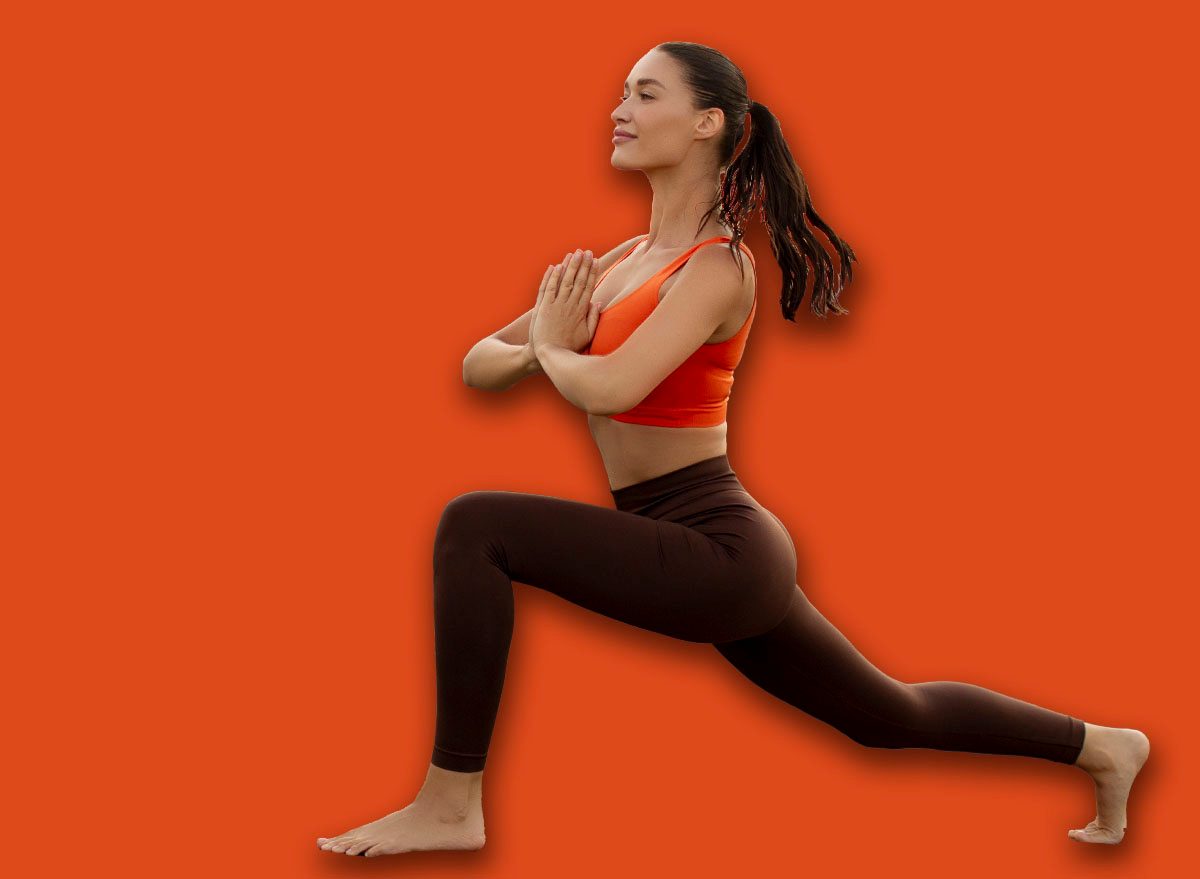
- Take a staggered stance, one foot in front of the other.
- Lower yourself into a shallow lunge, keeping the torso upright.
- Hold this position, ensuring the front knee stays aligned with your toes and does not cave inward.
- Use a wall or counter for balance if necessary.
3. The Glute Bridge: Unlocking Hip Support
The knees are often the "victim" of weak hips. When the glutes are dormant, the hamstrings and quadriceps struggle to keep the knee tracking correctly.
Why it works: The glute bridge shifts the load to the posterior chain, allowing the legs to recover from standing while still strengthening the muscles that control leg alignment.
Execution:
- Lie flat on your back with knees bent and feet hip-width apart.
- Engage your core and squeeze your glutes to lift your hips toward the ceiling.
- Pause at the top for two seconds, ensuring you do not hyperextend your lower back.
- Lower slowly to the starting position.
4. Bodyweight Box Squats: Controlled Depth
The box squat is the gold standard for teaching proper squat mechanics. It provides a tangible "target," preventing the tendency to drop too low or lose form.
Why it works: By setting the box to a height that feels comfortable, you remove the fear of "getting stuck" at the bottom of a squat, allowing you to build confidence and strength progressively.
Execution:
- Stand with your back to a sturdy chair or box.
- Hinge at the hips and lower yourself until you lightly tap the box.
- Maintain a neutral spine and keep your weight evenly distributed across your feet.
- Return to a standing position using the power of your hips and thighs.
Supporting Data and Clinical Perspectives
Recent studies published in journals such as the National Center for Biotechnology Information (NCBI) reinforce that targeted resistance training is the primary intervention for long-term knee health. In a study regarding knee joint stability, researchers noted that individuals who engaged in moderate resistance training saw a 25% reduction in perceived joint pain over a 12-week period.
The "joint-friendly" approach is predicated on the principle of progressive overload. This means you do not start with high volume or heavy resistance. Instead, you start with two rounds of the exercises above, focusing entirely on "clean" reps—movements that feel smooth, intentional, and pain-free. As your knees become accustomed to the load, you can increase the volume to three rounds.
Implications for Long-Term Mobility
The implications of this morning routine go far beyond knee health. Improving the strength of the lower extremities has a profound impact on fall prevention, balance, and independence. As we age, the fear of "instability" often leads to a sedentary lifestyle, which paradoxically makes the joints stiffer and weaker.
By breaking this cycle with five to ten minutes of morning effort, you are not just exercising; you are investing in your autonomy. The objective is to reach a point where you no longer have to "guard" your movements. When the muscles are strong, the brain feels confident sending signals to the legs, allowing you to move through the world with ease and fluidity.
Final Expert Recommendations
For those just beginning this journey, keep these professional tips in mind:
- Listen to the Joint: If an exercise causes sharp, stinging pain, stop immediately. Adjust the height of your box or reduce the depth of your hold.
- Consistency Over Intensity: It is far better to perform two rounds three times a week than to perform five rounds once and be too sore to move the next day.
- Use Support: There is no shame in using a countertop for balance. The goal is to build strength in the legs, not to test your equilibrium.
- Hydration and Nutrition: Remember that joint health is also systemic. Staying hydrated keeps the cartilage healthy, and a diet rich in anti-inflammatory nutrients supports the recovery of the tissues you are working.
As you incorporate these movements into your daily rhythm, observe the changes in your "first-step" experience. Over time, you will likely find that the stiffness that once dictated your morning becomes a distant memory, replaced by the quiet confidence of a body that is ready to move.