









In the contemporary American workforce, a quiet but profound transformation is taking place. Millions of employees are walking through office doors—or logging onto virtual platforms—while simultaneously navigating the complex, often overwhelming responsibilities of caring for aging parents, ailing spouses, or children. As we observe Employee Wellness Month this June, it is time to bring this "invisible" workforce into the light.
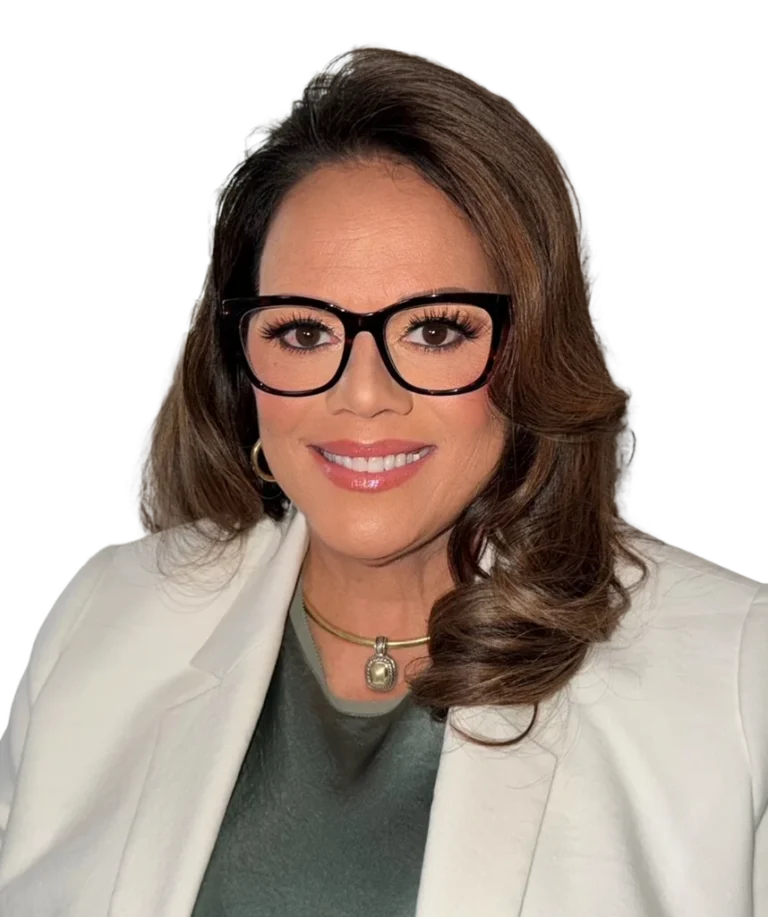
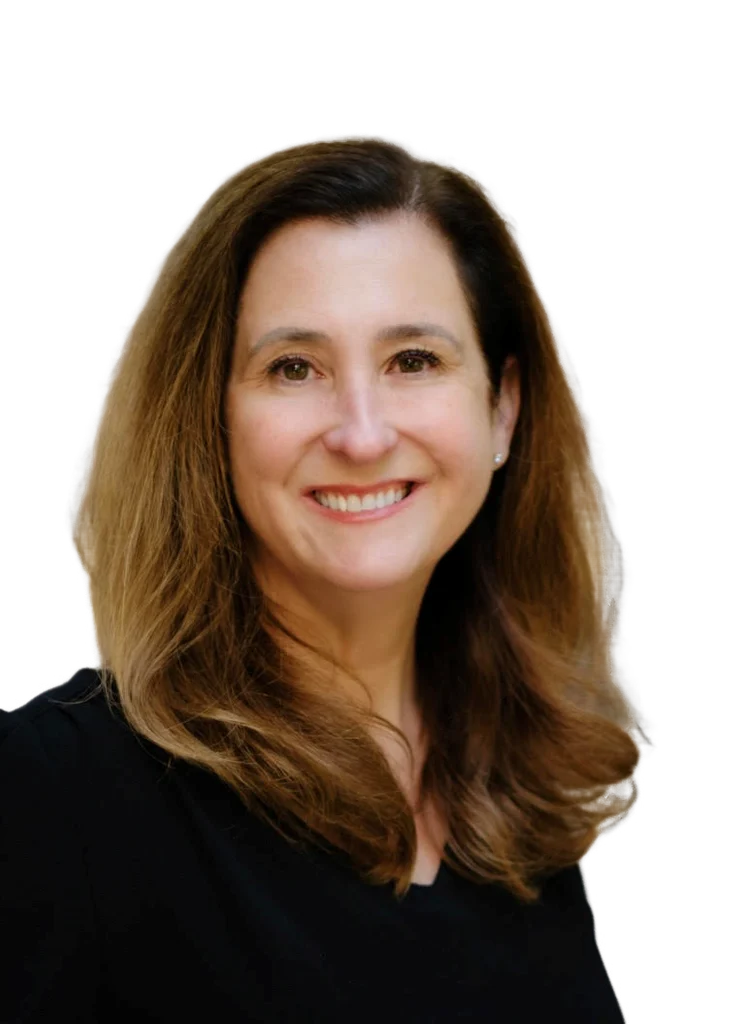
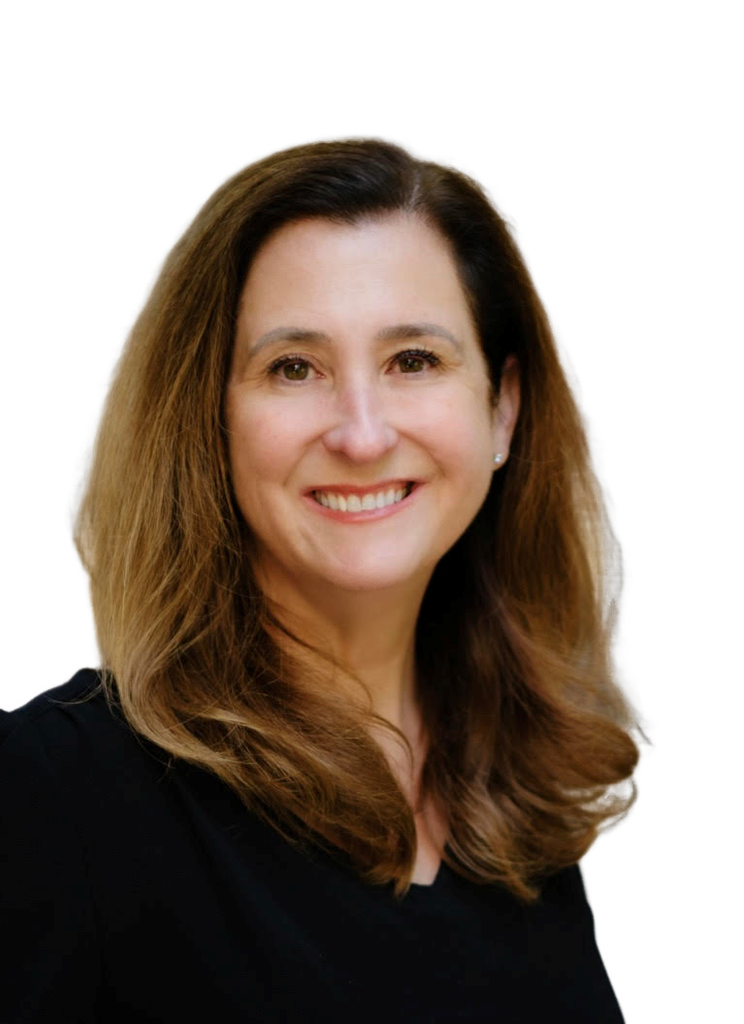
In the latest installment of the Caregiving Club On Air podcast (Season 6, Episode 72), host Sherri Snelling—a nationally recognized corporate gerontologist and author—sits down with Melissa Fisher of Kaiser Permanente to unpack the challenges and triumphs of being a professional caregiver.
The Scope of the Caregiving Crisis
The statistics surrounding the American caregiving landscape are staggering. According to recent data, 63 million Americans currently provide care for an adult loved one. Perhaps most notably, seven in ten of these individuals are balancing these duties with full-time or part-time employment.
When broken down by workplace demographics, the numbers are even more striking:
- 1 in 5 employees are currently acting as caregivers for adults.
- 1 in 3 employees are responsible for the care of loved ones across all ages, including children.
This group is frequently referred to as the "Sandwich Generation." These individuals are caught in a relentless balancing act: managing the developmental needs of their children while simultaneously serving as primary advocates and providers for aging parents or grandparents—all while maintaining their professional output.
A Personal Journey: The Intersection of Career and Care
The conversation between Sherri Snelling and Melissa Fisher was born from a high-level panel discussion hosted by the National Conflict Resolution Center (NCRC). The session, aimed at HR executives, sought to address the systemic gaps in workplace support for caregivers.
Melissa Fisher, who brings both her professional expertise at Kaiser Permanente and her personal experience to the table, provides a roadmap for those currently "in the thick of it." Having balanced the care of her parents, a beloved aunt, and her own children, Fisher understands that caregiving is not a temporary phase, but a long-term commitment that requires structural support from employers. Her insights during the podcast emphasize that for many, caregiving is a multifaceted journey that requires empathy, flexibility, and proactive communication.
The Role of Employer Resource Groups (ERGs)
A recurring theme in the discussion is the rise of Employer Resource Groups (ERGs)—also known as Business Resource Groups (BRGs) or affinity groups—dedicated to lifespan caregiving.
For many organizations, the shift from a "benefits checklist" mentality to a "culture of care" starts with these groups. ERGs provide a safe harbor for employees to share resources, vent frustrations, and advocate for policy changes. When employees feel seen and supported by their peers and leadership, retention rates rise and burnout rates decline.
Sherri Snelling notes that companies that fail to support caregivers are effectively ignoring a significant portion of their talent pool. "The future of the workforce depends on our ability to integrate caregiving into the professional ecosystem," Snelling explains. Her research indicates that when employers provide training for managers to recognize the signs of caregiver stress, the entire organizational culture shifts toward higher productivity and employee loyalty.
Chronology of a Changing Landscape
The recognition of the "caregiver employee" has evolved significantly over the last decade:
- Pre-2010: Caregiving was largely viewed as a private, domestic matter with little to no interaction with professional responsibilities.
- 2010–2019: The rise of the Sandwich Generation concept began to enter the corporate discourse. Companies started experimenting with flexible hours and basic EAP (Employee Assistance Program) referrals.
- 2020–2023: The global pandemic acted as a massive accelerant. With schools closed and eldercare facilities restricted, the reality of the home-work collision became impossible for leadership to ignore.
- 2024–Present: We are now in the era of "intentional support." Forward-thinking companies are formalizing caregiving leave, subsidizing care costs, and implementing robust ERG programs as a core component of their DEI (Diversity, Equity, and Inclusion) and wellness initiatives.
Supporting Data: Why Employers Must Act
The business case for supporting caregivers is no longer anecdotal; it is data-driven. Studies consistently show that caregivers who lack workplace support are more likely to:
- Experience "presenteeism" (being at work but unable to focus).
- Take unplanned leaves of absence.
- Quit their jobs entirely to handle caregiving crises.
Conversely, companies that implement caregiver-friendly policies see a decrease in turnover costs. Replacing a skilled employee can cost anywhere from 50% to 200% of their annual salary; therefore, providing flexibility is not just a moral imperative—it is a fiscal one.
Official Responses and Industry Shifts
HR leaders across the country are currently grappling with how to scale these support systems. The NCRC and other organizations are providing the framework for these leaders to move beyond one-size-fits-all solutions. As Snelling highlights in her various publications, including her contributions to Forbes and PBS Next Avenue, the diversity of caregiving needs—from neurodivergent children to dementia-stricken parents—requires a menu of options rather than a single policy.
Kaiser Permanente’s approach, as discussed by Fisher, underscores the importance of a top-down culture shift where leadership models the behavior of balancing work and life. When executives speak openly about their own caregiving challenges, it destigmatizes the struggle, allowing employees to ask for the help they need without fear of professional repercussions.
Implications for the Future
The implications for the modern workplace are clear: the companies that win the war for talent will be those that view their employees as "whole people."
The Caregiving Club On Air podcast, which recently hit the #3 spot on Feedspot’s list of top caregiving podcasts, serves as a testament to the growing interest in this topic. By expanding their outreach to YouTube with the "Caregiving Club News" program, the team is ensuring that these critical resources are accessible to as many people as possible.
As we continue through Employee Wellness Month, we must ask: Is our workplace designed for the worker of the 21st century, or are we still relying on 20th-century models that assume a clear divide between home and office? The answer lies in our willingness to adapt.
Resources for the Journey
For those seeking to navigate this path, the following resources remain essential:
- The Elder Care Locator (1-800-677-1116): A government-funded service that connects caregivers with local support agencies.
- "Self-Care in 7 Minutes": A video series designed to provide quick, actionable wellness strategies for those with limited time.
- "Me Time Monday": Sherri Snelling’s book and workshop series, which focuses on the psychological necessity of self-care for family caregivers.
- Professional Articles: For those in HR or management, resources like "Caregiver Training for Managers" and "The Future of Caregiving in the Workplace" provide the necessary data to build a business case for internal reform.
As we look toward the future, the integration of caregiving support into the corporate wellness fabric is not just a "nice to have"—it is the bedrock of a resilient, sustainable workforce. Whether you are an employee feeling the pressure of the sandwich generation or an employer looking to improve your retention rates, the journey toward better care starts with a single, honest conversation.

To listen to the full episode with Melissa Fisher or to catch up on the latest news, subscribe to the "Caregiving Club On Air" podcast on Apple Podcasts, Spotify, or the Caregiving Club YouTube channel.