The clinical data is unequivocal, the statistical trends are deeply concerning, and for mental health professionals across the United States, the outlook remains shrouded in uncertainty. While the physical threat of COVID-19 has transitioned into a manageable phase of public health, a secondary crisis—a "silent pandemic" of psychological distress—continues to surge in its wake.
Since the initial lockdowns of early 2020, researchers have been sounding the alarm on a precipitous decline in national well-being. What began as a temporary reaction to isolation and fear has evolved into a persistent elevation of depression, anxiety, and suicidal ideation. As the nation grapples with the long-term implications of this shift, experts are calling for a fundamental restructuring of how the American healthcare system approaches mental wellness.
Main Facts: A Nation Under Psychological Siege
The scale of the current mental health crisis is unprecedented in the era of modern psychometric tracking. According to the COVID States Project—a massive, multi-university initiative involving researchers from Harvard, Northeastern, Northwestern, and Rutgers—the prevalence of depressive symptoms among Americans has reached levels that would historically trigger mass clinical intervention.
Key findings from the ongoing research include:
- Persistent Depression: Approximately 28% of the American population reports symptoms of depression severe enough to warrant clinical referral. This is nearly three times the rate observed in the pre-pandemic era.
- Pervasive Anxiety: Anxiety rates remain stuck at 25%, a marginal improvement from the 28% peak in late 2020, but still far above historical norms.
- Suicidal Ideation: Perhaps most alarming is that 23% of survey respondents reported experiencing thoughts of suicide at least occasionally.
- Demographic Disparity: The crisis is not distributed equally. Young adults (ages 18–24) are the hardest hit, with a staggering 42% meeting the criteria for moderate to severe depression. In contrast, those aged 65 and older have shown the most resilience, with only 10% reporting similar levels of distress.
These figures suggest that the mental health impact of the pandemic is not a "transient" phase that will vanish with the lifting of mask mandates. Instead, it represents a structural shift in the collective psyche of the nation.
Chronology: From Acute Shock to Chronic Distress
To understand the current state of mental health, one must look at the trajectory of the crisis over the last several years. The psychological toll has followed a distinct, albeit non-linear, path.
The Initial Shock (Spring 2020)
In the early months of the pandemic, mental health indicators plummeted as the "low" of late June 2020 saw depression rates at 25%. This period was defined by acute stress: the sudden loss of employment, the fear of a mysterious virus, and the abrupt termination of social support networks.
The Winter Peak (December 2020)
The crisis reached its statistical zenith in December 2020. A "perfect storm" of factors—the holiday season, a massive winter surge in COVID-19 cases, and "quarantine fatigue"—pushed depression rates to a record high of 30%. During this period, nearly one in three Americans was struggling with significant depressive symptoms.
The Stagnant Recovery (2021–Present)
As vaccines became widely available and the economy reopened, many expected a rapid "bounce back" in mental health. However, the data tells a different story. While the depression rate dipped slightly to 28% by mid-2021, it has remained largely stagnant. This suggests that the "natural recovery" typically seen after disasters is being hampered by secondary stressors: inflation, social polarization, and the long-term disruption of developmental milestones for younger generations.
Supporting Data: Vulnerable Populations and the Pediatric Crisis
While the national averages are startling, the data becomes even more granular when examining specific age groups and the healthcare infrastructure’s response.
The Youth Mental Health Emergency
One of the most distressing data points involves children and adolescents. A study published by researchers at the Children’s Hospital of Philadelphia (CHOP) highlighted a disturbing trend: while overall emergency department (ED) visits decreased during the pandemic, the proportion of those visits related to mental health emergencies spiked.
Dr. Polina Krass, a pediatrician at CHOP and the lead author of the study, noted that not only were more children coming to the ED for psychiatric reasons, but a higher percentage required inpatient hospitalization compared to pre-pandemic times. "Prior to the COVID-19 pandemic, youth mental health conditions were increasing in prevalence and severity," Dr. Krass stated. "COVID-19 has further exacerbated these trends."
The "Dynamic Life" Factor
The disparity between young adults and the elderly offers a window into the causes of this crisis. David Lazer, a professor of political science and computer sciences at Northeastern University, suggests that the "dynamic" nature of young adulthood makes this cohort particularly vulnerable.
"Younger adults are finishing school, getting a job, starting a family—all things that are more likely to be disrupted by the pandemic," Lazer explained. For an 18-year-old, a two-year disruption represents a massive percentage of their conscious life and a derailment of critical social development. For a 70-year-old, whose life is often more stable and whose social circles are more established, the disruption, while difficult, may not be as foundational.
Inequity and Social Determinants
The data also reveals "stark inequities" in how mental health care is accessed. Minority communities, which bore a disproportionate burden of COVID-19 infections and deaths, also face the highest barriers to mental health support. Dr. Krass emphasized that systemic issues—such as community violence, structural racism, and economic instability—act as "social determinants" that amplify the psychological trauma of the pandemic.
Official Responses: Strategies for Individual and Systemic Recovery
In response to these sobering statistics, health officials and policymakers are moving on two fronts: individual resilience and legislative reform.
The NIMH Perspective: Natural Recovery vs. Clinical Need
Susan Borja, Chief of the National Institute of Mental Health’s (NIMH) Dimensional Traumatic Stress Research Program, offers a nuanced view of the path forward. She notes that while many people experience symptoms after a mass disaster, "natural recovery" is the norm for the majority.
"Increased symptoms exist along a continuum," Borja explained. "Many people may experience symptoms, but those symptoms may not consistently rise to the level of severity or impairment required for a diagnosis." However, she acknowledges that a "significant minority" will require professional intervention to achieve a full recovery.
Individual Agency and Coping Mechanisms
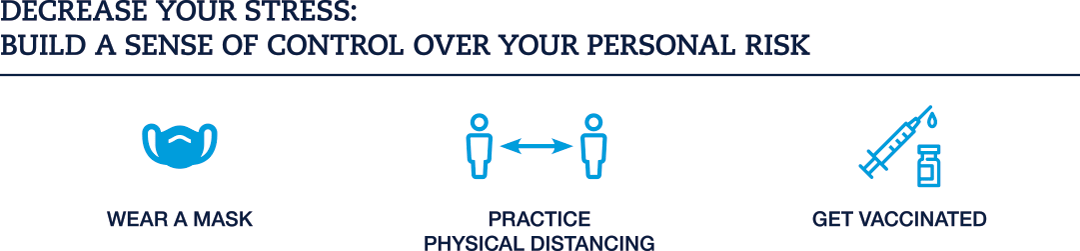
To bridge the gap until systemic changes take hold, health officials are emphasizing individual "protective factors." Borja suggests that regaining a sense of control is vital. This includes:
- Active Participation: Engaging in public health measures (vaccination, sensible distancing) to reduce the feeling of helplessness.
- Routine Maintenance: Establishing predictable daily schedules for sleep, exercise, and nutrition.
- Healthy Coping: Avoiding "maladaptive" behaviors, such as increased substance use, in favor of social connection and physical activity.
Legislative Action: S. 1902
On a systemic level, the Behavioral Health Crisis Services Expansion Act (S. 1902) represents a major policy push. This legislation aims to set national standards for behavioral health services, ensuring they are available to all citizens regardless of their age or ability to pay. By expanding the "care continuum," the bill seeks to move mental health care out of the emergency room and into more appropriate, preventative community settings.
Implications: Turning a Crisis into a Catalyst for Change
The current data suggests that the United States is at a crossroads. The "return to normal" in the economic sense has not been mirrored in the mental health of the citizenry. However, there is a growing consensus that the visibility of this crisis could be the catalyst for long-overdue reforms.
The Silver Lining of Visibility
Susan Borja points out that if there is any "silver lining" to the pandemic, it is the increased recognition that mental health is a fundamental pillar of public health. The stigma that once shrouded depression and anxiety has been partially dismantled by the sheer universality of the pandemic experience. This "general awareness" is a prerequisite for the large-scale funding and policy shifts required to fix a broken system.
The Need for Systemic Overhaul
For experts like Dr. Krass, awareness is only the first step. True recovery requires addressing the root causes of the shortage in mental healthcare. This includes:
- Increased Research Funding: Moving beyond "one-size-fits-all" treatments to understand the specific traumatic triggers of the pandemic era.
- Addressing Social Determinants: Recognizing that mental health cannot be separated from housing stability, food security, and racial justice.
- Broadening Access: Ensuring that the "shortage of providers" is addressed through student loan forgiveness for mental health professionals and the expansion of telehealth services.
A Call to Action
As the COVID States Project continues to track these numbers, the message to policymakers is clear: the mental health crisis is not a lagging indicator that will resolve itself. It is a primary public health challenge that requires the same level of urgency, funding, and scientific rigor that was applied to the development of the COVID-19 vaccine.
"There is a lot of work to be done," Dr. Krass concluded. "I hope we can leverage this moment to start to make constructive changes." The numbers may be worrying, and the outlook may be uncertain, but the path forward—built on equity, access, and resilience—is becoming increasingly clear. If the nation can treat the mental health crisis with the same seriousness as the viral one, the "silent pandemic" may finally be met with a voice loud enough to spark real change.