





Published September 30, 2026
For many, the concept of "joy" is tethered to the external—a promotion, a successful milestone, or the absence of physical ailment. However, for those navigating life-altering trauma or chronic physical challenges, the pursuit of happiness as a circumstantial byproduct can feel like an elusive, perhaps even cruel, endeavor. A new approach to somatic wellness, championed by practitioners of adaptive yoga, suggests that joy is not a destination to be earned, but an intrinsic state of being that remains accessible even when life’s foundations shift.
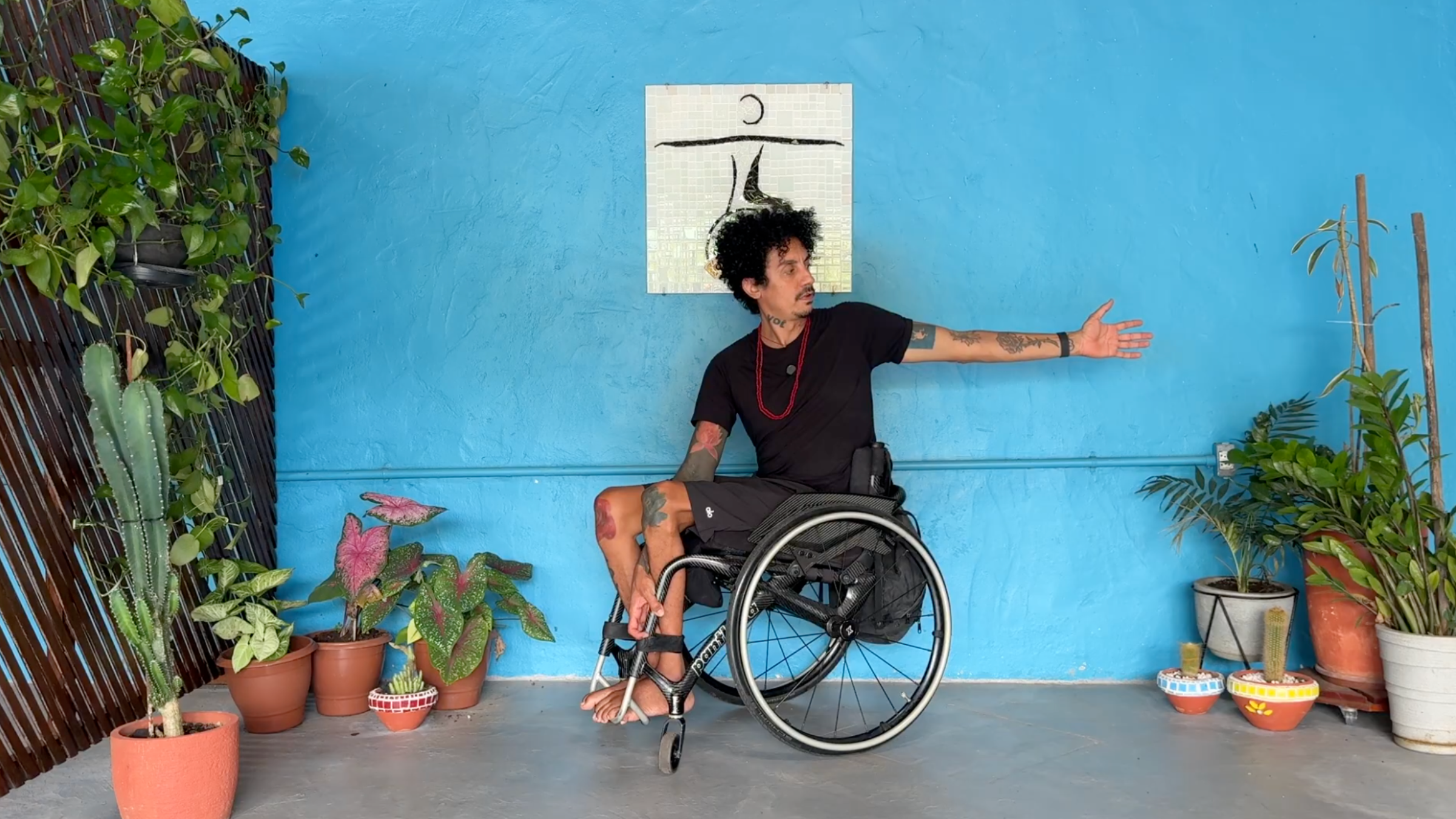
The philosophy behind this practice is simple yet profound: joy is an inherent, internal resource that exists beneath the noise of fear, expectation, and physical limitations. By integrating breathwork, mindful movement, and radical self-acceptance, practitioners are finding that the "spacious heart" can hold both grief and gratitude simultaneously.
The Anatomy of Joy: A Shift in Perspective
The journey toward this understanding often begins with a dismantling of old definitions. For years, the narrative surrounding happiness has been one of conditionality. If one is mobile, healthy, and successful, one is expected to be joyful. When that reality is fractured—such as in the case of a spinal cord injury leading to paralysis—the common assumption is that joy must be forfeited alongside one’s former lifestyle.
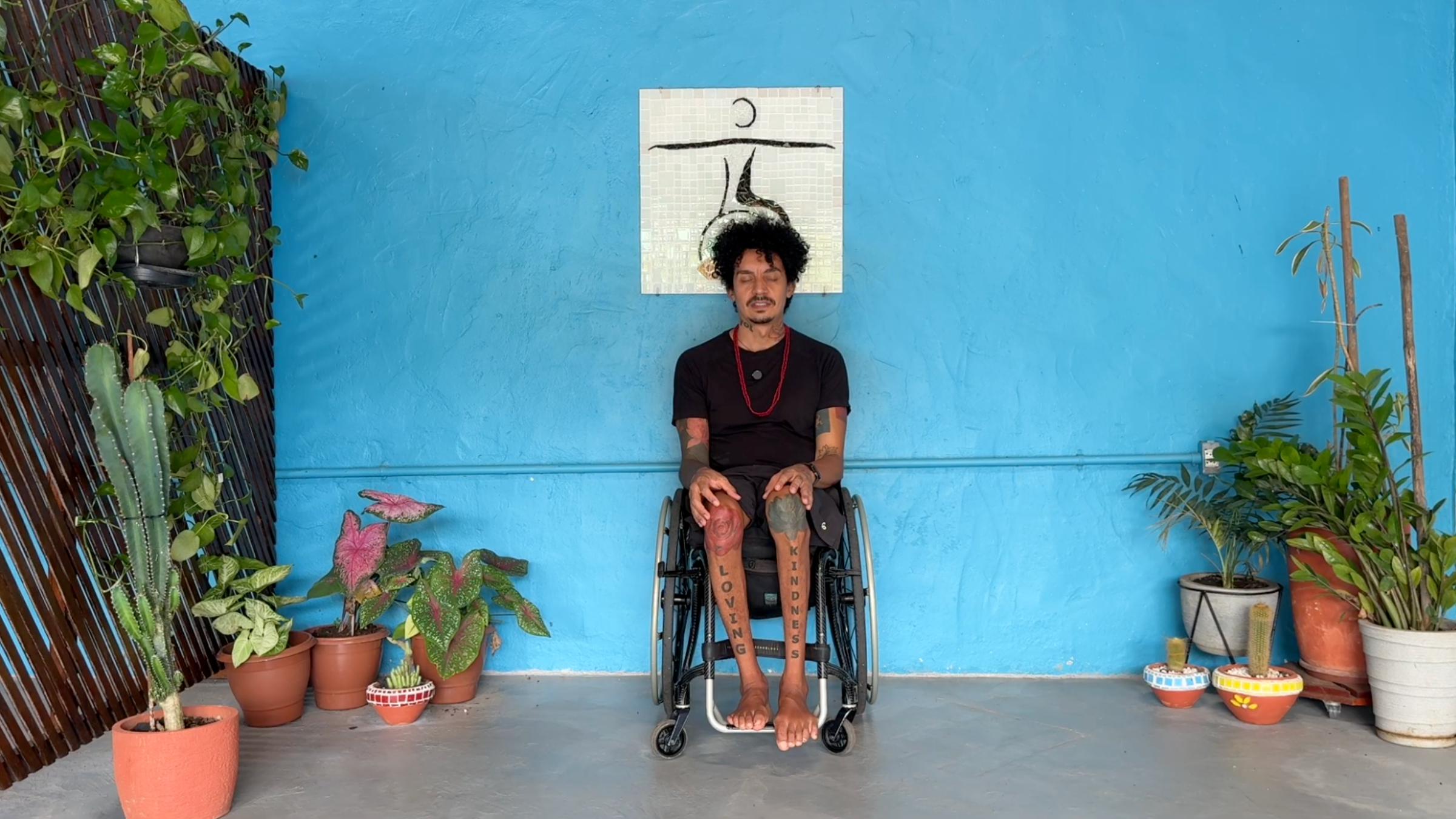
"Before my accident, it was easy to imagine happiness as something connected to my circumstances: what my body could do, where I could go, what I could accomplish," shares one practitioner who has become a leading voice in the adaptive yoga community. "Then my body changed completely. There was grief. There was pain. There was a life I had known that was suddenly gone."
However, through the lens of yogic philosophy—specifically the concept of ananda, or deep, abiding bliss—the narrative changes. Ananda is not a state of perpetual euphoria or an instruction to mask suffering with a smile. Instead, it is described as a quiet, unchanging place beneath the surface of life’s turbulent circumstances. It is the realization that one does not need to escape sadness to reach joy; one simply needs to become present enough to notice that sadness is not the only thing present.
Chronology of the Practice: From Trauma to Integration
The development of adaptive yoga as a therapeutic tool has evolved significantly over the last decade. While yoga has long been recognized for its physical benefits, the focus on "radical presence" marks a turning point in how it is used for psychological rehabilitation.
- The Phase of Disruption: The initial period following a life-altering injury is often dominated by grief. Conventional physical therapy focuses on the mechanics of the body, but adaptive yoga addresses the cognitive dissonance between the "past self" and the "present self."
- The Phase of Somatic Exploration: As practitioners begin to bring attention to their breath, they move from a place of judgment toward a place of curiosity. By inhabiting the body—regardless of its level of mobility—the practitioner begins to map sensations that were previously overlooked: warmth, the rhythm of breathing, or the simple grounding sensation of sitting.
- The Phase of Coexistence: The breakthrough occurs when the practitioner realizes that joy and grief are not mutually exclusive. The heart is identified as a spacious container capable of holding multiple truths. It is here that the practice transitions from mere exercise to a profound act of emotional reconciliation.
Supporting Data: The Neuroscience of Presence
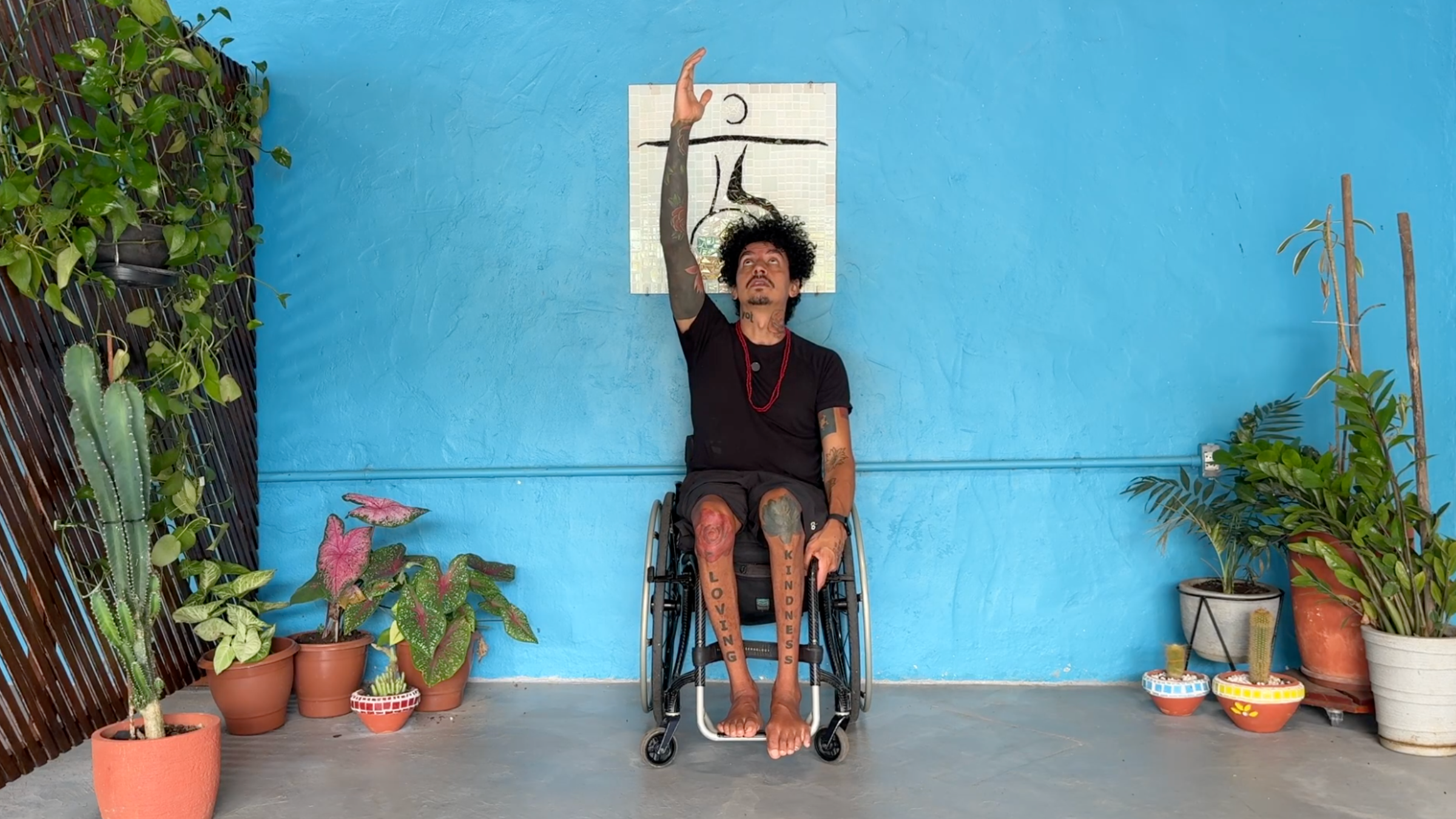
While the spiritual components of this practice are subjective, the physiological impacts of chair-based adaptive yoga are supported by emerging wellness research. The "Sun Breath" technique, for example, is not merely a symbolic gesture; it is a clinical tool for nervous system regulation.
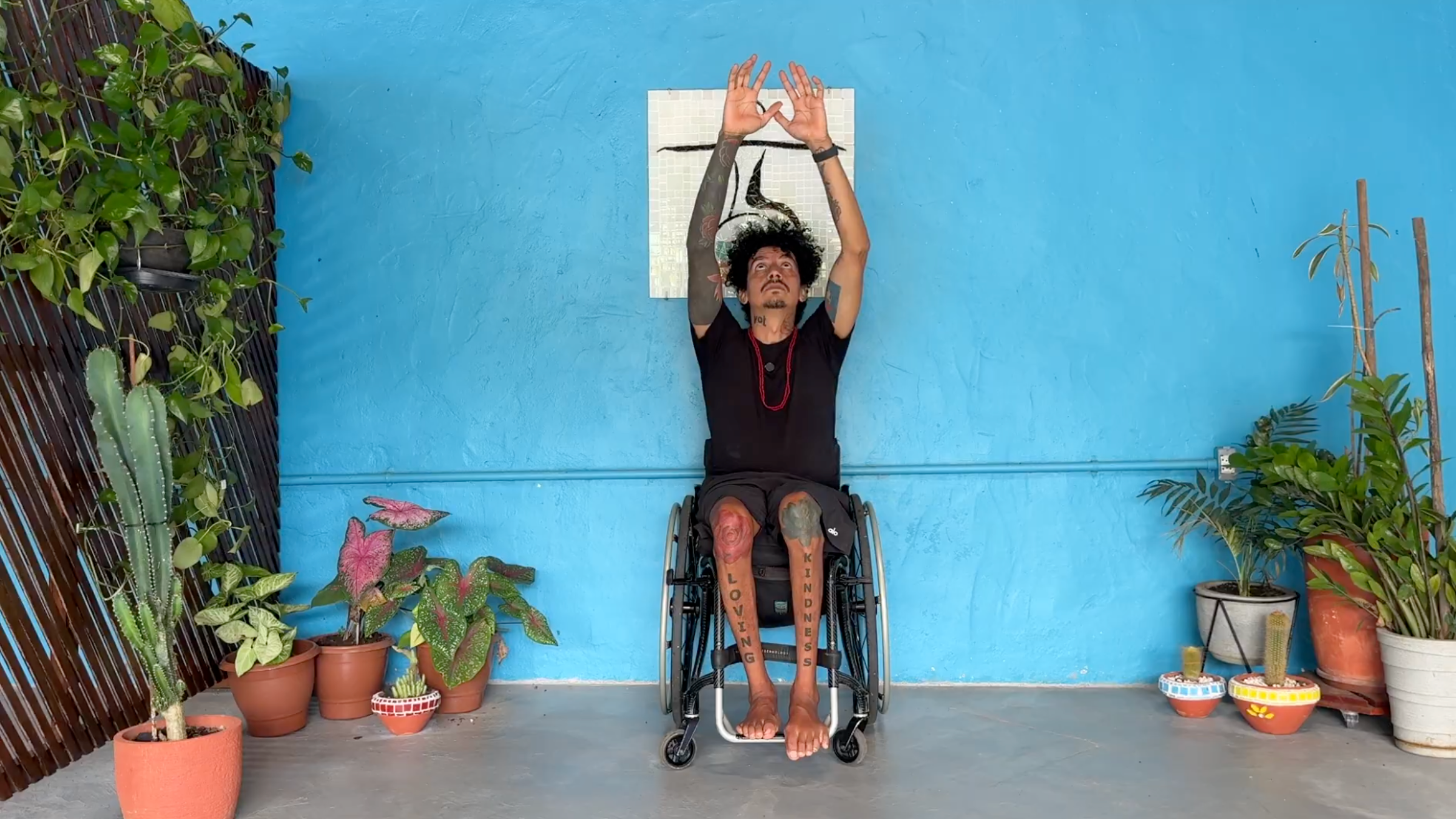
By synchronizing movement with slow, pursed-lip exhalations—often likened to blowing out candles on a birthday cake—practitioners engage the parasympathetic nervous system. This "downregulation" helps to move the body out of a state of fight-or-flight, which is often the default setting for individuals living with chronic pain or trauma.
Studies in psychosomatic wellness indicate that when an individual focuses on the breath and makes conscious, micro-movements, the brain begins to remap its sensory inputs. This reduces the "noise" of physical distress and allows for the emergence of smaller, more subtle markers of well-being, such as the warmth of sunlight or the support of a chair frame.
Official Perspectives: The Role of Accessibility
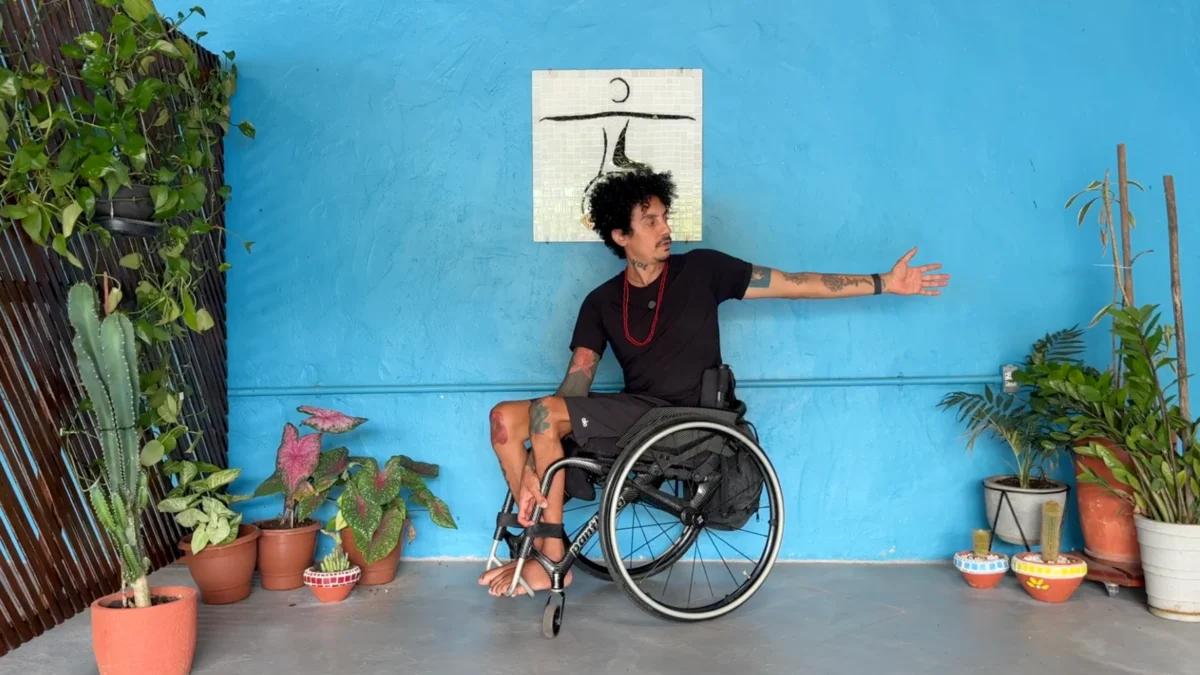
Leading adaptive yoga instructors emphasize that the practice is, by definition, inclusive. The "accessible" aspect of the practice is not a concession; it is the core of the methodology.
"If any part of the practice is not available to you, I would love for you to visualize it," instructors often advise. "You don’t need to move. That’s also yoga."
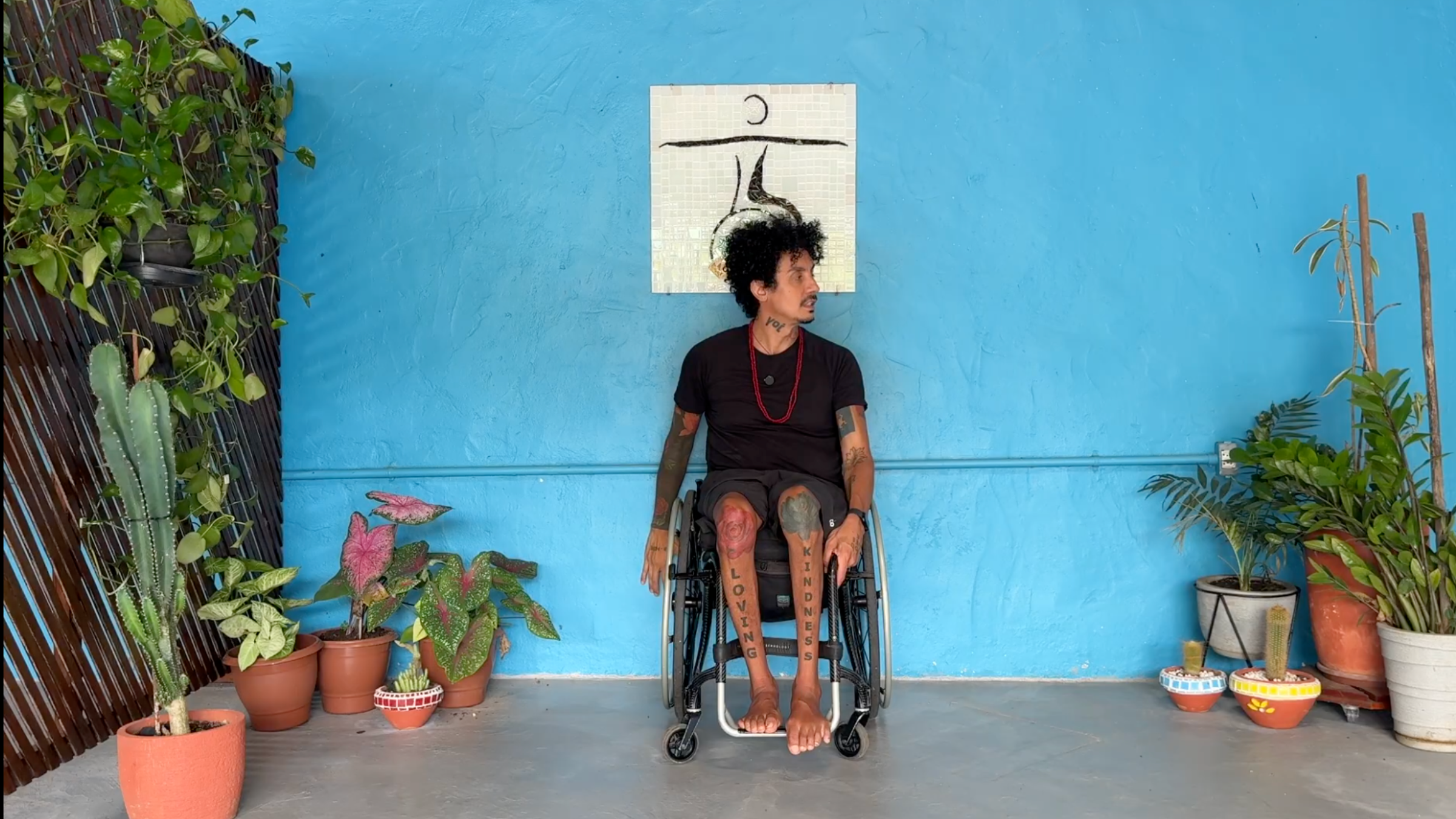
This perspective shifts the goal of the practice from physical performance to internal awareness. By removing the requirement of specific poses or athletic prowess, the practice becomes accessible to those with varying degrees of paralysis, mobility impairments, or chronic fatigue. The "official" stance within this community is that the body is the laboratory, and the mind is the observer. If a limb cannot move, the intent to move, coupled with the breath, creates the same neural pathway activation necessary for meditative states.
Implications for the Future of Wellness
The implications of this shift are far-reaching. As society continues to grapple with high rates of trauma and the isolating nature of chronic illness, the "joy-centered" approach offers a sustainable model for mental health.
Redefining Success in Rehabilitation
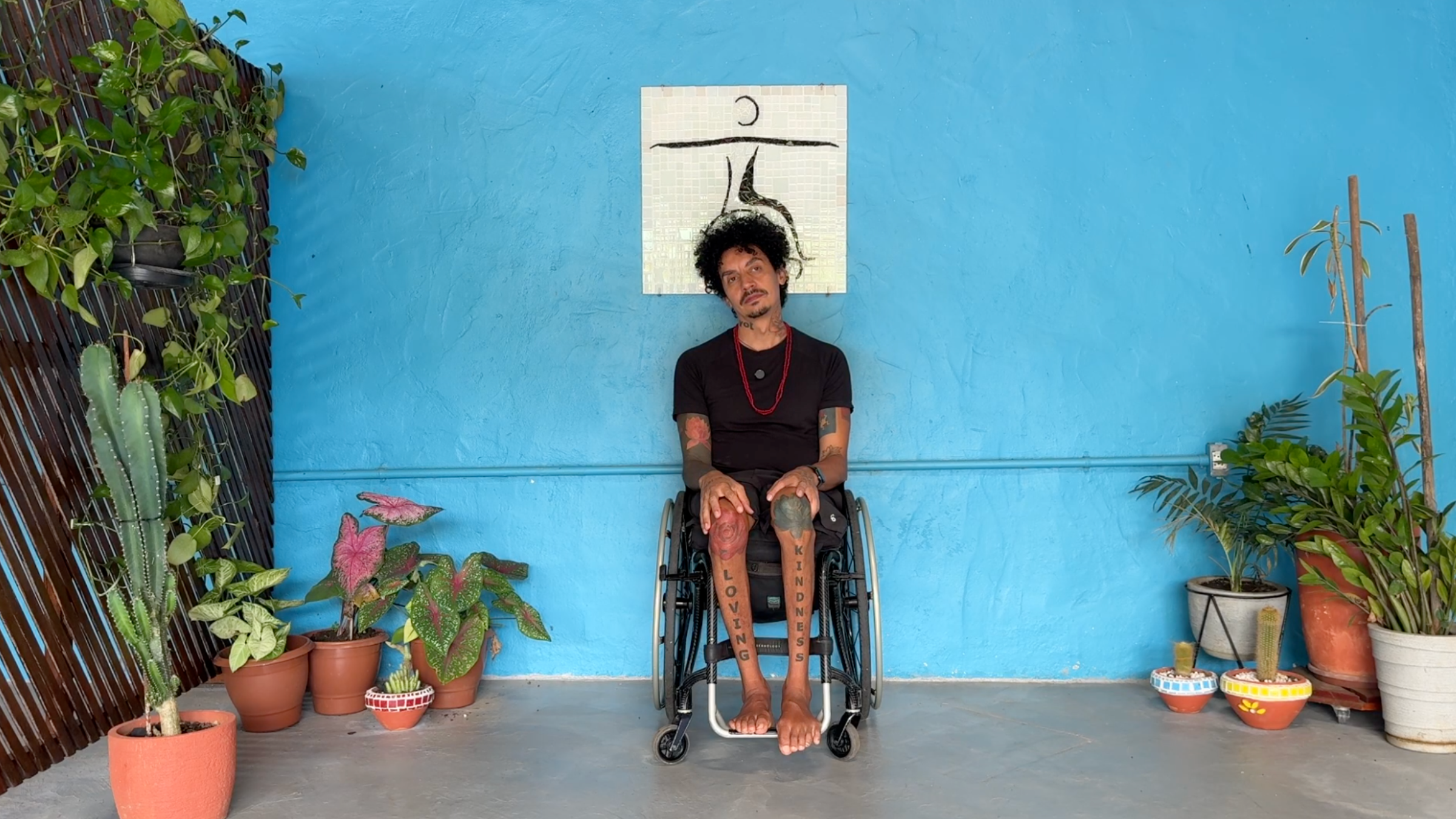
Traditional rehabilitation often focuses on "fixing" the body. While this is vital for physical health, adaptive yoga suggests that rehabilitation is incomplete without addressing the emotional landscape. By teaching individuals to find joy within their current reality rather than waiting for a "return to normal," practitioners are finding higher rates of long-term emotional resilience.
The Power of Community and Shared Truth
The communal aspect of adaptive yoga—practicing together, acknowledging pain together, and choosing to hold space for joy together—creates a support structure that is difficult to replicate in clinical settings. When one person speaks of the scent of rain or the feeling of breath, it provides a permission structure for others to acknowledge their own small glimmers of joy.
A New Philosophy of "The Multitudes"
The core takeaway of this movement is that we are made of "multitudes." We are not just our diagnosis, our limitations, or our past accomplishments. We are the sum of our experiences, and we possess the capacity to hold conflicting emotions in a single moment.
As we look toward the future of integrated healthcare, the lessons from the chair-based practice are clear: the most profound movements do not always happen on the mat or in the physical realm. They happen in the quiet space beneath the noise, where we remember that we are still here, we are still breathing, and we are still capable of experiencing the light.
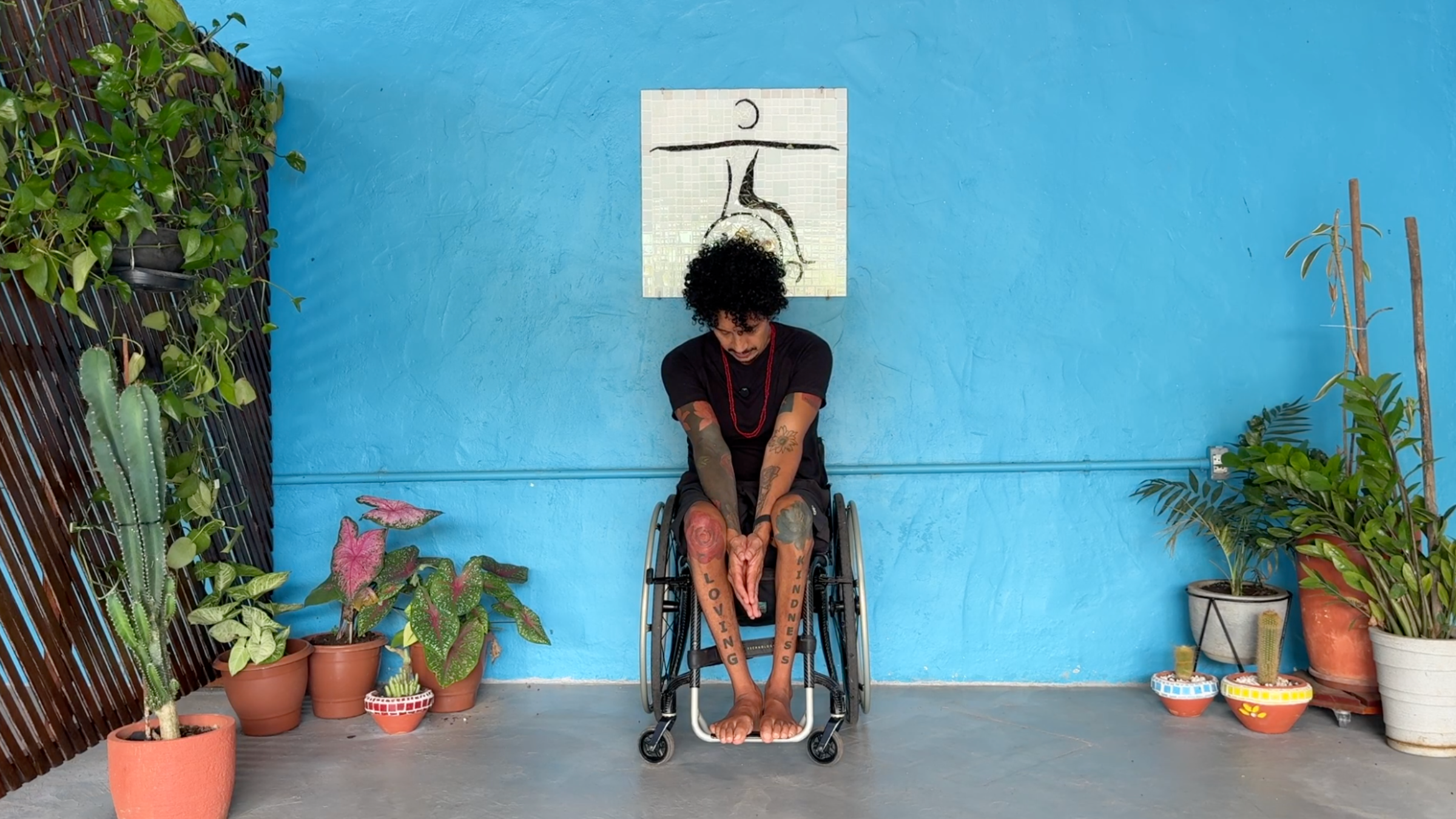
20-Minute Guided Practice Summary
For those looking to integrate these principles, the 20-minute adaptive practice follows a specific, intentional flow:
- Centering (3-5 minutes): Closing the eyes, softening the shoulders, and visualizing a light in the heart center. This is the search for the "seed of joy."
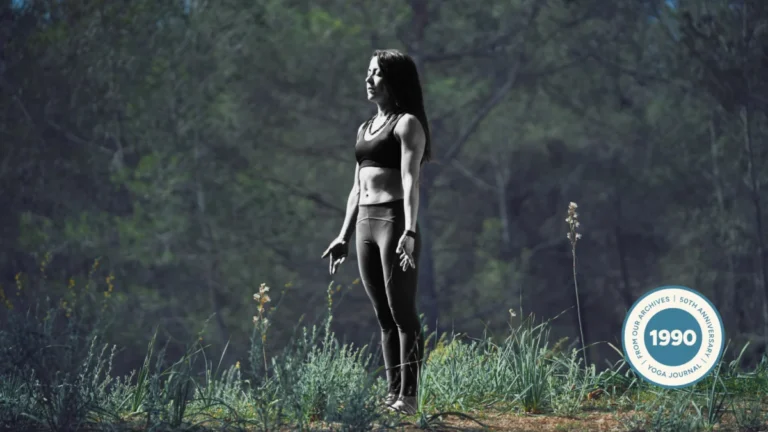
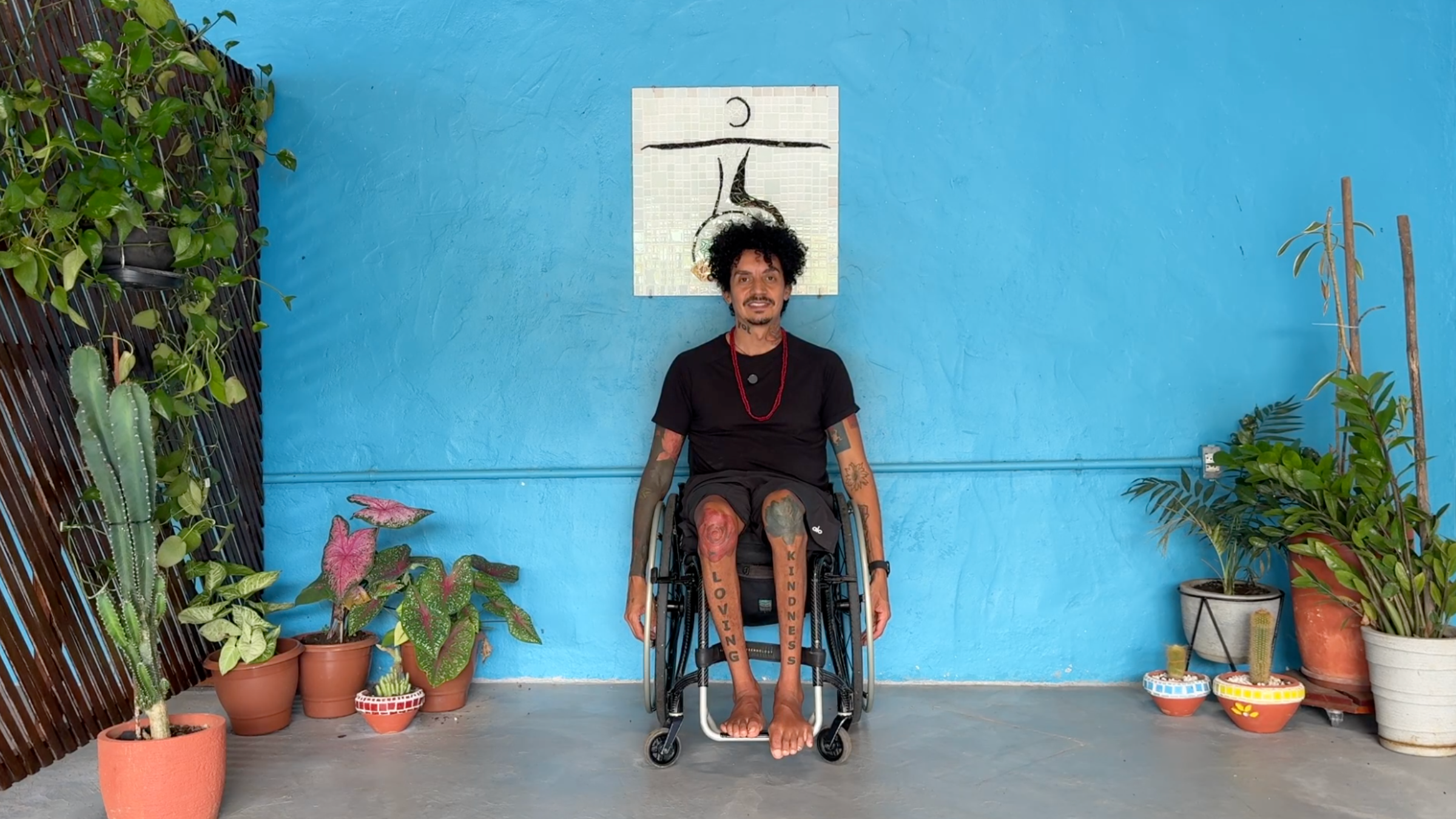
- Mountain Pose (Tadasana): Grounding through the sitting bones, lengthening the spine, and establishing a stable base.
- Sun Breaths (5 rounds): Coordinating arm movements with long, slow exhales to downregulate the nervous system.
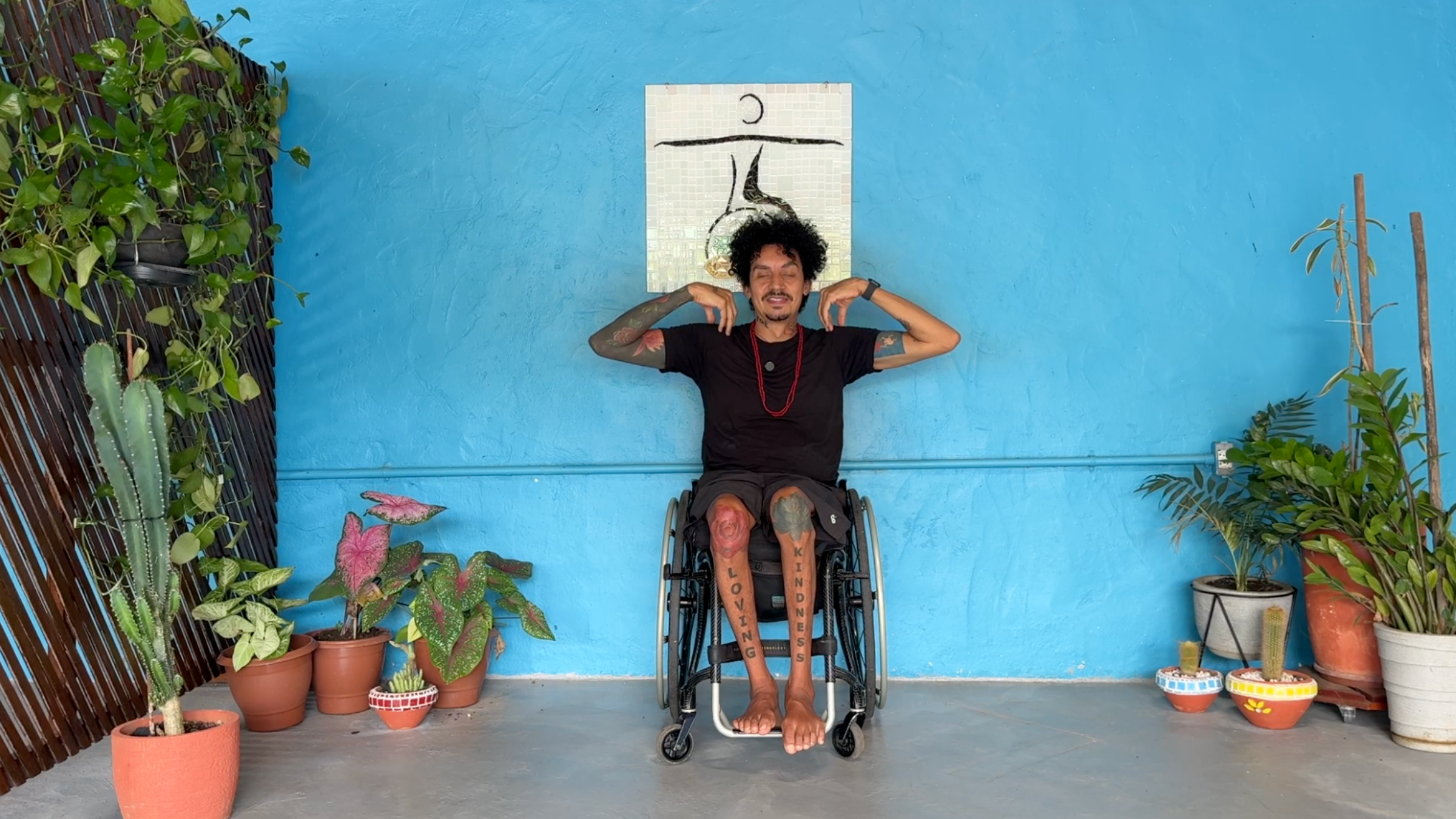
- Neck & Shoulder Stretches: Conscious, gentle movements to release tension held in the upper body, the common storage site for stress.
- Seated Twists & Flexion/Extension (Cat-Cow): Opening the spine to increase circulation and sensory awareness.
- Closing Reflection: A final minute of stillness, focusing on a specific, small sensory experience—like the smell of rain or the warmth of the sun—to cement the feeling of joy before returning to daily life.
In this practice, as in life, the objective is never perfection. It is, and always will be, about the return to the present.