










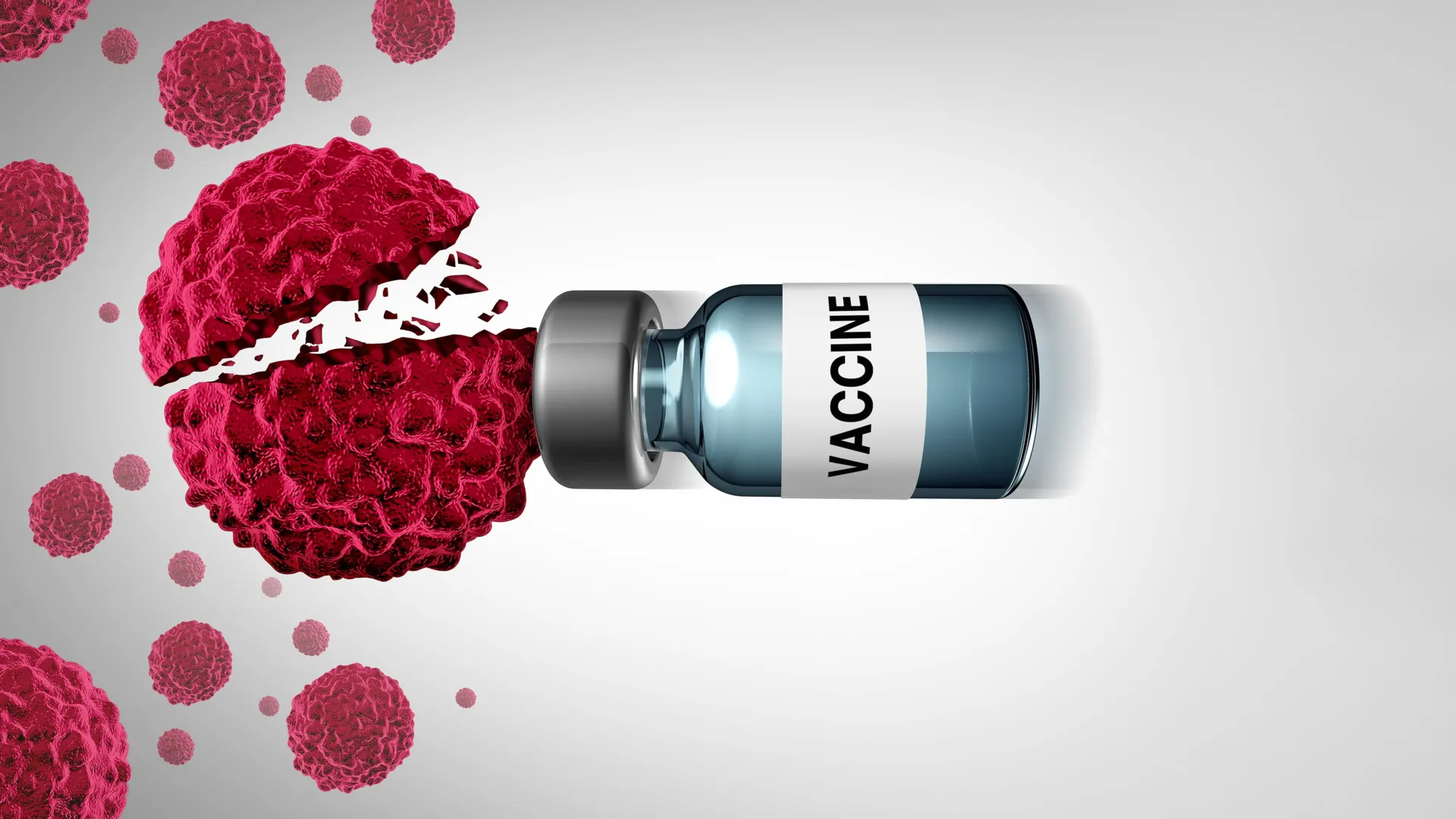
The global success of mRNA vaccines during the COVID-19 pandemic served as a watershed moment for modern medicine. By proving that synthetic messenger RNA could be used to safely "instruct" the human body to produce specific proteins—and subsequently mount a vigorous immune response—the technology effectively revolutionized vaccine science. However, the true promise of this platform was never limited to viral pathogens. Today, researchers are aggressively pivoting this Nobel Prize-winning technology toward the ultimate challenge: cancer.
With experimental mRNA vaccines currently undergoing clinical trials for melanoma, small cell lung cancer, bladder cancer, and other malignancies, the scientific community is on the cusp of a new era. A landmark study from the Washington University School of Medicine in St. Louis has now provided a critical breakthrough in our understanding of how these vaccines function, revealing an unexpected flexibility in the immune system that could be the key to designing more potent, personalized therapies.
The Mechanism: How mRNA Instructs the Body to Fight Cancer
At its core, an mRNA cancer vaccine is an exercise in biological information delivery. The vaccine introduces synthetic genetic instructions into the body. Once inside, these instructions act as a blueprint, telling immune cells to synthesize specific protein fragments—often antigens unique to a patient’s tumor.
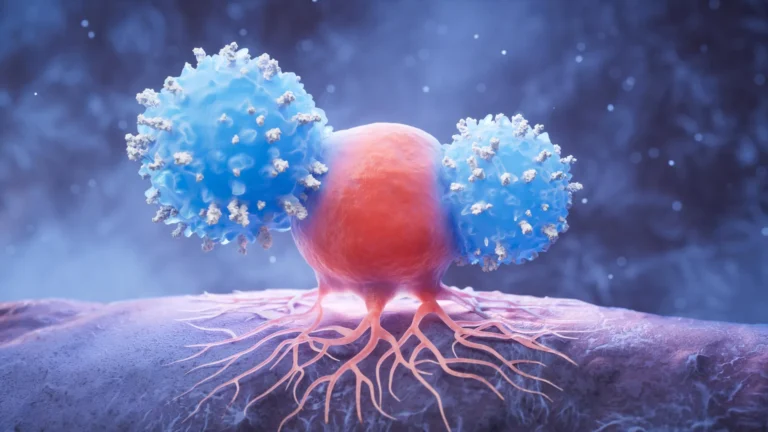
By exposing the immune system to these "tumor-specific" markers, the vaccine trains T cells—the "assassin" cells of the immune system—to recognize these proteins as foreign invaders. Because healthy tissue does not express these unique tumor markers, the T cells can be programmed to seek and destroy cancer cells with high precision, leaving surrounding healthy cells largely unaffected.
Central to this process are dendritic cells (DCs), the "sentinels" of the immune system. For years, the prevailing consensus in immunology was that a specific subset of these cells, known as cDC1, served as the primary, essential gatekeepers for activating T cells. It was believed that without cDC1, the immune system would be unable to effectively "see" the tumor-specific proteins and initiate a killing response.
Chronology of a Discovery: Redefining Immune Coordination
The path to this discovery began with a collaborative effort between two leading experts at Washington University School of Medicine: Dr. Kenneth M. Murphy, a renowned immunologist, and Dr. William E. Gillanders, a surgical oncologist and expert in vaccine development.
The research team sought to stress-test the conventional dogma surrounding cDC1 cells. They utilized advanced mouse models, genetically engineering cohorts that specifically lacked either cDC1 cells or a related subset, the cDC2 cells. By vaccinating these mice with an mRNA cancer vaccine, the team intended to observe how the immune system navigated the absence of these vital components.
The Experimental Phases
- Initial Observation: Researchers administered the vaccine to mice lacking cDC1 cells. Contrary to the existing scientific literature, the mice mounted a robust immune response.
- Tumor Challenge: To test the clinical efficacy of this response, the mice were challenged with sarcoma tumors—an aggressive cancer affecting connective tissues. To the researchers’ surprise, the mice successfully cleared the tumors despite the total absence of cDC1 cells.
- The Pivot to cDC2: With the cDC1 hypothesis invalidated, the team investigated the potential role of cDC2 cells. They discovered that in the absence of cDC1, cDC2 cells were not merely bystanders; they were actively stepping in to fill the void, coordinating the activation of T cells.
- Validation: In subsequent trials, the team found that mice lacking cDC2 cells—as well as those with both subtypes intact—could still reject tumors. This confirmed that the immune system possesses a redundant, highly sophisticated failsafe mechanism involving both cell types.
Supporting Data: The "Cross-Dressing" Mechanism
The study, published in the journal Nature, provides a deep dive into the molecular interaction between these immune cells. The researchers discovered that cDC2 cells operate through an indirect mechanism, a phenomenon dubbed "cross-dressing."
In this process, cDC2 cells do not necessarily manufacture the vaccine-encoded protein themselves. Instead, they interact with other cells that have successfully internalized the mRNA instructions and produced the tumor protein. These donor cells break the protein into fragments and transfer the membrane complex—complete with the antigen—onto the surface of the cDC2 cell.
Once "dressed" in these tumor markers, the cDC2 cells act as effective presenters to T cells. The researchers observed that the T cells activated by cDC1 and cDC2 carry slightly different molecular "fingerprints." This suggests that while both cells are capable of triggering an attack, they may be specialized for different types of tumor-killing tasks, creating a complementary, rather than redundant, system.
Official Responses and Clinical Perspectives
For the researchers at the Siteman Cancer Center, these findings are more than just an academic curiosity; they represent a fundamental shift in how to optimize vaccine efficacy.
"There is a lot of interest in applying the mRNA vaccine approaches used during the COVID-19 pandemic to the problem of inducing anti-tumor immunity," said Dr. Kenneth M. Murphy, the Eugene Opie Centennial Professor of Pathology & Immunology. "By dissecting which immune cells are involved and how they coordinate the response, we’re offering vaccine developers some additional mechanistic insights to consider in their goal of optimizing these vaccines against tumor proteins."
Dr. William E. Gillanders, who has been instrumental in the development of investigational vaccines for triple-negative breast cancer, emphasized the practical implications of this discovery. "This work uncovers a new way mRNA vaccines engage the immune system—through both cDC1 and cDC2—which helps explain their power and gives researchers concrete targets for making future mRNA cancer vaccines more effective."
Gillanders noted that this understanding could solve a long-standing mystery in clinical oncology: why some patients respond dramatically to immunotherapies while others see little to no benefit. "It could improve vaccine formulation and dosing, potentially explain why some patients respond better to vaccines than others and guide strategies for making vaccines more effective," he added.
Implications for Future Cancer Therapeutics
The discovery that the immune system is more resilient and adaptable than previously thought has profound implications for the future of oncology.
1. Refined Vaccine Design
Knowing that both cDC1 and cDC2 play distinct, complementary roles, researchers can now design "cocktail" vaccines that specifically stimulate both populations. By ensuring that both pathways of T-cell activation are engaged, vaccines could achieve higher rates of durable remission.
2. Overcoming Immune Resistance
Many tumors are experts at "hiding" from the immune system by suppressing specific dendritic cell populations. If a tumor successfully inhibits cDC1 cells, the fact that cDC2 cells can step in suggests that future therapies could be engineered to "switch" the immune system’s reliance to the more active pathway, bypassing tumor-induced checkpoints.
3. Personalized Medicine
The identification of molecular "fingerprints" on T cells suggests that clinicians might eventually be able to measure a patient’s immune profile before vaccination. By analyzing whether a patient’s cDC1 or cDC2 response is more dominant, doctors could tailor the adjuvant—the substance added to a vaccine to boost the immune response—to optimize the body’s specific defense architecture.
4. Broadening the Horizon
While the study focused on sarcoma, the findings offer hope for "cold" tumors—cancers that are traditionally difficult for the immune system to recognize. If the cross-dressing mechanism can be leveraged, it may allow scientists to turn previously unresponsive tumors into targets for immune destruction.
Conclusion
The transition from a global health crisis to a new frontier in oncology is a testament to the versatility of mRNA technology. The Washington University study reminds us that the human immune system is not a static machine, but a dynamic, multi-layered network capable of finding alternative routes to overcome obstacles.
As clinical trials continue to scale, the focus will shift from simply proving that mRNA vaccines can work to understanding precisely how to make them work for every patient. By peeling back the layers of the dendritic cell response, researchers are not just building better vaccines; they are mapping the complex language of the immune system, one molecular interaction at a time. The road ahead remains challenging, but with each mechanistic insight, the dream of a precision-engineered, vaccine-based cure for cancer moves steadily closer to reality.