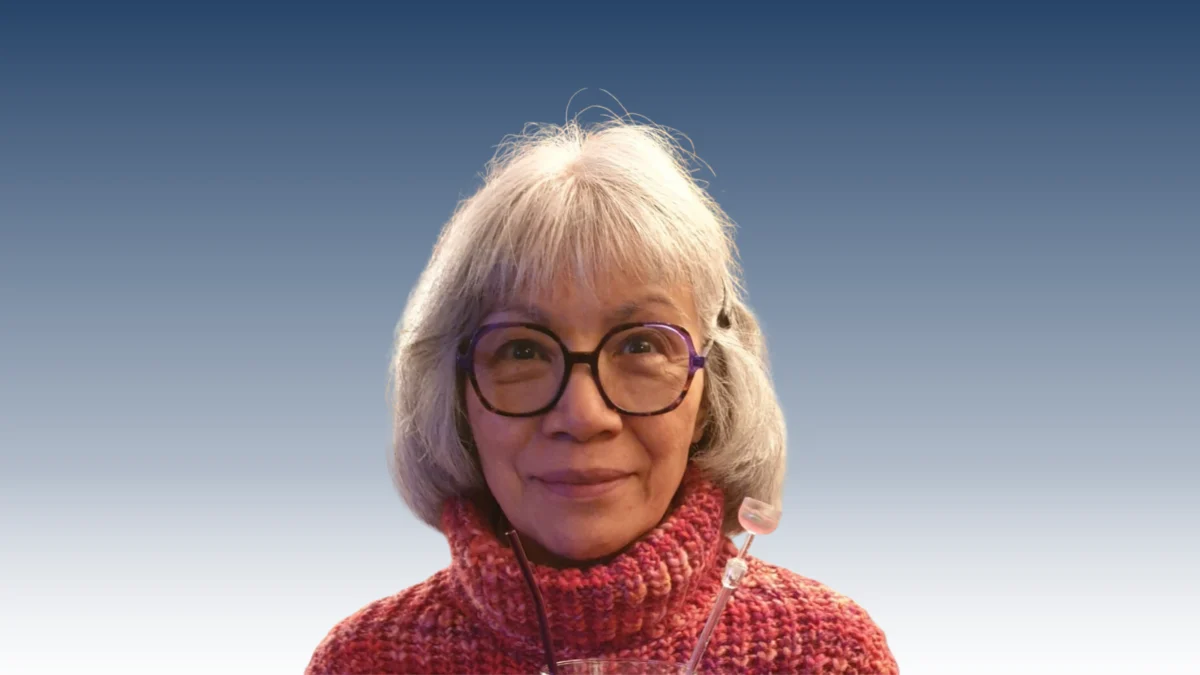
For many, the diagnosis of a rare, chronic condition is a moment of profound isolation. For Justine Hamaïde, a former telecom engineer and change management consultant living in Paris, the path to understanding her health was a three-and-a-half-year odyssey of misdiagnosis and uncertainty. Today, she stands as a beacon of advocacy, transforming her personal struggle with bronchiectasis and non-tuberculous mycobacteria pulmonary disease (NTM-PD) into a national movement for patient support and scientific collaboration.
The Chronology of a Silent Struggle
The journey for Hamaïde began in 2015, not with a sudden catastrophic event, but with a persistent decline in health that defied conventional medical wisdom. Frequent bouts of bronchitis and lingering colds became her new reality. Despite repeated rounds of antibiotics, her condition failed to improve; instead, she found herself trapped in a cycle of relapse, weight loss, and professional absenteeism.
"Looking back, I do not think I fully understood how serious my condition might be," Hamaïde recalls. It wasn’t until 2018—after years of searching for answers—that she was finally diagnosed with bronchiectasis and NTM-PD. The diagnosis was a double-edged sword: it provided a name for her suffering, but it introduced her to a complex, rare disease that would require an arduous 18-month regimen of multiple antibiotics. The shock of the diagnosis was profound, leading her to seek psychological support to navigate the reality of a chronic, invisible condition that required constant vigilance against environmental pathogens.
Understanding NTM-PD: A Public Health Challenge
Non-tuberculous mycobacteria (NTM) are not rare organisms; they are ubiquitous, hiding in plain sight within the soil, household water systems, and dust. While most individuals inhale these bacteria without consequence, a subset of the population develops NTM-PD, a condition that causes significant lung inflammation and scarring.
The Invisible Disability
One of the most taxing aspects of the disease is its invisibility. Because the bacteria are everywhere, explaining why one person is severely ill while others remain unaffected is a constant source of frustration. For Hamaïde, the disease is an "invisible respiratory disability." Even with a supportive inner circle, the disconnect between her appearance and her internal health challenges often leads to feelings of social isolation and misunderstanding.
To manage her life, Hamaïde has had to adapt her environment. She maintains a rigorous routine of respiratory physiotherapy, physical activity, and a healthy diet. She proactively limits exposure by wearing masks in crowded areas and taking extra precautions during humid or cold weather, which are known to trigger flare-ups.
The Birth of ‘MNT Mon Poumon Mon Air’
The lack of a support network during her own diagnostic journey was the catalyst for Hamaïde’s transition from patient to advocate. In 2020, having reached a point of acceptance—where she realized that while she had NTM-PD, the disease did not define her—she resolved to ensure no one else would face the condition in solitude.
After completing her certification as a "patient partner" in 2022, Hamaïde founded MNT Mon Poumon Mon Air in February 2023. The organization serves a dual purpose: it acts as a lifeline for patients and their families while bridging the gap between the patient community and the medical establishment.
Scientific Collaboration as a Cornerstone
The success of the association is built on a foundation of expert guidance. The organization is supported by a Scientific Committee composed of 10 leading NTM specialists. This collaboration has proven essential in dispelling myths and providing evidence-based education. Through webinars covering topics such as respiratory physiotherapy and nutrition, the association provides patients with the tools to manage their health effectively.
Supporting Data and Medical Perspectives
Medical experts emphasize that NTM-PD is a growing concern in respiratory medicine. The burden of treatment—which can include long-term, high-dose antibiotic therapy—carries significant side effects, ranging from severe fatigue to gastrointestinal distress, which can profoundly impact a patient’s ability to work and engage in daily life.
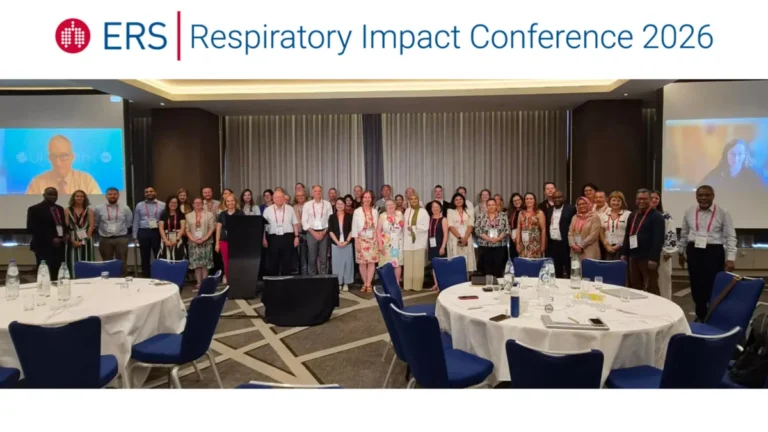
The medical community increasingly recognizes the necessity of "patient partners." When clinicians and patients collaborate, the standard of care improves. Patients bring a granular understanding of the disease’s impact on daily quality of life, while clinicians provide the necessary scientific framework. This synergy is exactly what the European Respiratory Society (ERS) sought to highlight with their congress theme, "United for better breathing: partnership between patients, clinicians and researchers."
Implications for Future Care and Policy
As the medical world marks World NTM Awareness Day, the message from advocates like Hamaïde is clear: we are at a critical juncture in how we approach rare respiratory diseases.
A Call for Earlier Detection
Hamaïde urges healthcare professionals to maintain a high index of suspicion for respiratory symptoms that do not resolve with standard treatments. Early diagnosis is the most effective tool in preventing irreversible lung damage. "I would encourage healthcare professionals to investigate seemingly minor symptoms earlier to help avoid delays in diagnosis," she notes.
The Role of Policymakers
The implications for policymakers are equally pressing. Addressing NTM-PD requires a multi-pronged approach:
- Public Awareness: Demystifying the disease to reduce the stigma associated with the environmental nature of the infection.
- Research Funding: There is an urgent need for more effective, less toxic treatment regimens. Current long-term antibiotic therapy is a heavy burden, and the development of targeted therapies is essential.
- Integrated Care: Supporting the development of specialized centers where patients can access multidisciplinary care, including psychology, nutrition, and physiotherapy.
Conclusion: A Philosophy of Resilience
Despite the challenges, Hamaïde remains profoundly optimistic. Her journey from a consultant in Mexico and Africa to a patient advocate in Paris is a testament to the power of human resilience. By refusing to let the disease dictate her boundaries, she continues to hike, walk, and engage in social activities, proving that life with a chronic condition can still be rich and fulfilling.
"I have NTM-PD, but the disease does not define me," she says. Her story serves as a reminder to the medical community that behind every chart and every diagnosis is a person with a story, a family, and a desire for a future defined by hope rather than just clinical management. As she continues her work with MNT Mon Poumon Mon Air, Hamaïde is not just advocating for better medicine; she is advocating for a world where patients are treated as full partners in their own healing, and where the "invisible" is finally brought into the light of scientific understanding.
For those interested in learning more about NTM-PD or supporting the work of MNT Mon Poumon Mon Air, visit their official resources or join the mailing lists of organizations like the European Lung Foundation to stay updated on the latest in respiratory research and patient advocacy.