In a compelling development for public health and preventative medicine, a landmark study published on February 4, 2026, in Neurology Open Access—the official journal of the American Academy of Neurology—has provided robust evidence suggesting that dietary choices play a pivotal role in long-term cerebrovascular health. The research, which tracked over 100,000 women across two decades, establishes a clear, statistically significant association between adherence to a Mediterranean-style diet and a reduced risk of stroke.
As global health organizations continue to grapple with the rising prevalence of neurological disorders, these findings offer a tangible, lifestyle-based strategy for women to potentially mitigate their risk of one of the world’s leading causes of death and disability. While the study identifies an association rather than a direct causative mechanism, the scale and duration of the data provide a compelling argument for the health benefits of the Mediterranean approach to nutrition.
The Anatomy of the Study: A Two-Decade Investigation
To understand the long-term impact of diet on the brain, researchers embarked on an ambitious longitudinal study. The cohort consisted of 105,614 women, all of whom were free of stroke history at the study’s inception. With an average starting age of 53, this demographic provided a unique opportunity to observe the evolution of health outcomes during the critical middle and later stages of life.
Methodology and Scoring
At the beginning of the study, each participant completed a comprehensive, validated dietary questionnaire. Researchers utilized this data to assign a "Mediterranean Diet Score," ranging from zero to nine. This scoring system was designed to quantify how closely an individual’s daily intake aligned with the established pillars of the Mediterranean diet.
Participants earned one point for each of the following:
- Consuming higher-than-average amounts of whole grains, fruits, vegetables, legumes, and fish.
- The use of olive oil as a primary fat source.
- Moderate alcohol consumption.
- Eating less red meat and dairy than the population average.
The distribution of these scores allowed for a clear comparative analysis: approximately 30% of the participants fell into the "highest adherence" category (scoring between six and nine), while 13% were placed in the "lowest adherence" group (scoring between zero and two).
Defining the Mediterranean Diet: Beyond the Buzzword
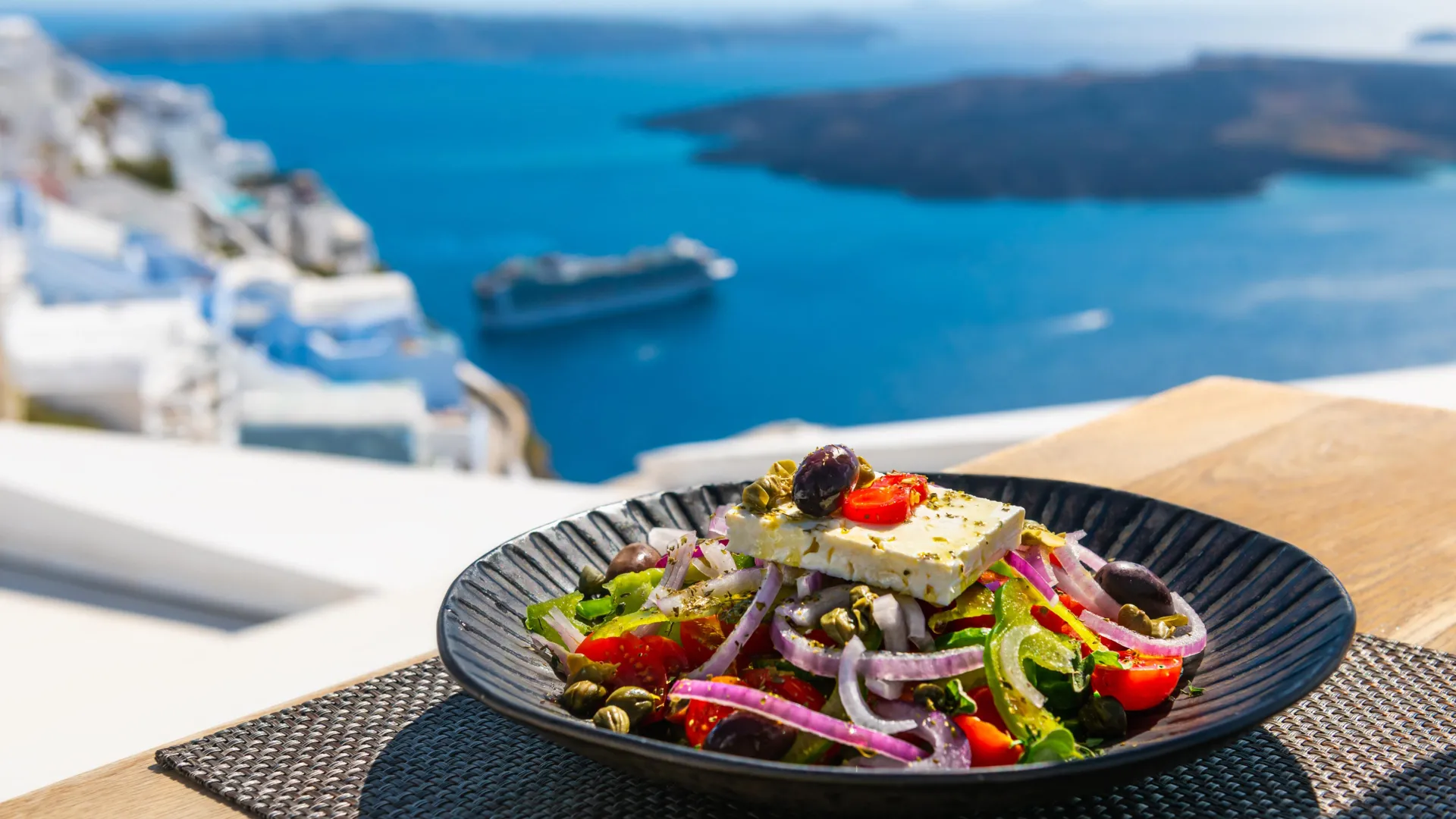
The Mediterranean diet is often praised in clinical circles not just as a "diet," but as a sustainable nutritional philosophy. It prioritizes nutrient density and anti-inflammatory components. The core of this eating pattern is the heavy reliance on plant-based foods, including a diverse array of vegetables, legumes, and seasonal fruits.
Central to the diet is the replacement of butter and animal-based fats with healthy, monounsaturated fats—primarily sourced from extra-virgin olive oil. Protein intake is shifted away from red and processed meats toward lean sources, particularly fatty fish rich in omega-3 fatty acids. By limiting processed sugars, dairy, and saturated fats, the diet aims to manage blood pressure, inflammation, and cholesterol levels—the three primary "silent" drivers of cardiovascular and cerebrovascular damage.
Chronology of Findings: Tracking Cerebrovascular Health
The researchers monitored the health outcomes of the 105,614 participants for an average duration of 21 years. This extended timeframe allowed for the documentation of 4,083 total strokes, providing a statistically rich dataset that differentiated between the two primary types of the condition:
- Ischemic Strokes: The most common form of stroke, occurring when a clot blocks blood flow to the brain. The study recorded 3,358 such cases.
- Hemorrhagic Strokes: A more severe form, occurring when a weakened blood vessel in the brain ruptures. There were 725 recorded cases during the study period.
Data Breakdown: High vs. Low Adherence
The disparity in outcomes between the highest and lowest diet scorers was stark. Among those with the highest Mediterranean diet scores, researchers recorded 1,058 ischemic strokes, whereas the lowest group saw 395 cases. While the raw numbers in the higher-scoring group were higher, the population size and incidence rate adjustments revealed a significant protective effect.
Regarding hemorrhagic strokes, the incidence was 211 in the high-adherence group compared to 91 in the low-adherence group. When researchers adjusted for confounding variables—including smoking status, physical activity levels, and pre-existing hypertension—the protective benefits of the diet remained significant.
Supporting Data: The 18% Advantage
The final statistical analysis revealed that women who followed the Mediterranean diet most closely were 18% less likely to experience any form of stroke compared to those who followed it the least.
The breakdown of risk reduction was even more nuanced:
- Ischemic Stroke: A 16% reduction in risk.
- Hemorrhagic Stroke: A 25% reduction in risk.
These findings are particularly striking because, as noted by the research team, few large-scale studies have specifically identified such a strong protective association regarding hemorrhagic stroke. This suggests that the anti-inflammatory and vascular-protective properties of the Mediterranean diet may offer broader benefits to blood vessel integrity than previously hypothesized.
Official Responses and Expert Perspective
Dr. Sophia S. Wang, the study’s lead author and a researcher at the City of Hope Comprehensive Cancer Center in Duarte, California, emphasized the gravity of the findings. "Our findings support the mounting evidence that a healthy diet is critical to stroke prevention," Dr. Wang stated in an interview following the publication.
She highlighted the specific importance of the hemorrhagic stroke findings. "We were especially interested to see that this finding applies to hemorrhagic stroke, as few large studies have looked at this type of stroke. Stroke is a leading cause of death and disability, so it’s exciting to think that improving our diets could lessen our risk for this devastating disease."
The American Academy of Neurology, in releasing these findings, noted that while the study does not suggest the diet acts as a "magic bullet" or a direct medical prevention tool, it reinforces the necessity of viewing nutrition as a cornerstone of neurological health.
Implications: A Shift in Preventative Care
The implications of this research are significant for both public policy and individual health management. If a shift in dietary patterns can result in a nearly one-fifth reduction in stroke risk, the potential for reduced healthcare costs and improved quality of life for an aging population is immense.
The Mechanism of Protection
While the study was observational, scientists hypothesize that the Mediterranean diet reduces stroke risk through several pathways:
- Blood Pressure Management: High blood pressure is the primary risk factor for stroke. The high potassium content in fruits and vegetables, combined with the reduction of sodium, helps maintain healthy vascular tension.
- Vascular Health: Omega-3 fatty acids found in fish and the polyphenols in olive oil help improve endothelial function, preventing the hardening of arteries that leads to ischemic blockages.
- Anti-Inflammatory Response: Chronic, low-grade inflammation is linked to vessel wall weakness, which can lead to the ruptures associated with hemorrhagic strokes.
Study Limitations and Future Directions
Despite the robust sample size, the researchers acknowledged certain limitations. The primary challenge was the reliance on self-reported dietary questionnaires. Memory bias—the tendency for participants to over-report "healthy" eating and under-report "unhealthy" choices—is an inherent flaw in longitudinal nutritional studies.
Furthermore, because the study was observational, it cannot definitively prove that the diet caused the reduction in stroke risk, only that those with healthier diets experienced fewer strokes. As Dr. Wang noted, "Further studies are needed to confirm these findings and to help us understand the mechanisms behind them so we could identify new ways to prevent stroke."
Conclusion: A Proactive Path Forward
The research funded by the National Institute of Neurological Diseases and Stroke serves as a vital reminder that the brain is not an isolated organ; it is deeply connected to the fuel we provide our bodies. As the medical community looks toward the future of preventative neurology, the Mediterranean diet stands out as a evidence-backed, accessible, and sustainable intervention.
For the millions of women currently navigating middle age and beyond, the message from the 2026 study is clear: the journey toward protecting one’s neurological future may begin in the kitchen. By prioritizing whole foods, healthy fats, and a reduction in processed meats, individuals can take meaningful, proactive steps toward lowering their risk of stroke and ensuring a healthier, more vibrant life.
As further research emerges to clarify the biological mechanisms at play, the scientific consensus remains firm—nutrition is not merely about weight management; it is a fundamental pillar of protecting the most complex organ in the human body.