











Introduction: A Paradigm Shift in Respiratory Medicine
For decades, the medical community has viewed asthma almost exclusively through the lens of inflammation. Whether triggered by allergens, environmental pollutants, or fluctuating weather patterns, the standard clinical approach—centering on corticosteroids and bronchodilators—has focused on cooling the "fire" of immune system overactivity. However, a groundbreaking study published in Nature Biomedical Engineering suggests that we have been overlooking a critical, silent culprit: the physical, mechanical force of the asthma attack itself.
Research led by a multidisciplinary team at Binghamton University, utilizing cutting-edge "lung-on-a-chip" technology, has revealed that the physical deformation of airway tissue during an asthma attack causes permanent structural remodeling. This damage occurs entirely independently of the inflammatory response, suggesting that even if inflammation is successfully suppressed, the mechanical stress of the attack continues to degrade lung health over time.
The Three Key Takeaways
- Mechanical Damage vs. Inflammatory Response: The study proves that the physical stretching and compression of airway tissues during an asthma attack trigger pathological remodeling, independent of immune-mediated inflammation.
- The Role of Extracellular Matrix: Repeated mechanical stress forces lung cells to overproduce proteins that form the extracellular matrix, leading to fibrosis (scarring) and abnormal blood vessel growth (angiogenesis).
- Pioneering Technology: By using organ-on-a-chip microfluidics, researchers have successfully modeled human physiological responses to asthma in a controlled environment, opening the door for new pharmacological interventions that target mechanical remodeling rather than just inflammation.
Main Facts: Unmasking the Mechanical Threat
Asthma currently affects approximately 25 million people in the United States. While the symptoms—coughing, wheezing, and acute shortness of breath—are well-documented, the long-term cellular consequences of these episodes have remained difficult to isolate.
Traditionally, airway remodeling in asthma was thought to be a secondary result of chronic inflammation. However, the Binghamton study indicates that the "mechanical stretching" of cells during the constriction and relaxation phases of an attack is a primary driver of tissue damage. When airway cells are subjected to these forces, they respond by synthesizing an excess of extracellular matrix proteins. This buildup causes the airway walls to thicken and lose their elasticity, permanently altering the lung’s architecture.
Jungwook "Jay" Paek, an assistant professor at Binghamton University and lead author of the study, notes that this is the first time the specific causal link between mechanical processes and tissue remodeling—encompassing both fibrosis and angiogenesis—has been demonstrated in asthma patients.
Chronology: The Development of the "Lung-on-a-Chip"
The path to this discovery involved years of interdisciplinary collaboration, bridging the gap between mechanical engineering and respiratory biology.
- Early Conceptualization: The research team sought to move beyond traditional two-dimensional cell cultures, which fail to mimic the complex, three-dimensional environment of the human lung.
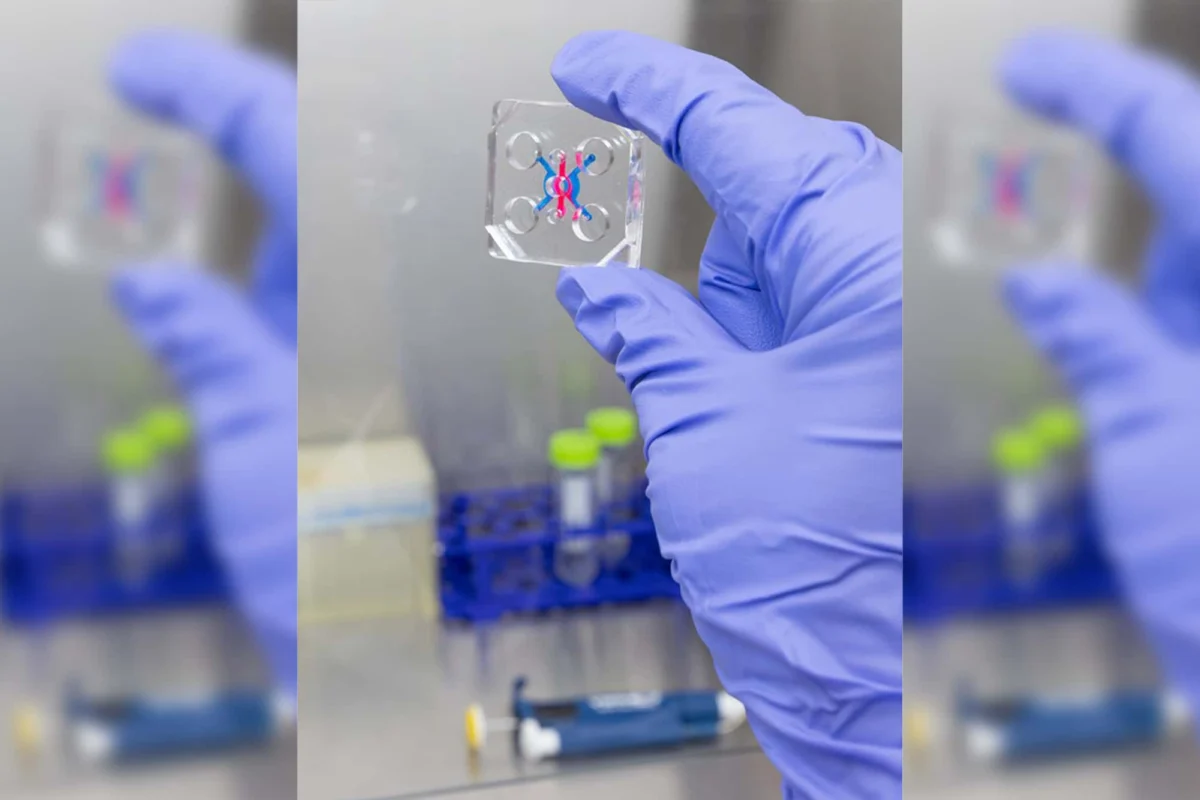
- Engineering the Device: Using microfabrication techniques, the team developed a microfluidic device. This device features chambers lined with human lung cells, designed to mimic the structural deformation experienced by the lungs during the respiratory distress of an asthma attack.
- The Simulation Phase: By pressurizing or evacuating a connecting chamber, the researchers could physically manipulate the tissue, forcing it to undergo the same structural deformation seen during an actual asthma episode.
- The Discovery: Observations showed that the mechanical strain alone—without the introduction of inflammatory cytokines or immune cells—was sufficient to trigger a biological cascade leading to tissue remodeling.
- The Validation: The team verified these findings through multi-institutional collaboration, involving researchers from the University of Pennsylvania, the University of Toledo, and the Pacific Northwest National Laboratory.
Supporting Data: Understanding the Micro-Environment
To grasp the significance of this research, one must understand the technology involved. "Organ-on-a-chip" systems are at the frontier of biomedical engineering. They are essentially small, transparent chips containing micro-channels that allow scientists to control the cellular micro-environment with high precision.
In this study, the device acted as a surrogate for a human airway. By applying cyclical mechanical loads, the team observed how cells responded to the physical stress. The data collected revealed that:
- Protein Overexpression: Mechanical stress induces a genetic signal in lung cells to produce more collagen and other structural proteins, thickening the airway lining.
- Vascular Proliferation: The physical strain was linked to increased angiogenesis, which may explain why asthma patients often exhibit hyper-vascularized airways.
- Independence from Inflammation: Even in the absence of chemical inflammatory markers, the cells continued to remodel when subjected to mechanical forces, proving that the physical act of wheezing or struggling for breath is, in itself, damaging to the lung structure.
Official Responses and Expert Perspectives
The researchers emphasize that this study does not negate the importance of current anti-inflammatory treatments, but rather highlights a missing piece of the therapeutic puzzle.
"With this technology, we can see how our human body actually functions when asthma attacks happen," says Anika Alim, a PhD student at Binghamton University who played a key role in the research. The team’s approach is a testament to the intersection of biological science, biomedical engineering, electrical engineering, and mechanical engineering.
Professor Paek, whose broader body of work at Binghamton—supported by the National Institutes of Health (NIH)—includes the study of neurodegenerative conditions like Parkinson’s disease, emphasizes the versatility of this technology. By testing how specific medications can modulate cellular activity in response to mechanical stress, the team is already looking toward the next generation of asthma therapeutics.
"This is not just about understanding the disease; it is about finding new targets for intervention," Paek noted. If clinicians can identify drugs that prevent the cellular "overreaction" to mechanical stress, they might be able to halt or reverse the airway remodeling that leads to long-term lung function decline.
Implications: The Future of Asthma Treatment
The implications of this research are profound. For years, patients who have managed their inflammation effectively have still seen their lung function decline over time. This research provides a biological mechanism for why that happens: the physical trauma of the disease is causing structural changes that are "baked into" the lung tissue.
1. New Therapeutic Targets
Current asthma medications primarily target the immune system. Future drugs could be developed to act on the mechanosensors of the cells, essentially "numbing" them to the mechanical stress of an attack so they do not trigger the remodeling process.
2. Personalized Medicine
Because the lung-on-a-chip technology can be populated with a patient’s own cells, it holds the potential for personalized drug screening. Doctors could theoretically test which medications are most effective at preventing tissue remodeling in an individual patient’s specific cellular environment.
3. Redefining "Control"
The clinical definition of "asthma control" may need to evolve. Currently, control is measured by symptom frequency and lung function tests. If we accept that mechanical stress causes damage regardless of inflammation, then preventing the physical constriction of the airways becomes just as important as preventing the inflammatory response.
Conclusion: A New Horizon
The work conducted by the Binghamton University team marks a significant departure from the traditional dogma of asthma pathology. By utilizing the precision of microfluidics and the rigor of mechanical engineering, they have illuminated a hidden mechanism of damage that has likely been occurring in asthma patients for centuries.
As the medical community digests these findings, the focus will likely shift toward more comprehensive asthma management—one that balances anti-inflammatory therapy with strategies to protect the structural integrity of the lung. This research is a powerful reminder that in the complex landscape of chronic disease, the physical forces acting upon our cells are just as influential as the chemical ones. As we move forward, the "lung-on-a-chip" will undoubtedly remain a cornerstone of this new, interdisciplinary approach to respiratory health.