











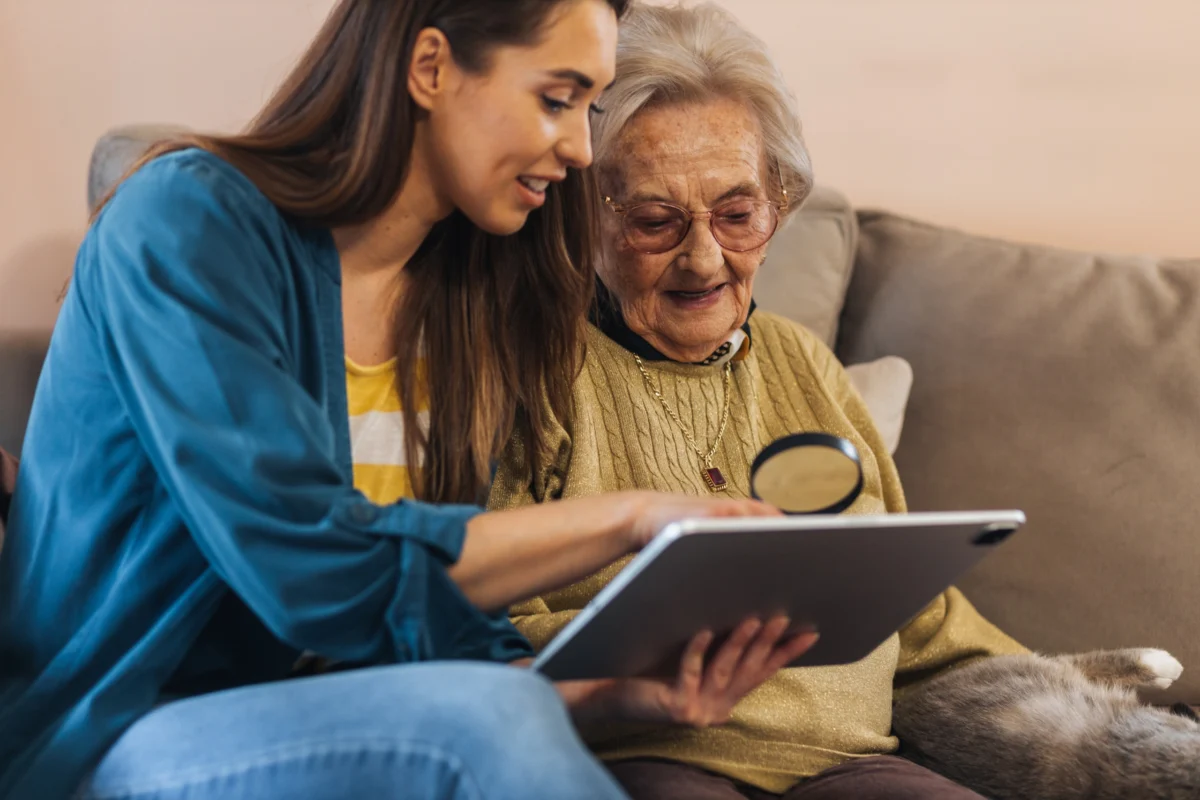
The modern healthcare landscape is undergoing a quiet, digital revolution. Once considered a secondary convenience or a niche service for remote populations, telehealth—the delivery of health services via telecommunications technology—has matured into a cornerstone of contemporary medicine. For the aging population, this shift represents more than just convenience; it is a critical bridge to improved quality of life, expanded access to specialists, and a proactive approach to chronic disease management.
As we navigate an era where healthcare demands are increasing, the integration of virtual care offers a sustainable pathway to maintain independence and health for older adults.
Main Facts: Redefining the Patient-Provider Relationship
Telehealth encompasses a broad spectrum of services, ranging from real-time video consultations and remote patient monitoring (RPM) to asynchronous messaging platforms. The primary objective is to dissolve the physical barriers that often prevent patients from seeking timely medical advice.
At its core, telehealth functions by digitizing the clinical encounter. Instead of a physical commute, patients engage with their providers through secure, HIPAA-compliant portals. This transformation is particularly vital for the elderly, who may face significant hurdles related to mobility, transportation logistics, and susceptibility to hospital-acquired infections. By moving the consultation to the living room, the healthcare system effectively expands its reach into the home, allowing for more frequent, lower-stress interactions that focus on prevention and maintenance rather than reactive emergency care.
A Chronological Evolution: From Telephone Triage to Virtual Care
The journey of telehealth has been decades in the making, but its trajectory accelerated significantly due to external pressures.
- The Early Foundation (1990s–2010s): Initial efforts were primarily focused on tele-radiology and remote consultations for rural areas. Adoption remained low due to strict reimbursement policies and technological limitations.
- The Catalyst (2020–2022): The global pandemic served as the "great accelerator." Regulatory hurdles were temporarily lifted, and both patients and providers were forced to rapidly adopt virtual tools. This period proved that telehealth was not only feasible but essential for continuity of care.
- The Modern Era (2023–Present): Today, we are in the phase of integration and optimization. Healthcare systems are moving beyond simple video calls to incorporate sophisticated remote monitoring devices that transmit blood pressure, glucose levels, and heart rate data directly to clinical teams. This creates a "continuous care" model, moving away from the episodic nature of traditional clinic visits.
Supporting Data: Why Telehealth Matters for Older Adults
The efficacy of telehealth is supported by a growing body of clinical evidence. According to data from the Alliance for Aging Research and various healthcare advocacy groups, the benefits for patients aged 65 and older are multidimensional:
- Reduction in Readmission Rates: Remote monitoring of patients with chronic heart failure or COPD has shown a measurable decrease in hospital readmission rates, as clinicians can intervene the moment vitals trend toward the abnormal.
- Access to Specialists: Older adults living in "medical deserts"—areas lacking geriatric specialists or endocrinologists—can now receive expert care without the burden of long-distance travel.
- Economic Efficiency: A study of Medicare beneficiaries revealed that telehealth significantly reduces the indirect costs of healthcare, such as the expense of specialized medical transport and the "opportunity cost" of caregivers taking time off work to escort loved ones to appointments.
- Psychological Well-being: The reduction in "waiting room anxiety" and the comfort of being in a familiar environment have been linked to better patient communication and more honest reporting of symptoms, particularly concerning sensitive topics like mental health or cognitive decline.
The Operational Guide: How to Navigate Virtual Visits
Transitioning to telehealth does not require technical expertise, but it does require preparation. To ensure a seamless experience, patients should adhere to the following protocol:
Essential Technology
A reliable telehealth visit requires:
- Hardware: A smartphone, tablet, or a computer equipped with a webcam and microphone.
- Connectivity: A stable high-speed internet connection (Wi-Fi or cellular data).
- The Portal: Always use the dedicated application or secure link provided by your health system.
The "10-Minute Rule"
Preparation is the key to minimizing stress. Patients are encouraged to log on 10 minutes prior to the scheduled time. This window is essential for:
- Downloading required software or plugins.
- Conducting a "self-test" of audio and visual inputs.
- Ensuring the device is plugged into a power source to prevent mid-call shutdowns.
Distinguishing Care: Telehealth vs. Emergency Intervention
A common misconception is that telehealth is a replacement for emergency services. It is essential for patients to understand the clear distinction between non-urgent care and critical medical needs.
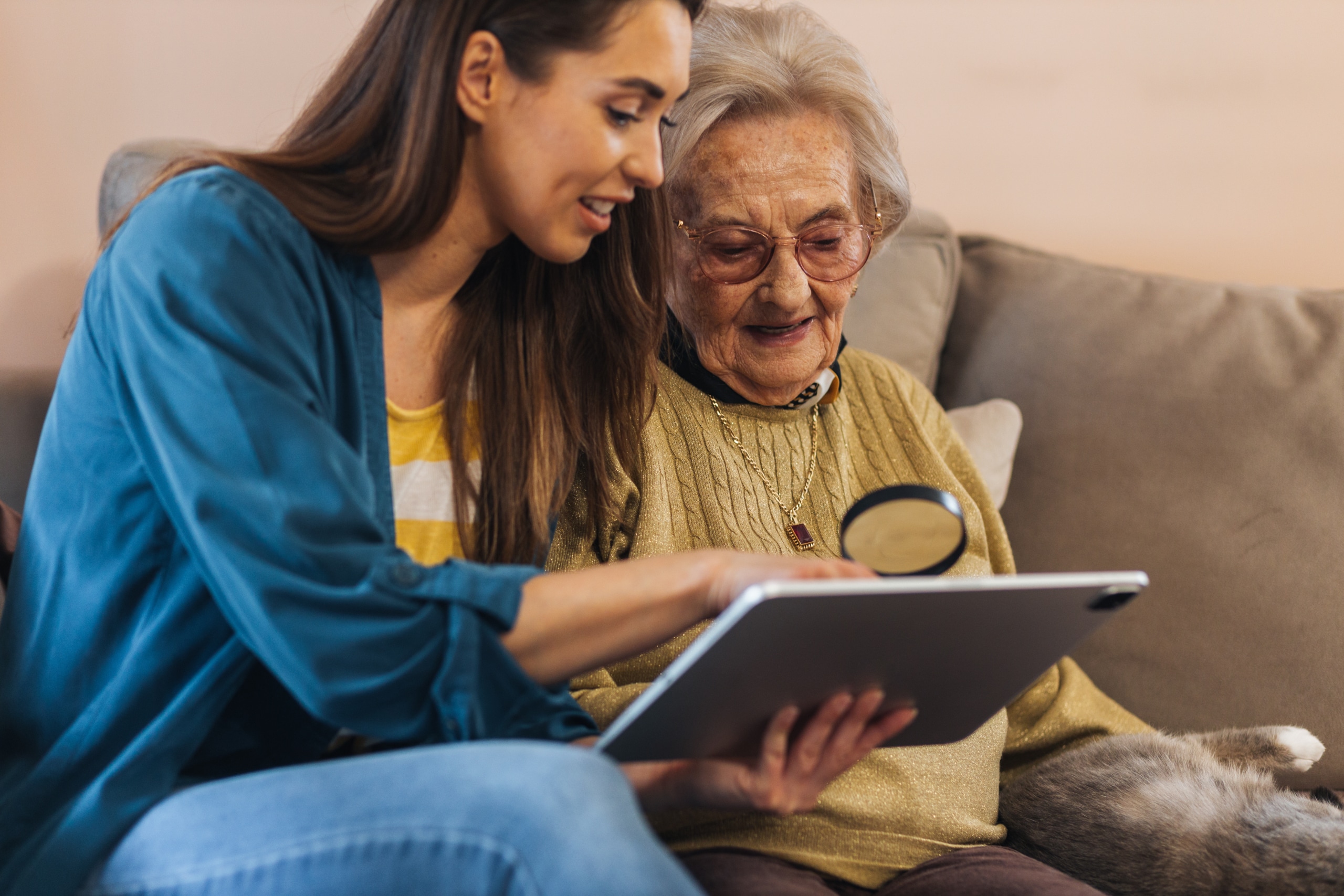
When to Choose Telehealth:
- Chronic Condition Management: Routine check-ins for hypertension, diabetes, or arthritis.
- Minor Acute Issues: Assessment of cold/flu symptoms, skin rashes, or medication refills.
- Mental Health: Routine therapy or mood-related check-ins.
- Post-Op Follow-up: Quick status updates to ensure surgical sites are healing correctly.
When to Seek In-Person Emergency Care (Call 911):
- Cardiac/Respiratory Distress: Chest pain, severe difficulty breathing, or pressure in the chest.
- Neurological Emergencies: Sudden confusion, facial drooping, slurred speech, or weakness on one side (signs of a stroke).
- Trauma: Broken bones, head trauma, or uncontrollable bleeding.
- High-Risk Indicators: Fainting, sudden loss of vision/hearing, or fevers exceeding 104°F.
Official Responses and Security Protocols
As telehealth has grown, so has the sophistication of cyber threats. Katrin Werner-Perez, Director of Health Programs for the Alliance, emphasizes that safety must be the primary consideration for any patient seeking virtual care.
"The convenience of telehealth should never come at the expense of privacy," Werner-Perez notes. "We urge all older adults to treat their virtual care portals with the same security mindset as their online banking."
Protecting Your Personal Data
To avoid falling victim to telehealth scams:
- Verify the Source: Only access telehealth through your existing, known healthcare provider or the member portal of your insurance company.
- Ignore Unsolicited Offers: Be wary of emails or advertisements that offer "quick" medical advice from providers you do not recognize.
- Financial Vigilance: Never provide credit card or Social Security information on an unverified website. Legitimate telehealth services will have established billing processes integrated with your insurance.
- Check Coverage: Before your visit, contact your insurance provider to confirm that your specific telehealth service is covered, ensuring you avoid unexpected "out-of-network" costs.
Implications for the Future of Healthcare
The shift toward virtual care is not a passing trend; it is a fundamental reconfiguration of how society provides health services to an aging population. The implications are profound. By reducing the physical burden of healthcare, we allow older adults to remain in their homes longer, fostering a sense of autonomy and dignity that is often lost in traditional institutional settings.
Furthermore, the data generated by remote monitoring provides a granular view of patient health that an in-person, 15-minute visit simply cannot replicate. This "big data" approach to aging allows for predictive analytics—identifying a health decline before it manifests as a crisis.
However, the future success of this model relies on three pillars: universal access to high-speed internet, digital literacy training for the older demographic, and robust cybersecurity infrastructure. As the healthcare industry continues to iterate, the goal remains clear: to create a system where care is not a place you go, but a service that meets you exactly where you are.
For those looking to explore these resources further, the Alliance for Aging Research remains a primary source for vetted information, advocacy, and guidance on navigating the digital health revolution. As we embrace these tools, we move one step closer to a future where healthy aging is supported by the best technology has to offer, ensuring that everyone has the opportunity to live their later years with health, vitality, and connection.