Introduction
For decades, the term "resilience" has been the default descriptor for those navigating the complexities of chronic illness and medical trauma. It is a word often bestowed upon patients by observers—a "gleaming badge of honor" that implies an innate ability to bounce back, to remain unbroken by the crushing weight of physical and psychological suffering. However, for many living at the intersection of medical necessity and trauma, this label feels less like a compliment and more like an imposition.
In a poignant new literary reflection, writer and advocate Jen Jungenberg challenges this societal narrative. By dissecting the reality of living with chronic illness, Jungenberg argues that the common understanding of resilience fails to account for the profound, lasting alterations that trauma leaves on the human spirit. Her work, which serves as a harrowing account of the "professional patient" experience, posits that true survival is not about returning to one’s original shape, but about the relentless, often agonizing persistence required to endure in a world that frequently dismisses the patient’s inner wisdom.
The Anatomy of Persistence: Redefining the Patient Experience
Jungenberg’s critique of "resilience" centers on the concept of elasticity. In physics, an object that is resilient returns to its original form after being stretched. Jungenberg, however, suggests that human beings subjected to the "infliction" of chronic pain and medical failure do not return to their original, pre-trauma states. Instead, they are permanently altered.
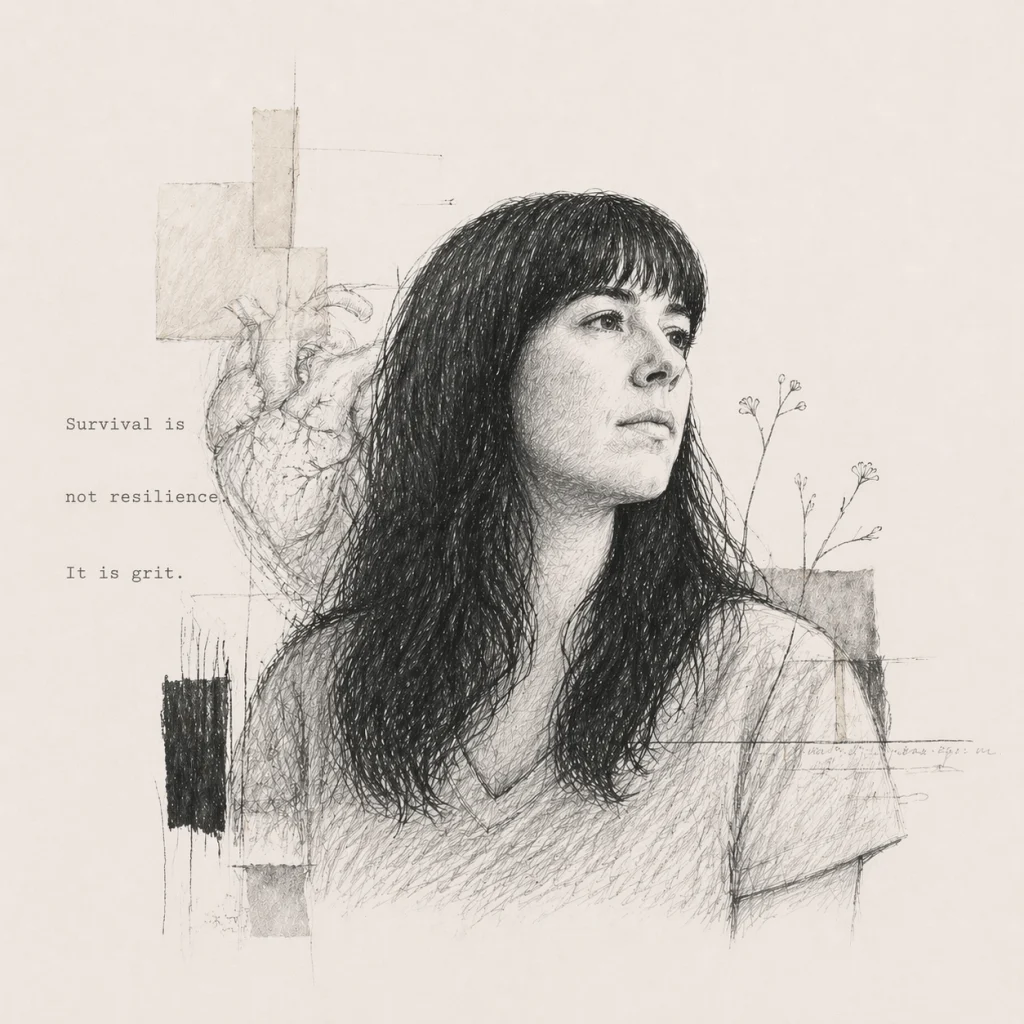
"I am not superhuman," Jungenberg writes. "Survival is not resilience. It is grit."
This distinction is crucial for medical professionals and policymakers alike. Grit, in this context, is defined not as a triumphant recovery, but as an "unwillingness to quit" in the face of persistent, systemic suffering. It is the act of fighting for wellness when the very systems designed to provide that wellness—the healthcare establishment—have become sources of trauma themselves.
Chronology of a Medical Journey
To understand the depth of Jungenberg’s perspective, one must examine the timeline of a typical patient journey through the modern healthcare system—a trajectory often characterized by cycles of hope, medical intervention, and subsequent disappointment.
- The Initial Trust: At the outset, patients often enter the system with a baseline of trust, following the advice of clinicians with the belief that compliance leads to health.
- The Onset of Atypical Complications: When treatments result in "rare complications" or "unintentional consequences," the patient’s narrative shifts from recovery to damage control.
- The Erosion of Self-Trust: As the body fails to respond to standard protocols, the patient begins to internalize the blame. The medical environment, often rushed and detached, begins to view the patient’s lack of improvement as a failure of the patient rather than a failure of the treatment.
- The Professional Patient: Years of navigating appointments and procedures lead to a hyper-vigilant state. The patient begins to scan every new clinician for signs of dismissal, fearing that they will be labeled a "liar" or a "difficult patient."
- The Cycle of Adaptation: The final stage is one of constant tactical maneuvering—a desperate, exhausting effort to steer the doctor toward empathy while masking internal terror.
The Invisible Toll: Supporting Data and Psychological Impact
While personal accounts like Jungenberg’s provide the emotional context, clinical research supports the reality of the phenomena she describes. The "adrenaline-riddled cage" of the body, the "brain fog," and the "emotional flooding" are hallmarks of complex post-traumatic stress disorder (C-PTSD) often seen in chronic illness populations.
The Impact of Medical Gaslighting
A growing body of literature on "medical gaslighting" corroborates the feelings of isolation expressed by many patients. Studies indicate that patients with chronic, invisible illnesses frequently experience:
- Diagnostic Delays: The average time to receive an accurate diagnosis for rare or complex conditions often spans several years, during which the patient is frequently dismissed as having psychosomatic symptoms.
- Symptom Minimization: Clinical encounters are often too short to allow for the processing of complex emotional and physical trauma, leading to "rushed attention" that leaves the patient feeling unheard.
- Physiological Hyper-arousal: The nervous system’s "fight or flight" response is chronically activated in medical settings, leading to the shaking, sweating, and restlessness Jungenberg describes.
The Systemic Crisis: Official Perspectives and Institutional Failure
When a patient feels they must perform or "mask" their fear to receive adequate care, the medical system is failing its primary objective. The "professional patient" must often act as their own advocate, utilizing "new interventions"—such as bilateral tapping or rehearsing responses to rejection—to stay grounded while their bodily autonomy feels under threat.
Health organizations and patient advocacy groups are beginning to recognize that the standard "resilience-based" approach to care is insufficient. Patient-centered care models are now being urged to integrate:
- Trauma-Informed Care (TIC): This framework recognizes the pervasive impact of medical trauma and seeks to create an environment where the patient feels safe and heard.
- Shared Decision-Making: Moving away from the paternalistic "doctor-knows-best" model toward a collaborative process where the patient’s lived experience is treated as a valid data point.
- Validation of Lived Reality: Clinicians are being trained to acknowledge that when a patient reports pain, the validity of that pain is not up for debate.
Implications: The Way Forward
The implications of Jungenberg’s reflection are clear: we must stop asking patients to be "resilient" in a way that implies they should simply absorb trauma and "bounce back." The current standard of care often forces patients to choose between being "brave"—and thus potentially ignoring their own survival instincts—or being labeled as "non-compliant."
A New Narrative
For the medical community, the path forward requires a radical shift in how "success" is measured. If a patient is not "cured," is the treatment a failure? Jungenberg’s work suggests that for many, there is no "cure" in the traditional sense. Instead, there is only the ongoing, daily effort to live with a body that has been irrevocably altered.
"The past has been written," Jungenberg notes, "and the only way forward is through." This acceptance is not defeat; it is a profound realization that survival is an act of defiance.
Recommendations for Systemic Change
- Educate Clinicians on Medical Trauma: Integrate the study of medical-induced trauma into medical school curricula to ensure that doctors understand how their dismissiveness can exacerbate patient suffering.
- Expand Consultative Time: Reimburse clinicians for the time spent listening to the patient’s narrative, rather than just the time spent on physical examination.
- Validate Patient Wisdom: Acknowledge the patient as an expert on their own body. When a patient says, "Don’t touch me," or "I am not the same," it must be treated as a critical clinical indicator.
Conclusion
Jen Jungenberg’s poem serves as a mirror for a population of patients who have been told for too long that their pain is a test of their resilience. By reclaiming the title of "persistent" and rejecting the "superhuman" expectations placed upon them, Jungenberg offers a voice to those who feel trapped within a system that requires them to be perfect to be believed.
Ultimately, the goal is not to force patients back into their "original shape" but to acknowledge the new, albeit scarred, form they have taken. It is time for the medical establishment to stop looking for resilience and start providing the safety, empathy, and recognition that every patient deserves. The book of the patient’s life may have many chapters of pain, but as Jungenberg concludes, they are not closing it—they are turning the page.