As the candles on the birthday cake increase in number, many adults over the age of 65 begin to notice a common physiological shift: the skin and muscle tone on the back of the arms—often referred to as “arm jiggle”—begins to change. This phenomenon occurs regardless of fluctuations in body weight, leaving many to wonder why their arms appear less firm than they were in their younger years.
According to fitness expert and certified personal trainer Tyler Read, the culprit is a natural, progressive decline in muscle mass known as sarcopenia. When the upper body is neglected in a consistent strength-training regimen, the triceps—the primary muscles responsible for arm firmness—begin to atrophy. However, the solution is not found in the repetitive, isolated motion of the bicep curl. In fact, relying solely on curls is a common tactical error in senior fitness. To achieve functional, firm arms, one must engage in movements that recruit multiple muscle groups simultaneously.
The Science of Sarcopenia and Functional Fitness
Main Facts: Why Muscles Change with Age
Sarcopenia is the degenerative loss of skeletal muscle mass and strength associated with aging. While the process begins in our 30s, the decline accelerates significantly after age 65. For many seniors, this loss is exacerbated by a lack of stimulus. When muscles are not challenged, the body deems them "non-essential," redirecting resources elsewhere.
Many fitness enthusiasts make the mistake of focusing on "spot reduction" or isolation exercises. Bicep curls, while popular, only target the front of the arm. To address the "jiggle" on the back of the arm, one must prioritize the triceps and the posterior shoulder complex.
Chronology of Muscle Decline
- The 30s–50s: The "quiet" phase where sedentary lifestyles begin to quietly strip away muscle fibers without noticeable aesthetic changes.
- The 60s: The threshold where functional limitations start to manifest. Tasks like lifting a suitcase or reaching for a high shelf become noticeably more difficult.
- The 65+ Years: The period where, without intervention, the cumulative loss of strength leads to decreased bone density and a higher risk of frailty.
The Case for Chair-Based Strength Training
The beauty of chair-based exercise for older adults lies in its dual-purpose nature: it provides a stable foundation for those who may have balance concerns while allowing for high-intensity muscle recruitment. By using a chair, the core is engaged to maintain posture, while the chest, shoulders, and triceps are challenged through gravity and controlled resistance.
Research indicates that compound movements—exercises that involve two or more joints—are significantly more effective for seniors than isolation exercises. They improve "functional capacity," which is the ability to perform activities of daily living (ADLs) such as gardening, carrying groceries, or hoisting a grandchild, with ease and without injury.
The Four Pillars of Arm Transformation
To help seniors regain their strength, Tyler Read recommends a routine focused on four specific movements. These exercises move beyond simple aesthetics, focusing instead on building the strength required to maintain independence.
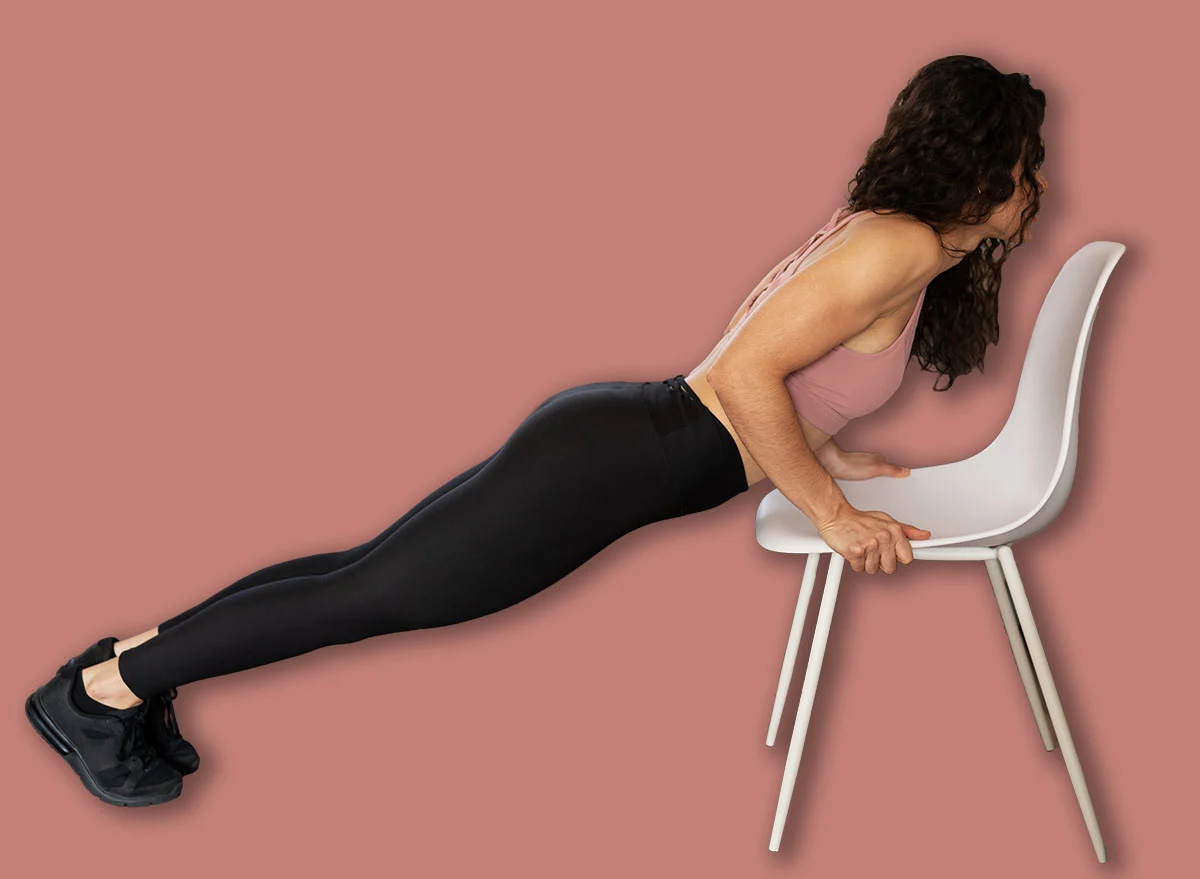
1. Chair Push-Ups: The Tricep Powerhouse
Often overlooked, the chair push-up is the gold standard for tricep development. Unlike a floor push-up, which can be daunting and hard on the wrists, a sturdy chair provides the perfect angle.
- The Mechanism: As you lower your body, the triceps are forced to stabilize the descent. The pushing phase then recruits the pectoral muscles and the anterior deltoids.
- Expert Tip: Focus on the "lowering phase." The eccentric contraction—the act of lengthening the muscle under tension—is where the most significant muscle fiber damage (and subsequent growth) occurs.
2. Seated Overhead Press: Restoring Reach
Reaching overhead is a critical function for maintaining household independence. When strength wanes, the shoulder girdle often becomes unstable, leading to impingements or discomfort.
- The Mechanism: By performing this movement while seated, you eliminate the temptation to use momentum from the legs. This isolates the shoulders and triceps, forcing them to do the work.
- Supporting Data: Consistent overhead training has been shown to increase range of motion, helping to prevent the "hunched" posture that is common in aging populations.
3. Seated Resistance Band Rows: Correcting the Posture
The "rounded shoulder" look is often the result of weak upper back muscles. When the back is weak, the chest tightens and the shoulders roll forward, making the arms appear limp.
- The Mechanism: Rows target the rhomboids, lats, and the rear deltoids. By pulling the shoulders back into proper alignment, the entire arm appears more toned and the chest more open.
- The Result: Improved posture creates an immediate aesthetic improvement, while simultaneously reducing the fatigue that many seniors feel in their neck and upper back.
4. Seated Punch Press: Enhancing Coordination
While it sounds like a combat move, the punch press is a controlled, rhythmic exercise designed to improve shoulder endurance and coordination.
- The Mechanism: This exercise requires the core to remain tight to prevent the body from twisting. The alternating nature of the movement forces the brain to coordinate with the muscles, improving reaction time and motor control.
Official Responses and Clinical Implications
Geriatric physiotherapists generally agree that resistance training for the over-65 population is the single most effective "medicine" for longevity. While official guidelines from the American College of Sports Medicine (ACSM) suggest at least two days of strength training per week, they emphasize that the quality of the movement is more important than the weight being lifted.
"The goal is not to become a bodybuilder," says Read. "The goal is to maintain the muscle mass required to live a vibrant, independent life."
Integrating the Routine into Daily Life
To see tangible results, consistency is the primary driver. It is not necessary to spend hours in the gym. By practicing these four movements three times a week for 20 minutes, individuals can expect to see improvements in:
- Functional Strength: Easier handling of household objects.
- Postural Alignment: A reduction in the "slouch" that often accompanies aging.
- Metabolic Health: Muscle is metabolically active tissue; by building it, you naturally increase your resting metabolic rate, which helps manage weight more effectively.
Safety Precautions
Before beginning any new exercise regimen, particularly if you have pre-existing conditions like hypertension, arthritis, or heart disease, it is vital to consult with a primary care physician.
- Listen to your body: Discomfort is normal; sharp, stabbing pain is not.
- Use proper equipment: Ensure your chair is stable, has no wheels, and is placed against a wall to prevent slipping.
- Hydration: Always keep water nearby, even during short sessions.
Conclusion: Redefining "Aging Gracefully"
The narrative that aging must be synonymous with weakness is fading. With the right techniques, adults over 65 can maintain firm, capable, and functional arms that serve them well into their later years. By abandoning the ineffective bicep curl and adopting a compound, functional approach, you are not just targeting the "jiggle"—you are investing in your long-term independence.
Stronger arms are the gateway to a more active lifestyle, allowing you to carry the groceries, lift the luggage, and reach for whatever life places on the top shelf. Start slowly, remain consistent, and remember: it is never too late to begin building a stronger version of yourself.