




For millions of people, the morning cup of coffee is more than just a ritual; it is a foundational component of the daily routine. While coffee has long been celebrated for its ability to sharpen focus and boost energy, a massive, decade-long study conducted by researchers at Cedars-Sinai Medical Center suggests that our favorite morning brew may be doing far more than just waking up our brains. It may be acting as a silent guardian for one of the body’s most vital organs: the liver.
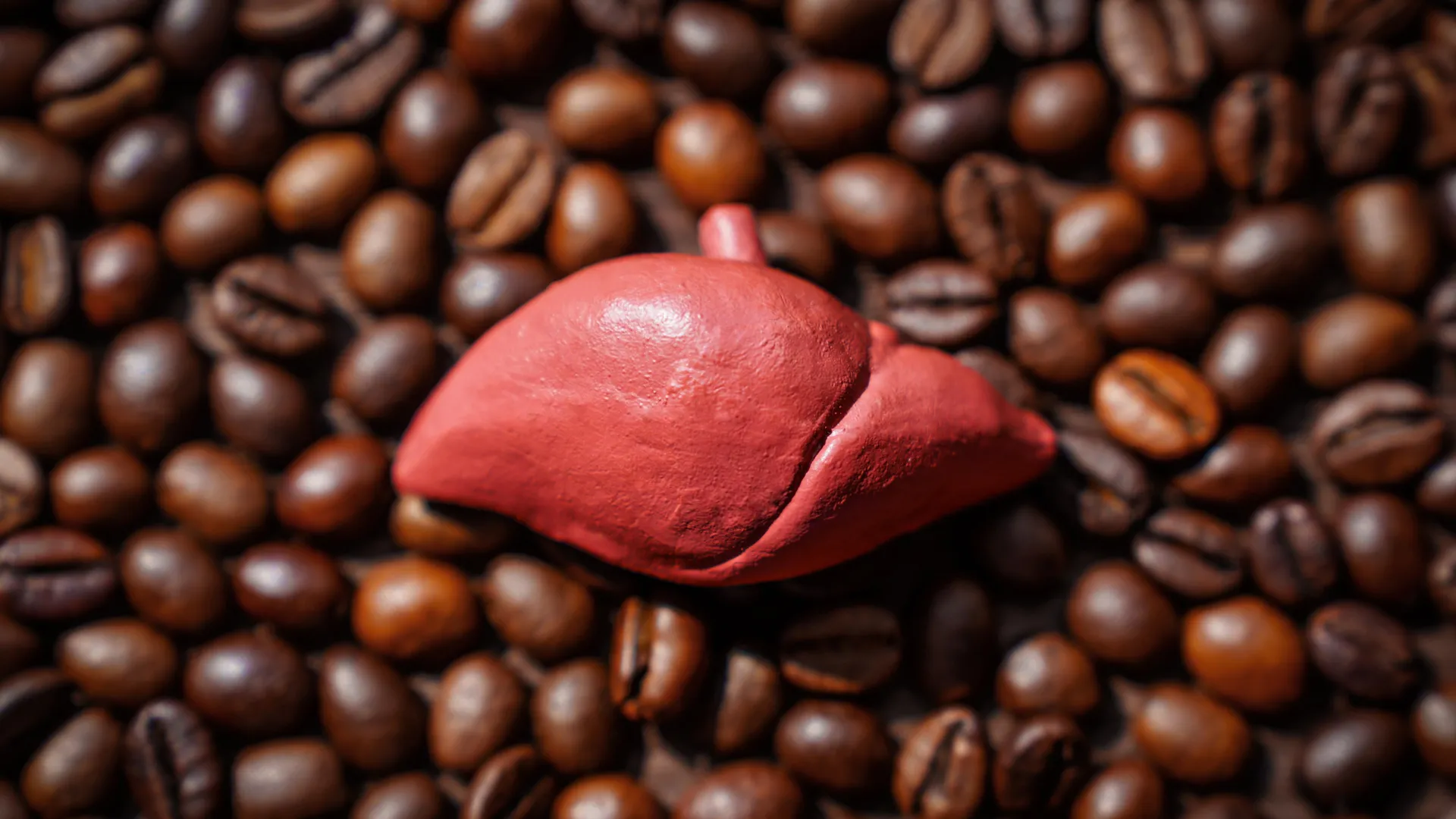
In one of the most comprehensive investigations to date, researchers have uncovered compelling evidence that higher coffee consumption is associated with a significantly lower risk of cirrhosis, liver cancer, and death related to liver disease. By combining large-scale epidemiological data with sophisticated medical imaging and molecular protein analysis, the study provides a clearer picture of how coffee may protect the liver at a cellular level.
The Scope of the Investigation: A Decade of Data
The study, recently published in the prestigious journal Clinical Gastroenterology and Hepatology, represents a landmark effort in the field of hepatology. Led by a team of experts at Cedars-Sinai, the research moved beyond the limitations of earlier, smaller studies that often looked at isolated variables.
"Previous studies suggested that coffee might benefit the liver, but most were smaller or looked at only one piece of the puzzle," explained Hyunseok Kim, MD, MPH, PhD, an assistant professor of medicine at Cedars-Sinai and the study’s corresponding author. "We followed hundreds of thousands of people for more than a decade and looked at their health outcomes along with liver MRI scans and blood protein analyses. Together, those findings help explain the biological mechanisms behind coffee’s association with better liver health."
The scale of the project was immense. Researchers analyzed data from 354,957 participants drawn from the UK Biobank. At the start of the study, none of the participants had a prior history of cirrhosis or liver cancer. By linking this data to comprehensive medical records, the team was able to track the incidence of liver disease over a median follow-up period of 13 years, providing a robust longitudinal view of how coffee habits influence long-term health.
Supporting Data: Quantifying the Protective Effect
The results of the study were striking, revealing a clear dose-response relationship between coffee intake and liver health. The statistical data points toward a substantial reduction in risk for those who consume coffee regularly.
The Numbers Behind the Brew
Compared to non-coffee drinkers, participants who consumed five or more cups of coffee per day saw the following reductions in risk:
- Cirrhosis: A 32% lower risk.
- Liver Cancer: A 47% lower risk.
- Liver-related Death: A 42% lower risk.
Crucially, the data suggests that these benefits are not limited only to heavy consumers. While the most profound risk reductions were observed in those drinking three to four cups daily, researchers noted that even modest consumption—as little as one or two cups a day—showed signs of a protective effect.
However, researchers were quick to add a note of caution regarding the "more is better" mentality. While those drinking five or more cups exhibited significant benefits, the study authors are not advising the general public to ramp up their caffeine intake to that level. Instead, they emphasize that the study identifies a correlation, not a mandate for overconsumption.
Beyond the Statistics: Unlocking the Biological Mechanism
One of the most innovative aspects of the Cedars-Sinai study was its move away from simple self-reporting. To understand why coffee might protect the liver, the researchers looked at physical and molecular evidence.
MRI and Protein Analysis
By analyzing liver MRI scans, the team discovered that frequent coffee drinkers exhibited lower levels of liver fat, reduced iron accumulation, and fewer signs of fibrosis or inflammation compared to their counterparts.
These physical findings were corroborated by blood protein analysis. High coffee consumers showed higher concentrations of proteins linked to healthy liver function and lower concentrations of inflammatory markers and proteins associated with tissue scarring. This dual approach—combining clinical outcomes with biological markers—provides a much more rigorous foundation for the theory that coffee exerts a protective influence on the liver’s architecture.
The Decaf Factor
Perhaps the most surprising discovery was that the benefits were not solely tied to caffeine. Both caffeinated and decaffeinated coffee showed similar associations with improved liver outcomes. This suggests that the "magic" in the mug likely stems from the myriad of naturally occurring compounds found in the coffee bean, rather than the stimulant effect of caffeine alone. These compounds may work to modulate inflammatory pathways, reduce oxidative stress, and hinder the process of fibrosis, though the exact identity of these compounds remains a subject for future research.
Official Responses and Clinical Context
Despite the promising nature of these findings, the medical community remains measured in its interpretation. The study is observational, meaning it identifies associations but cannot definitively prove that coffee directly prevents disease.
Ju Dong Yang, MD, medical director of the Liver Cancer Program at Cedars-Sinai and the study’s senior author, urged the public to keep these results in perspective. "Our findings support moderate coffee consumption for people who already enjoy and tolerate it well," Dr. Yang stated. "However, we would not recommend that someone begin drinking coffee solely for liver protection based on this study alone."
The consensus among the experts is clear: coffee should be viewed as a potential supplement to a healthy lifestyle, not a cure-all. Dr. Yang emphasized that the gold standard for liver health remains consistent: maintaining a healthy weight, exercising regularly, limiting alcohol intake, and managing metabolic factors such as blood sugar, blood pressure, and cholesterol levels.
Furthermore, coffee is not a one-size-fits-all solution. For individuals with certain medical conditions, the caffeine content—even in moderate amounts—can be problematic. Those suffering from uncontrolled high blood pressure, specific cardiac arrhythmias, severe anxiety, or chronic insomnia should consult with their physician before making any significant changes to their daily coffee intake.
Future Implications: Identifying the "Magic Ingredient"
As the study concludes, the focus now shifts toward the "why" and the "what." Identifying the specific compounds responsible for these protective effects is the next frontier.
Shelly Lu, MD, the Women’s Guild Chair in Gastroenterology and director of the Karsh Division of Gastroenterology and Hepatology at Cedars-Sinai, noted that the study opens doors for future therapeutic research. "The next step in our research is to identify the specific compounds in coffee that are responsible for these liver-protective associations," Dr. Lu said. "Our findings point to biological pathways involving inflammation and scarring and highlight molecular targets that future research can explore to better understand how coffee may influence liver health and who stands to benefit the most."
By pinpointing these molecules, scientists hope to move closer to understanding whether these substances could eventually be isolated and used in pharmaceutical interventions for patients at high risk of chronic liver disease.
Conclusion
The Cedars-Sinai study serves as a powerful reminder of how dietary habits, when viewed through the lens of modern molecular biology, can yield profound insights into human health. While a morning cup of coffee will never replace the need for regular exercise and a balanced diet, the evidence suggests that for the average healthy adult, it is a habit that may provide a long-term advantage in the fight against liver disease.
As research continues, the scientific community remains optimistic that the humble coffee bean holds keys to understanding, and perhaps even treating, some of the most challenging aspects of liver pathology. Until then, coffee lovers can continue to enjoy their favorite beverage, knowing that science is finally catching up with what many have suspected all along: that their daily brew is doing more than just helping them start the day—it is helping them protect their future.
Research Team and Disclosures
The study was a massive collaborative effort involving numerous researchers from Cedars-Sinai, including Yufeng Wang, Abdelrahman M. Attia, Minsun Kwak, Seungwon Burm, Derin Celtik, Daniel Legaspi, Osama Khattab, Naomy Kim, Beza M. Mengistu, Kelsey N. Larios, Walid Ayoub, Alexandar Kuo, Paul Martin, Aarshi Vipani, Yun Wang, Debiao Li, and Stephen Pandol, alongside Mohammad Saeid Rezaee-Zavareh, David Sooik Kim, and Suthat Liangpunsakul.
Disclosures: Dr. Ju Dong Yang reported providing consulting services for AstraZeneca, Eisai, Exact Sciences, and Fujifilm Medical Sciences. The research team declares that the study was conducted independently and aimed to provide evidence-based insights into dietary associations with chronic disease.