




For decades, the standard prescription for a strong core has been the humble crunch. From high school gym classes to late-night television infomercials, the floor-based crunch has been cemented in the public consciousness as the primary, if not the only, way to build a "six-pack" and a stable midsection. However, as fitness science evolves, experts are increasingly moving away from floor-based isolation in favor of functional, standing movements—especially for those over the age of 60.
Transitioning to standing core work is not merely a trend; it is a fundamental shift in how we approach human movement. By training the core in the upright, gravity-loaded positions in which we actually live, we can build a midsection that is not just aesthetic, but profoundly functional.
The Evolution of Core Training: Why Floor Work Falls Short
The traditional crunch operates on the principle of isolation. By lying on the floor, you stabilize your spine and pelvis, allowing the rectus abdominis to contract in a vacuum. While this builds muscle, it often ignores the primary function of the core: to act as a bridge between the upper and lower body and to protect the spine during movement.
As we age, our bodies face new challenges regarding balance, bone density, and postural integrity. According to recent research, the midsection’s true job is to facilitate "anti-rotation"—preventing the spine from twisting unexpectedly—and to maintain a rigid, upright posture while the limbs perform dynamic tasks. When you are standing, your core must engage your deep stabilizer muscles (such as the transverse abdominis and the internal obliques) to counteract gravity and maintain your center of mass.
Chronology of the Shift
The shift toward functional training began in the early 2000s, as physical therapists and elite strength coaches began to realize that patients were failing to transfer their gym-floor "strength" to real-world tasks like carrying groceries or navigating uneven terrain.
- The Era of Isolation (1980s–1990s): The fitness industry favored high-repetition, floor-based exercises to target specific muscle groups.
- The Integration Movement (2000s–2010s): Coaches began incorporating resistance bands and unstable surfaces to challenge the core’s ability to react to external forces.
- The Functional Longevity Era (2020s–Present): Fitness for seniors is now focused on "carry-over" exercises—movements that mimic the physical demands of daily life, emphasizing spinal health and injury prevention.
Supporting Data: Why Standing Exercises Work
The efficacy of standing core work is rooted in biomechanics. When you lift a heavy object or reach for a high shelf, your brain recruits your core muscles in a specific sequence to stabilize the lumbar spine. If you only train your core lying down, you are failing to train this "bracing" reflex under load.
Research published in leading sports medicine journals indicates that exercises involving loaded carries (like the farmer’s walk) and rotational resistance (like the Pallof press) create significantly higher levels of muscle activation in the obliques and multifidus—the small, deep muscles that stabilize the vertebrae—compared to traditional crunches. For the demographic over 60, this is critical, as these specific muscles are the first line of defense against lower back pain and age-related postural decline.
The Six Pillars of Functional Core Strength
To build a resilient midsection, you must incorporate exercises that challenge the core from multiple angles: anti-rotation, unilateral loading, and dynamic stability.
1. The Pallof Press: Mastering Anti-Rotation
The Pallof press is the gold standard for anti-rotation. By utilizing a resistance band anchored at chest height, the movement challenges you to keep your torso square while the band attempts to pull you sideways.
- The Benefit: It teaches the obliques to resist forces that cause spinal shear, which is essential for preventing injury during reaching or twisting.
2. The Suitcase Carry: Unilateral Stability
Holding a single weight in one hand while walking forces the body to counteract the "lean." This is a masterclass in oblique activation.
- The Benefit: It simulates the real-world scenario of carrying a heavy bag or a laundry basket. It builds grip strength and forces the core to maintain a vertical column despite the asymmetrical load.
3. Goblet Hold Marching: Balancing Under Load
By holding a dumbbell against your chest while lifting your knees in a controlled march, you force the core to manage your center of gravity while your hips are in motion.
- The Benefit: This is an excellent exercise for improving balance and gait, as it forces the core to stabilize the torso while the pelvis shifts.
4. The Farmer’s Carry: Total Body Integration
Arguably the most functional exercise in existence, the farmer’s carry involves holding a heavy weight in each hand and walking with perfect posture.
- The Benefit: It builds "work capacity." It requires the core to remain rigid while the shoulders and hips work in tandem, effectively turning your midsection into a solid, impenetrable pillar.
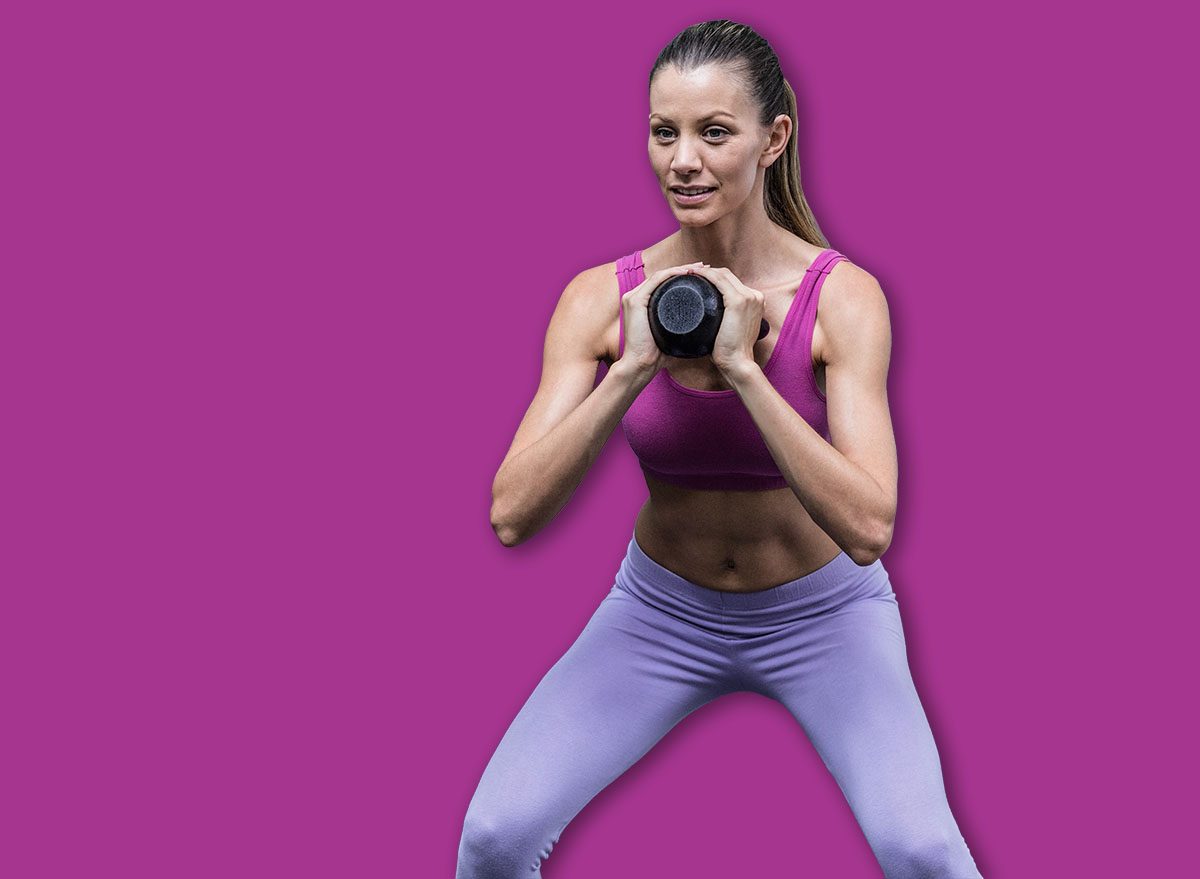
5. The Goblet Squat: Core-Supported Lower Body Strength
By placing the weight in front of the chest, the goblet squat prevents the common mistake of rounding the back.
- The Benefit: It forces the core to work to keep the chest upright, effectively combining leg strength with core stabilization.
6. The Dumbbell Wood Chop: Controlled Rotation
Rotation is a part of life, but it must be controlled. The wood chop involves moving a weight diagonally across the body.
- The Benefit: It builds rotational power and core endurance, teaching the body how to transfer force from the legs through the trunk to the arms.
Expert Perspectives and Professional Implementation
Physical therapists often emphasize that the "strongest" core is not the one that looks best in a mirror, but the one that allows a person to stand tall at 70, 80, and beyond. Dr. Sarah Jenkins, a specialist in geriatric strength training, notes: "The goal after 60 is to create a ‘stiff’ core that can handle life’s unexpected movements. We want to avoid the rigidity of a statue and aim for the stability of a tripod."
When implementing these exercises, the focus must shift from repetition count to quality of movement. If you find yourself leaning, swaying, or losing your breath, the load is likely too heavy.
Implementation Strategy:
- Frequency: Aim for 3–4 sessions per week.
- Progression: Start with bodyweight or light bands. Only move to heavier dumbbells once you can maintain a neutral, upright spine for the duration of the set.
- Integration: These exercises can be performed as a "core circuit" at the end of a workout or woven into your existing routine between sets of lower-body exercises.
Implications for Longevity
The implications of this training approach are profound. A strong core is the primary defense against falls—the leading cause of injury in the elderly. By training the core to handle load and rotation while standing, you are training your brain and body to react effectively to a trip or a stumble.
Furthermore, these movements improve daily quality of life. The ability to carry a grandchild, move a heavy box, or reach for a dish without experiencing a "twinge" in the lower back is the definition of functional independence.
A New Standard
Moving away from the crunch is not an indictment of the past; it is an evolution toward a more capable future. By embracing standing exercises, we honor the way our bodies were designed to move. We are no longer training to look like athletes; we are training to live like them—with grace, balance, and unwavering strength.
As you begin your journey with these six movements, remember that consistency and form are your greatest allies. A strong midsection built after 60 is more than just a fitness goal; it is a vital foundation for a vibrant, active, and independent life.