By Michele Rice
For those navigating the daily reality of chronic pain, life is often defined by a series of invisible, self-imposed boundaries. These lines—some physical, some emotional, and others structural—serve as a survival mechanism, dictating the scope of one’s world. They determine how much energy to expend, which social commitments to decline, and how to structure a day to accommodate fluctuating symptoms. Over time, these boundaries can harden, transforming from necessary protections into rigid, permanent enclosures that dictate the limits of one’s potential.
For me, the morning hours were the most formidable of these lines. Like many living with persistent illness, I am not a person who wakes up ready to conquer the day. Mornings are often defined by profound stiffness, the intrusive volume of pain, and a cognitive fog that makes the transition from sleep to wakefulness a Herculean effort. I have long relied on a strict, predictable routine to manage my health; any deviation from that routine felt like a threat to my fragile stability. If someone had suggested, even a few months ago, that I would voluntarily take on the role of leading a daily morning peer support group, I would have dismissed the idea as an impossibility.
Yet, life has a way of testing the permeability of our self-imposed borders. Today, I stand on the other side of that line, having discovered that the act of reaching out to others can be the most effective way to heal oneself.
A Decisive Shift: The Heart of the U.S. Pain Foundation
The catalyst for this transformation was a simple, yet urgent, organizational need. The U.S. Pain Foundation’s daily peer support group—a vital digital gathering place for those living with chronic illness—found itself in need of new leadership. For the participants, this group is far more than a calendar entry; it is a critical lifeline. In a world that often minimizes or misunderstands the complexities of chronic pain, these sessions provide a rare sanctuary of empathy, shared experience, and communal resilience.
When the opportunity to lead arose, I did not engage in the usual calculus of chronic illness management. I did not weigh the pros and cons, I did not analyze my physical capacity, and I did not dwell on the potential for increased fatigue. My decision was rooted entirely in empathy. I recognized that if this group ceased to function, dozens of people would lose their primary source of daily human connection. I stepped forward not as an expert, but as a peer, driven by the belief that this community deserved to remain intact. At the time, I believed I was making a sacrifice for the benefit of others. I had no idea that this decision would become the most transformative chapter of my own journey.
The Chronology of Adaptation
The transition into this role was anything but seamless. The initial weeks were defined by a difficult process of recalibration. Leading a group every weekday morning required a fundamental restructuring of my biological clock.
- The Adjustment Phase: In the first fourteen days, the physical demand of waking up early and preparing for a digital meeting was intense. My body, accustomed to a slower start, protested the shift.
- The Visibility Hurdle: There is a unique vulnerability in appearing on camera when one’s pain is "loud." It requires a level of performance—not in the sense of deception, but in the sense of professional presence—that is taxing for anyone experiencing invisible symptoms.
- The Facilitation Challenge: Guiding conversations among diverse individuals, all of whom are managing their own health crises, required me to shift from a mindset of self-preservation to one of communal service.
Initially, these requirements felt like a drain. I worried that I was burning through the very energy stores I had worked so hard to protect. However, as the weeks progressed, a fascinating shift occurred. The "drain" I feared became a "fill." By engaging with others, I found myself distracted from my own symptoms, empowered by the collective courage of the group, and reminded that I was not a solitary sufferer in a vacuum, but part of a larger, vibrant network.
Supporting Data: The Clinical Value of Peer Connection
The efficacy of peer support groups for chronic pain is well-documented in medical and psychological literature. According to data from the Journal of Pain and Symptom Management, patients who participate in peer-led support initiatives often report a 20-30% reduction in perceived isolation and a significant improvement in coping mechanisms.
The U.S. Pain Foundation’s model functions on the principle of "shared lived experience." Unlike a traditional doctor-patient relationship, which is inherently hierarchical, peer support is horizontal. Data suggests that this equality fosters:
- Reduced Psychological Distress: Peer interaction mitigates the depression and anxiety that frequently accompany long-term pain.
- Increased Health Literacy: Participants share practical strategies for managing medications, navigating insurance, and communicating with healthcare providers.
- Validation of Experience: For many, the simple act of having their pain "believed" by a peer is more therapeutic than pharmacological intervention alone.
Official Perspectives: The Power of Community
When speaking with representatives from the U.S. Pain Foundation, the consensus is clear: the strength of these groups lies in their accessibility and consistency. "The goal is to eliminate the ‘invisible’ aspect of chronic pain," says one organizational lead. "When you log on and see faces that reflect your own experience, the ‘line’ you’ve drawn around your life begins to expand. You realize you aren’t alone in this, and that changes your physiological and psychological outlook."
The implications of this for the broader healthcare landscape are significant. As the medical community increasingly recognizes the "biopsychosocial" model of pain—which posits that pain is a result of biological, psychological, and social factors—the integration of peer support into standard care plans is becoming a topic of serious discussion. It is a low-cost, high-impact intervention that addresses the human need for belonging, which is often left untreated in traditional clinical settings.
Implications: Growing Beyond the Lines
The most profound implication of this journey is the realization that chronic pain does not have to be an eraser of human potential. We often mistakenly believe that because we have been forced to retreat into a smaller, more manageable life, we are no longer capable of expansion. My experience as a facilitator has proven the opposite.
Growth in the context of chronic illness does not look like the traditional markers of success. It does not require a promotion, a mountain climb, or a burst of high-energy productivity. Instead, growth looks like the quiet act of showing up. It looks like logging on at 9:00 AM, turning on a camera, and saying, "Good morning, everyone."
By doing so, we break the cycle of isolation. We signal to ourselves and to others that we are still here, we are still contributing, and our lives—no matter how modified—still possess deep, inherent value.
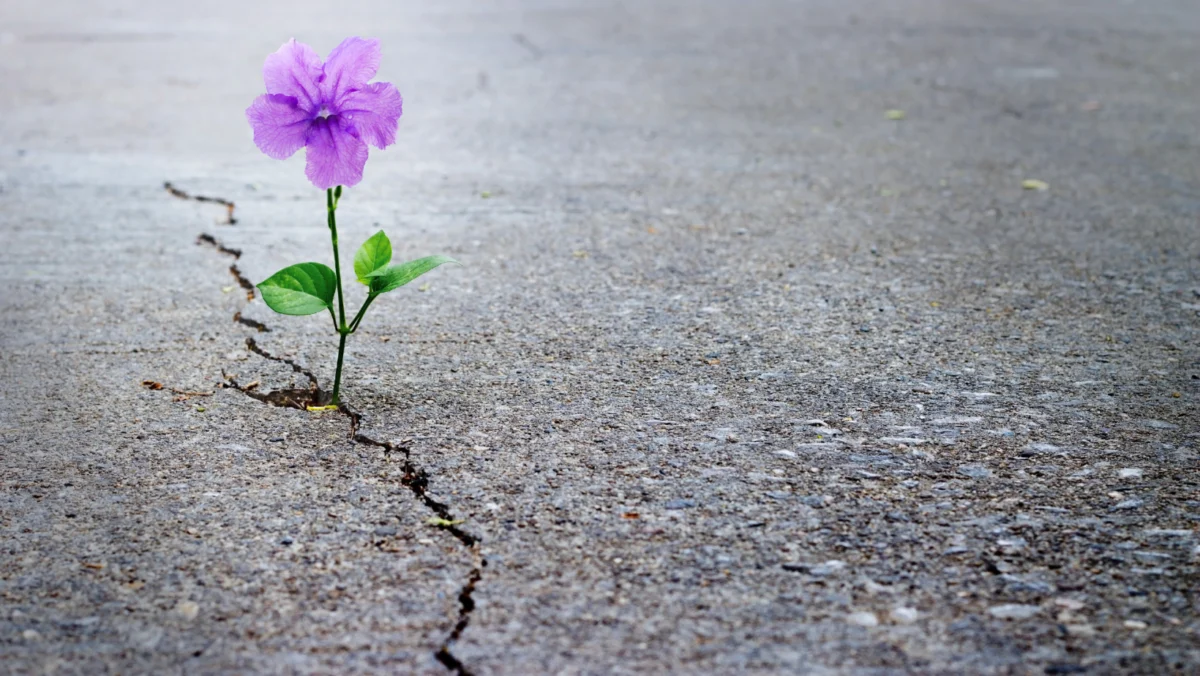
The boundaries I once thought were permanent turned out to be remarkably flexible. I have learned that by stepping outside of my own comfort zone to help others, I have inadvertently helped myself build a more resilient, connected, and meaningful existence. Chronic pain may alter the landscape of our lives, but it does not dictate our reach. It turns out that the most important work we can do is often found right where we are, sitting in front of a screen, holding space for the person on the other side.
In the end, the lines we draw to protect ourselves are the very lines we must eventually learn to cross. When we do, we discover that the space outside those boundaries is not as dangerous as we feared—it is where the community, the connection, and the healing truly live.