





A landmark study published in the European Heart Journal has unveiled a concerning long-term consequence of COVID-19: the potential for the virus to prematurely age the human cardiovascular system. According to the research, individuals who have contracted the virus—particularly women—may experience a stiffening of their blood vessels equivalent to five years of biological aging. This discovery provides a vital piece of the puzzle regarding "Long COVID" and raises significant questions about the future cardiovascular health of millions of global survivors.
The Mechanism of Accelerated Aging
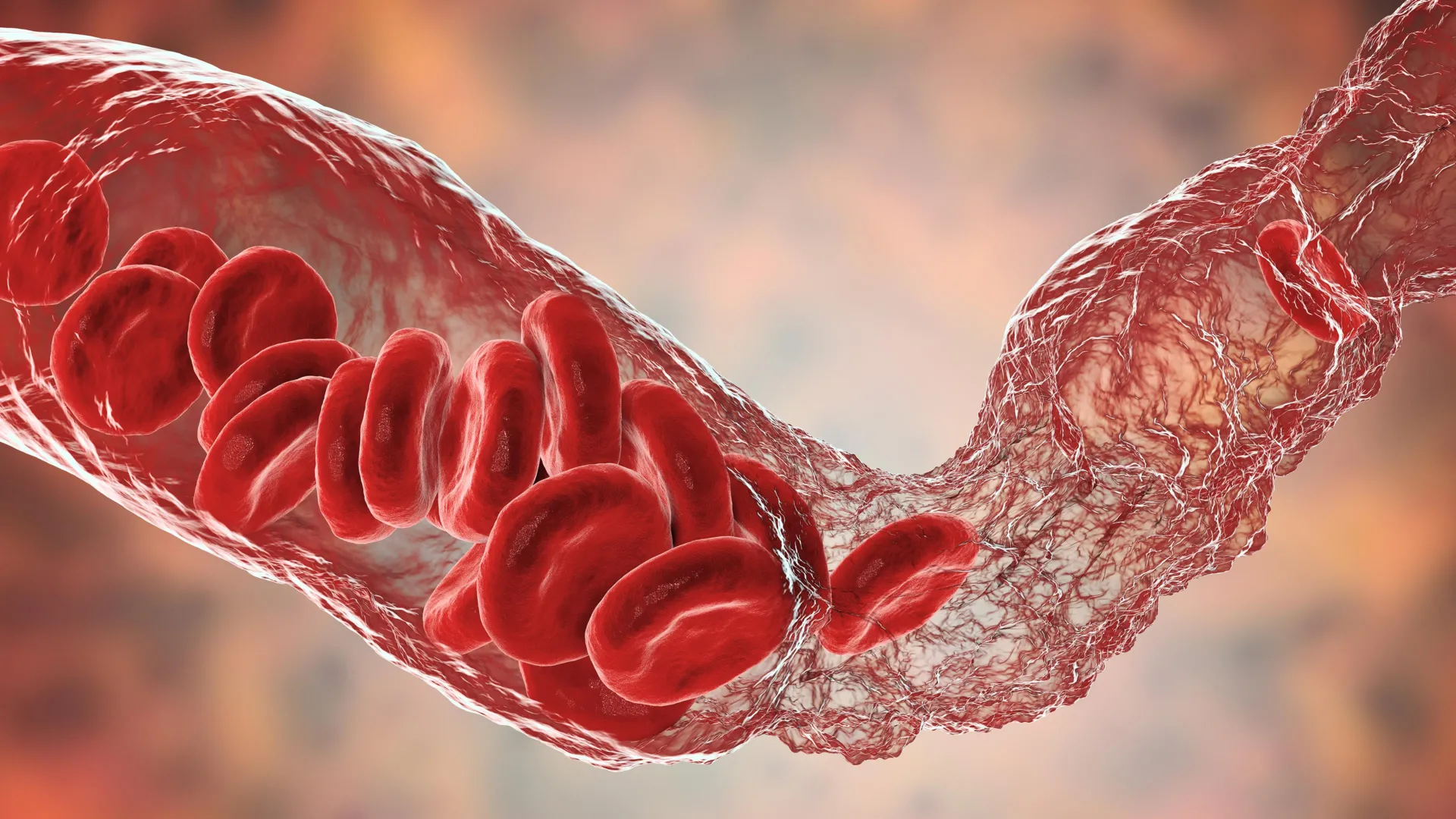
Blood vessels are naturally elastic, allowing them to expand and contract with each heartbeat. Over time, these vessels undergo a gradual process of stiffening, which is a standard marker of chronological aging. However, the study suggests that SARS-CoV-2 acts as a catalyst, accelerating this process regardless of the initial severity of the infection.
"Since the pandemic began, we have learned that many people are left with symptoms that can persist for months or even years," says Professor Rosa Maria Bruno of Université Paris Cité, who led the research team. "We know that COVID-19 can directly affect blood vessels. We believe that this may result in what we call ‘early vascular aging,’ meaning that your blood vessels are older than your chronological age and you are more susceptible to heart disease."
The clinical concern here is profound. Stiffer arteries force the heart to work harder to pump blood, increasing the risk of hypertension, stroke, and myocardial infarction (heart attack). If a person’s vascular age is effectively shifted forward by five years, their risk profile for these life-altering events rises accordingly.
Chronology of the CARTESIAN Study
The investigation, known as the CARTESIAN study, was a massive, multi-continental effort involving 2,390 participants recruited between September 2020 and February 2022. The research spanned 16 countries, including the UK, USA, France, Australia, Brazil, and Turkey, ensuring a diverse demographic cross-section.
Methodology and Assessment
Researchers categorized participants into four distinct groups based on their COVID-19 history:
- The Control Group: Individuals who never contracted the virus.
- Mild/Outpatient Group: Those who had COVID-19 but were not hospitalized.
- General Ward Group: Those hospitalized for COVID-19 on standard wards.
- ICU Group: Those who required intensive care due to the severity of their infection.
To measure "vascular age," researchers utilized carotid-femoral pulse wave velocity (PWV). This non-invasive diagnostic tool measures the speed at which a pressure wave travels between the carotid artery in the neck and the femoral artery in the leg. Higher velocity indicates stiffer arteries, which correlates with higher vascular age. Participants were assessed six months post-infection and again at the 12-month mark to track the progression or stabilization of these vascular changes.
Supporting Data: The Disproportionate Impact on Women
The findings revealed a stark gender disparity. While all cohorts who had contracted COVID-19 showed increased arterial stiffness compared to those who had not, the effect was significantly more pronounced in women.
For women who experienced mild cases, the average increase in PWV was 0.55 meters per second. This rose to 0.60 m/s for those hospitalized on general wards, and a staggering 1.09 m/s for those who had been treated in an intensive care unit.
Researchers noted that an increase of 0.5 m/s is "clinically relevant." In a 60-year-old woman, this level of stiffening is equivalent to adding five years to the vascular system, resulting in a roughly 3% increased risk of future cardiovascular disease. The data also highlighted that those suffering from persistent Long COVID symptoms—such as chronic fatigue and shortness of breath—demonstrated higher levels of arterial stiffness than those who recovered fully.
Interestingly, the study provided a silver lining: vaccination appeared to act as a protective buffer. Participants who had been vaccinated prior to infection generally displayed less arterial stiffness than their unvaccinated counterparts. Furthermore, the longitudinal data showed that, over the long term, the accelerated aging effect seemed to stabilize or, in some cases, show slight improvement.
Scientific Explanations and Immune Responses
Why does the virus target the cardiovascular system with such ferocity? Professor Bruno points to the biological interaction between the virus and the body’s receptors.
"The virus acts on specific receptors, called angiotensin-converting enzyme 2 (ACE2) receptors, which are present on the lining of the blood vessels," Bruno explains. "The virus uses these receptors to enter and infect cells. This leads to vascular dysfunction."
The body’s own defense system may also be a double-edged sword. Researchers hypothesize that the difference between genders in the study might stem from how the immune system functions. Women generally mount a more rapid and robust immune response, which is highly effective at clearing the initial infection. However, this aggressive response can also trigger secondary inflammation that causes collateral damage to the lining of the blood vessels, resulting in the observed stiffness.
Implications for Public Health
The editorial accompanying the study, penned by Dr. Behnood Bikdeli of Harvard Medical School, underscores the gravity of these findings. "The CARTESIAN study makes the case that COVID-19 has aged our arteries, especially for female adults," the authors wrote.
With up to 40% of initial COVID-19 survivors estimated to develop some form of post-acute syndrome, the potential for a wave of early-onset cardiovascular issues is a significant concern for health systems worldwide.
Moving Toward Proactive Management
Despite the sobering nature of the data, the researchers emphasize that vascular aging is not an irreversible death sentence. Because it is easily measurable, clinicians can identify at-risk individuals early.
"Vascular aging can be addressed with widely available treatments," Professor Bruno states. "Lifestyle changes, blood pressure-lowering, and cholesterol-lowering medications can all play a role in mitigating risk. For people with accelerated vascular aging, it is important to do whatever possible to reduce the risk of heart attacks and strokes."
The implications are clear: the healthcare community must pivot from treating COVID-19 as an acute respiratory illness to managing it as a condition with lasting, systemic vascular consequences.
Future Outlook
As the world moves further from the peak of the pandemic, the focus of the medical community is shifting toward the long-term sequelae of the virus. Professor Bruno and her colleagues intend to continue monitoring the CARTESIAN participants over the coming years. Their ongoing goal is to determine if this accelerated vascular aging definitively translates into a higher incidence of heart attacks and strokes in the years ahead.
The CARTESIAN study acts as a critical call to action. It reminds us that while the acute phase of the pandemic may have subsided, the physiological "footprint" of the virus remains. For public health officials, the challenge now lies in identifying those at risk, implementing screening protocols for vascular health, and ensuring that those living with the aftereffects of COVID-19 receive the long-term cardiovascular support they require.
As Dr. Bikdeli and his colleagues noted, the primary question for future research is whether we can find "modifiable targets" to prevent this process in future surges. Until then, awareness of these risks and aggressive management of cardiovascular health factors remain the most effective tools in the clinician’s arsenal.