In the landscape of modern medicine, the definition of "oncology care" is undergoing a profound metamorphosis. For decades, cancer treatment was tethered to the sterile, controlled environment of the infusion clinic or the hospital ward. Today, that paradigm is shifting. Advances in pharmacology have ushered in an era of oral therapies, complex home-based regimens, and personalized treatment plans that allow patients to live their lives outside of medical facilities. However, this liberation comes with a significant trade-off: the burden of care management has increasingly shifted onto the shoulders of the patients and their families.
Navigating a cancer diagnosis is no longer just about managing a disease; it is about managing a complex, daily logistics operation. A leukemia patient might find themselves juggling multiple oral medications, each with rigid dosing schedules, while simultaneously managing comorbidities like diabetes. For others, the challenge lies in the intersection of financial, emotional, and physical obstacles that can derail a treatment plan before it truly begins. Recognizing this, healthcare providers are evolving, moving away from a one-size-fits-all model toward a holistic, "whole-patient" approach. At the forefront of this evolution is the Walgreens Specialty Pharmacy, which is leveraging a multi-disciplinary model to bridge the gap between clinical intent and patient reality.
The Shift Toward Holistic Oncology Care
The traditional model of care often treated the patient as a clinical data point. Modern oncology, however, recognizes that a patient is more than their cancer. They are individuals with financial pressures, emotional needs, and lifestyle goals.
"Patients aren’t just their cancer condition," says Laly Havern, director of clinical pharmacy strategy, oncology at Walgreens Specialty Pharmacy. "They may be struggling with other conditions or have financial barriers, and we’re focused on the whole patient to meet their unique needs."
This philosophy is not merely aspirational; it is operationalized through the Specialty360 model. This framework integrates oncology-trained pharmacists, nurses, dietitians, and benefits specialists into a single, cohesive support network. By building a personalized picture of each patient’s journey, the model aims to ensure that no patient is left to navigate the complexities of their treatment in isolation.
Chronology of Care: The Patient Journey
The Walgreens approach begins long before a patient takes their first pill. The journey is broken down into critical stages, each requiring a different level of intervention.
Phase 1: The Pre-Treatment Onboarding
The moment a prescription is received, the clock starts ticking on treatment efficacy. Walgreens teams immediately begin coordinating with oncology clinics to handle the administrative heavy lifting. This includes securing prior authorizations and navigating the intricate web of insurance reimbursement requirements.
"Our care programs are developed on both the medication and disease level," explains Darren McLane, senior director of clinical services at Walgreens Specialty Pharmacy. "Every drug comes with its own financial support model, administration requirements, and side effect profile. Our teams are built to anticipate those needs early so patients aren’t navigating those complexities alone."
Phase 2: Financial Navigation and Resource Allocation
For many patients, the cost of therapy is the most daunting barrier. The pharmacy’s billing and reimbursement specialists work in tandem with digital platforms like TailorMed to identify copay assistance programs, grants, and foundation support. This proactive approach to cost-reduction is strategic; it prevents the "sticker shock" that often leads to treatment abandonment. As Havern notes, "It doesn’t do the patient any good to get a same-day drug with a $500 copay if taking an extra day could reduce that cost to zero."
Phase 3: Home-Based Management and Education
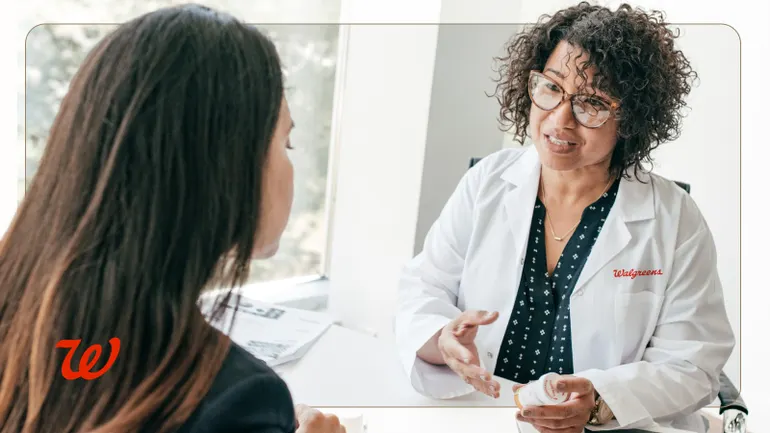
Once treatment begins, the focus shifts to education and consistency. Sarah Schmidt, an oncology pharmacist in Wauwatosa, Wisconsin, emphasizes that the transition to home-based care requires constant, high-touch communication. From creating physical calendars for cycled dosing schedules to conducting thorough medication reviews, the goal is to provide the patient with a clear roadmap.
Phase 4: Ongoing Support and Symptom Monitoring
As treatment continues, the care team remains a constant presence. Through regular screenings, pharmacists monitor for side effects—such as nausea or blood clots—ensuring that interventions occur before symptoms become debilitating. This "extension of the team" approach ensures that if a patient needs support, they have a direct line to a professional who understands their specific history and current treatment cycle.
Supporting Data: By the Numbers
The success of this integrated approach is reflected in key performance indicators that distinguish it from the industry standard.
- Medication Adherence: Walgreens Specialty Pharmacy has achieved a 92% medication adherence rate, significantly outperforming the industry benchmark of 80%. This gap represents thousands of patients who are successfully staying on their prescribed therapies, directly impacting their survival outcomes.
- Financial Relief: In the first half of 2024 (January through June), the impact of financial coordination was profound: 56% of patients paid $0 out-of-pocket for their cancer therapy and concurrent medication needs.
- Proactive Symptom Management: During routine consultations, 47% of patients were identified as needing anti-nausea medication despite not having been prescribed one, highlighting the necessity of proactive screening in clinical guidelines.
- Future Planning: Roughly 20% of patients surveyed had not discussed fertility options with their care team prior to intervention by the pharmacy, underscoring the importance of comprehensive, multidisciplinary screenings.
Official Perspectives: The Philosophy of Care
The leaders at Walgreens Specialty Pharmacy consistently highlight that "showing up" is the most critical part of the job. It is not just about the transaction of filling a prescription; it is about the "moments between appointments"—the phone calls, the check-ins, and the education that keep a patient on track.
The introduction of specialized services, such as the Feel More Like You® program, acknowledges that the physical side effects of cancer—such as hair loss or skin changes—can be just as taxing as the disease itself. By connecting patients with beauty and wellness consultants who recommend safe products, the program restores a sense of dignity and normalcy to the patient experience.
Furthermore, the recent launch of a dietitian program addresses a common but overlooked challenge: the impact of cancer therapy on appetite and nutrition. By providing tailored dietary advice, the team ensures that patients maintain the physical strength required to tolerate their treatments.
Implications for the Future of Oncology
The shift toward a patient-led, home-based oncology model is not a passing trend; it is the future of the industry. As cancer becomes more manageable through sophisticated targeted therapies, the burden of coordination will only increase. This environment demands a healthcare system that is as dynamic as the treatments themselves.
Implications for Healthcare Providers
For clinics and hospitals, the takeaway is clear: collaboration is essential. By offloading the administrative and logistical burdens to specialized pharmacy teams, clinical providers can focus on the core medical aspects of treatment, secure in the knowledge that the patient is supported in their home environment.
Implications for Patients
For patients, the implications are even more personal. A patient who is not worrying about how to afford their next dose, or who understands how to manage their nausea, or who has a plan to attend a family milestone, is a patient who is more likely to continue their therapy. The integration of emotional, financial, and physical support turns the "cancer journey" from a series of disjointed, stressful events into a managed, supported process.
Implications for the Industry
The success of the Specialty360 model suggests that the future of specialty pharmacy lies in its ability to act as a "connective tissue" within the healthcare system. As care becomes more fragmented, those who can centralize support, simplify complex insurance landscapes, and provide human-centric care will set the new standard for clinical outcomes.
Conclusion
Behind every industry-leading outcome, there is a complex, daily effort to keep the patient at the center of the equation. Whether it is helping a parent prepare for a future family or simply ensuring that a patient can attend a wedding five months away, the "extraordinary outcomes" in oncology are built on the foundation of a million small, everyday interactions. As Walgreens Specialty Pharmacy continues to refine its model, the goal remains singular: to ensure that patients are not just surviving their treatment, but are empowered to thrive despite it.
By combining clinical expertise with compassionate, holistic support, the pharmacy is proving that when you care for the whole person, you do more than just treat a disease—you restore hope.
To learn more about how Walgreens Specialty Pharmacy supports patients through every step of their cancer journey, visit their official website.
Sources:
- Walgreens internal data.
- January 1, 2024 – June 30, 2024. Walgreens Specialty Pharmacy internal reporting, K. Khan, July 15, 2024.
- Walgreens internal data.
- Walgreens internal data.