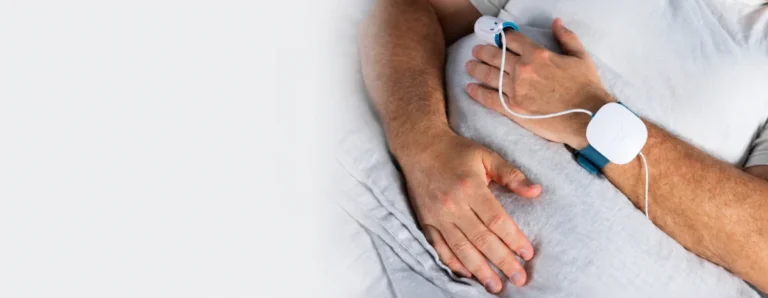
For an estimated 80 million Americans, the nightly ritual of sleep is not a period of restorative rest, but a life-threatening battle for breath. Sleep apnea, a chronic condition characterized by repeated interruptions in breathing, remains one of the most pervasive yet misunderstood health crises in the United States. Despite its prevalence, a staggering 80% of those affected remain undiagnosed, trapped in a cycle of fatigue, cardiovascular risk, and social isolation.
In a concerted effort to dismantle the stigma and bridge the diagnostic gap, the non-profit organization Project Sleep has officially revitalized its "Sleep Apnea: Let’s Face It!" campaign. As the nation approaches Sleep Apnea Education Week (April 18–26), this year-round initiative serves as a clarion call to patients, clinicians, and the public to confront the stereotypes that keep millions from seeking the care they desperately need.
The Invisible Crisis: Main Facts and Public Health Impact
Sleep apnea—specifically Obstructive Sleep Apnea (OSA)—occurs when the airway becomes blocked during sleep, causing breathing to start and stop repeatedly. While the public often associates the condition with a specific demographic—typically older, overweight men—the reality is far more diverse. Women, children, and individuals of all body types suffer from the condition, yet they are frequently dismissed by primary care physicians who fail to recognize the atypical presentation of symptoms.
The clinical consequences of untreated sleep apnea extend far beyond simple daytime grogginess. Chronic oxygen deprivation is linked to an increased risk of hypertension, type 2 diabetes, stroke, and heart failure. Furthermore, the persistent cognitive impairment caused by sleep fragmentation leads to a significant increase in workplace accidents and motor vehicle collisions, positioning sleep apnea as a silent contributor to broader public safety concerns.
"The goal of ‘Let’s Face It!’ is to move the conversation away from outdated tropes and toward the lived experience of the patient," says a spokesperson for Project Sleep. "When we show that anyone can have sleep apnea, we empower individuals to listen to their bodies and demand the diagnostic testing they are entitled to."
A Chronology of Advocacy: The Road to Awareness
The movement to prioritize sleep health has gained significant momentum over the last decade. Historically, sleep apnea was treated as a niche medical concern, often relegated to secondary status in general practitioner curricula.
- 2015–2018: Early grassroots efforts began to emerge as digital patient communities formed on social media, allowing people to swap stories about the frustrations of CPAP (Continuous Positive Airway Pressure) therapy and the difficulty of receiving an accurate diagnosis.
- 2020: The COVID-19 pandemic inadvertently highlighted the importance of respiratory health, bringing sleep disorders into the spotlight as part of the broader conversation on immune system resilience and metabolic health.
- 2024–2025: Project Sleep expanded its digital infrastructure, launching the "Sleep Apnea Squad" series to provide a centralized hub for accessible, jargon-free medical guidance.
- April 2026: The current "Sleep Apnea: Let’s Face It!" campaign marks the most ambitious outreach phase to date, timed specifically to coincide with Sleep Apnea Education Week, leveraging social media to create a global mosaic of real-world faces affected by the disorder.
Supporting Data: The Disparity Between Prevalence and Diagnosis
The statistics surrounding sleep apnea are stark. According to data provided by the American Academy of Sleep Medicine and supported by Project Sleep’s research, the disparity between those who have the condition and those who have been formally diagnosed is a failure of the healthcare system.
- 80 Million: The estimated number of U.S. adults living with some form of sleep-disordered breathing.
- 80%: The portion of that population currently walking through life undiagnosed and untreated.
- Symptom Variance: While snoring is a hallmark, it is not universal. Many patients report morning headaches, profound irritability, "brain fog," and a complete lack of energy that caffeine cannot resolve.
These data points are not merely numbers; they represent millions of individuals living in a state of physiological stress. By highlighting these figures, Project Sleep hopes to provide clinicians with the evidence needed to prioritize screening during routine physicals, particularly for patients reporting unexplained fatigue or metabolic instability.
Official Responses and Clinical Empowerment
The campaign is not just for patients; it is a direct appeal to the medical community. Project Sleep has developed a comprehensive suite of resources—including downloadable infographics and clinical fact sheets—to assist doctors in educating their patients.
"We often hear from patients that their doctor didn’t take their concerns seriously because they didn’t ‘look’ like the classic profile of an apnea patient," explains Emma Cooksey, Project Sleep’s Sleep Apnea Program Manager. "Our materials are designed to be printed, pinned, and shared in waiting rooms, providing a bridge of communication between the patient’s concern and the doctor’s clinical toolkit."
The initiative encourages healthcare providers to participate in the campaign by taking photos with the official "I’m All In" signage. This act of visible support serves to humanize the patient-provider relationship, creating an environment where patients feel safe disclosing symptoms without the fear of being trivialized.
The "Sleep Apnea Squad": Education for the Modern Patient
At the heart of the campaign’s educational strategy is the "Sleep Apnea Squad" series. Hosted by Emma Cooksey, this multi-media project utilizes podcasts, video webinars, and downloadable toolkits to demystify the journey from the first sleep study to the nuances of daily CPAP management.
A highlight of this year’s outreach is the dedicated segment, Women and Sleep Apnea, scheduled for broadcast on Tuesday, April 21, 2026, at 2 p.m. EDT. This panel addresses a critical gap in medical literature: the fact that women are frequently misdiagnosed with anxiety or depression when their primary issue is actually sleep-disordered breathing. Because women often experience insomnia or fatigue rather than the "classic" loud snoring, they are frequently overlooked by current diagnostic algorithms.
Implications for the Future: Building a More Supportive Infrastructure
The success of the "Let’s Face It!" campaign hinges on its ability to normalize the conversation. When individuals share their photos and stories under the hashtag #SleepApneaLetsFaceIt, they are participating in a larger cultural shift. They are stripping away the shame associated with wearing a mask to sleep or having a "breathing disorder."
The implications of this campaign are twofold. First, it fosters immediate, individual change by encouraging those with symptoms to seek a consultation. Second, it exerts long-term pressure on the healthcare system to adopt more inclusive diagnostic criteria.
As we look toward the conclusion of Sleep Apnea Education Week, the message from Project Sleep is clear: The path to a healthier society begins with a single night of quality, uninterrupted rest. By fostering a culture of empathy and education, the "Let’s Face It!" campaign is laying the foundation for a future where sleep apnea is identified early, treated effectively, and understood as a manageable health condition rather than a life-altering stigma.
For those interested in participating, all resources, including the campaign signage and educational toolkits, are available on the Project Sleep website. The organization invites everyone—patients, family members, and medical professionals—to contribute their voices to the movement, ensuring that no one has to face the long, exhausting nights of sleep apnea alone.