





By Jonathan Gardner | Published August 19, 2026
In a milestone moment for biotechnology, Moderna has announced highly encouraging interim data from its pivotal Phase 3 clinical trial for intismeran autogene (formerly known as V940 or MRNA-4157). The individualized mRNA cancer vaccine, developed in collaboration with Merck, has demonstrated a remarkable ability to prevent disease recurrence and metastasis in high-risk patients. This development has not only sent Moderna’s stock surging but has also provided the strongest evidence to date that the mRNA platform—having revolutionized the global response to COVID-19—could hold the key to a new era of cancer immunotherapy.
Main Facts: A New Frontier in Personalized Medicine
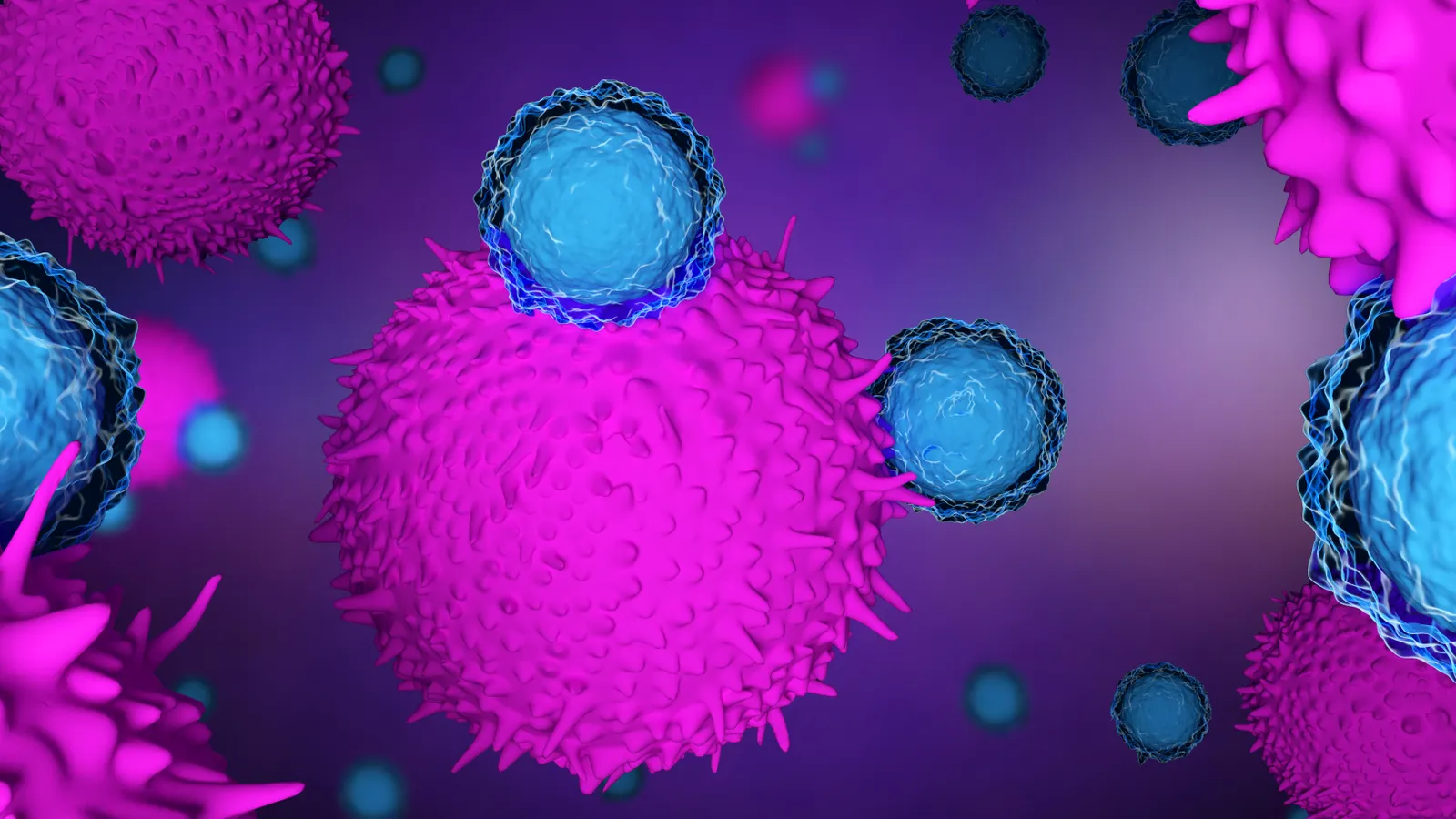
The core of this breakthrough lies in the shift from “one-size-fits-all” medicine to truly personalized oncology. Intismeran is an individualized antigen therapy designed to teach the immune system to recognize and eliminate residual cancer cells that remain after primary treatment. By sequencing a patient’s specific tumor and identifying up to 34 unique “neoantigens,” Moderna’s mRNA technology instructs the body to produce proteins that flag the cancer for destruction by T-cells.
In the INTerpath-001 study, which enrolled 1,137 participants, the vaccine is being tested as an adjuvant therapy—a treatment administered after surgical removal of tumors to prevent the disease from returning. The trial compares the efficacy of the intismeran-Keytruda combination against the current standard of care, Keytruda (pembrolizumab) monotherapy. The interim data indicates that the combination is significantly more effective at keeping the disease at bay, marking a definitive victory for the mRNA-based approach.
Chronology: The Long Road to mRNA Efficacy
The history of cancer vaccine research has been, until recently, a chronicle of disappointment. For decades, researchers attempted to create vaccines targeting single proteins, often with limited success. The immune system, in its complexity, often ignored these singular signals or was suppressed by the tumor microenvironment.
The Era of "Single-Antigen" Failure
Prior to the mid-2010s, the scientific community largely viewed cancer vaccines with skepticism. Early trials focused on injecting patients with a single, identified antigen. These vaccines often failed to stimulate a robust enough immune response to overcome the immunosuppressive nature of tumors. Patients in these trials were frequently in late-stage, metastatic settings, where their immune systems were already exhausted or compromised.
The mRNA Pivot
Moderna’s rise, fueled by its success during the COVID-19 pandemic, provided the infrastructure and capital necessary to revisit these challenges with a more sophisticated platform. By 2020, Moderna had already been pivoting toward oncology, applying the speed and flexibility of its mRNA manufacturing to personalized medicine.
The Clinical Turning Point
The current success is built upon the foundation of early-stage trials, most notably the Phase 2 study of 157 patients. That study showed a 44% reduction in the relative risk of death or recurrence compared to Keytruda alone. This result served as the "proof of concept" that emboldened the company to initiate the massive, 1,137-patient INTerpath-001 trial. The August 2026 interim check confirms that the early promise has been sustained in a larger, more diverse patient population.
Supporting Data: Understanding the Numbers
The metrics surrounding intismeran are being scrutinized by analysts and oncologists alike. To understand why this trial is causing such a stir, one must look at the benchmarks of existing therapies.
Comparative Analysis
Keytruda, an anti-PD-1 therapy, is already a powerhouse in cancer treatment. According to the KEYNOTE-054 study, Keytruda monotherapy reduces the risk of death or recurrence by 43% compared to a placebo. Moderna’s challenge was to demonstrate that adding intismeran to this already potent backbone could provide an additive—or synergistic—benefit.
Clinical Benchmarks
Financial analysts, including Evercore ISI’s Cory Kasimov, have provided a roadmap for how the market interprets these results:
- 20% Risk Reduction: Viewed by industry executives as the minimum "clinical benchmark" to justify the complexity of manufacturing a patient-specific vaccine.
- Below 25%: Likely to be viewed by Wall Street as “underwhelming,” failing to justify the premium price of a personalized therapy.
- 35% to 40%: Considered “clearly differentiated” and likely to lead to rapid adoption and blockbuster status.
The data released this August places intismeran comfortably within the "differentiated" category, validating the investment thesis for mRNA-based cancer therapies.

Official Responses and Industry Sentiment
The clinical community is reacting with cautious optimism. While the data is robust, experts emphasize that long-term survival data is the final hurdle.
“We are looking at a fundamental shift in how we approach the adjuvant setting,” says Dr. Elena Rossi, a lead researcher in immuno-oncology. “By priming the immune system with the exact blueprint of a patient’s own tumor, we are moving past the ‘trial and error’ phase of immunotherapy.”
Moderna’s leadership, meanwhile, is highlighting the scalability of their manufacturing process. “The challenge was never just the biology,” noted a company spokesperson. “It was the ability to rapidly sequence, synthesize, and deliver a personalized medicine within a timeframe that is clinically meaningful. We have solved that logistical hurdle.”
Implications: A New Era for Oncology and Beyond
The success of intismeran has profound implications for the future of medicine, moving far beyond the current focus on melanoma.
Expansion into "Hot" Tumors
The current success in melanoma is just the beginning. The pharmaceutical industry is now shifting its gaze to "hot" tumors—cancers where the immune system is already present but ineffective. Kidney cancer, bladder cancer, and non-small cell lung cancer (NSCLC) are the next logical targets. Because these cancers are highly responsive to immune-based therapies, researchers believe the intismeran platform could demonstrate even greater efficacy in these indications.
Commercial and Economic Impact
If intismeran achieves FDA approval, it will likely command a significant price tag, reflective of the high-touch, patient-specific nature of its manufacturing. However, if the therapy successfully prevents recurrence, the long-term savings to the healthcare system—by avoiding the massive costs associated with treating metastatic, late-stage cancer—could be substantial.

The mRNA Platform Advantage
Beyond cancer, this trial proves that mRNA technology is not a one-trick pony. The ability to “program” the immune system to recognize specific biological threats—whether they are viral proteins or tumor neoantigens—suggests that we are entering a decade where the immune system is treated as a programmable tool.
Looking Ahead: The Next Twelve Months
The medical community is now awaiting results from kidney and bladder cancer trials, expected later this year or early 2027. If these results mirror the success seen in the INTerpath-001 study, intismeran will almost certainly become the new standard of care in adjuvant oncology.
For patients, the implication is simple: a future where cancer is not just treated, but preempted. For Moderna, the data confirms that their pivot from a pandemic-focused vaccine manufacturer to a personalized oncology powerhouse is complete. As researchers continue to monitor the participants in the INTerpath-001 study, the world watches to see if this success marks the beginning of the end for cancer’s dominance.