





By Industry Insights Desk
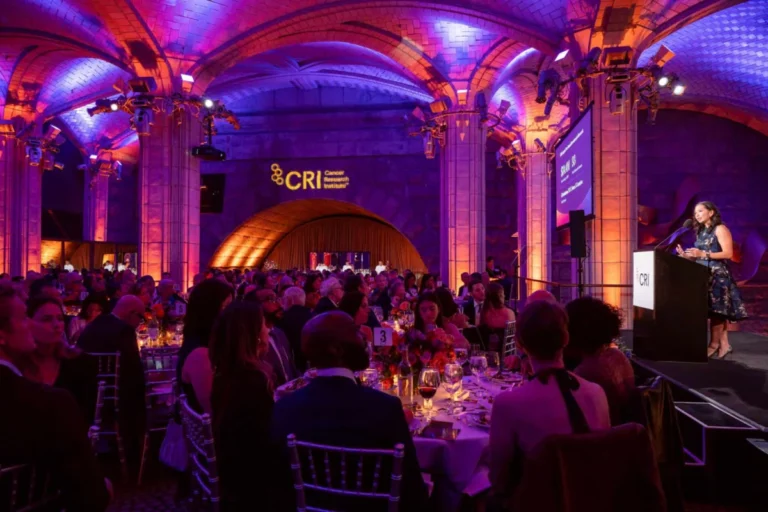
On April 9, 2026, the New York Genome Center served as the epicenter for one of the most consequential dialogues in modern medicine. Lumanity’s Cancer Progress 2026 meeting, a forum that has shaped the discourse of oncology for nearly four decades, pivoted away from the traditional celebration of biotech innovation. Instead, the one-day symposium functioned as a high-stakes "pressure test" for the pharmaceutical and research industries, challenging leaders to confront the structural inefficiencies and scientific bottlenecks currently stalling the next generation of cancer breakthroughs.
The central thesis of the event was both blunt and necessary: the "shotgun" approach to drug development—historically known as "throwing spaghetti at the wall"—has reached its limit. As the industry looks toward an increasingly complex future, the consensus among experts is that the era of productive chaos must give way to a more disciplined, biology-first paradigm.
The Evolution of Oncology: From Serendipity to Precision
To understand the current state of oncology, one must first appreciate its historical trajectory. For decades, the field of immuno-oncology thrived on a mix of bold intuition and serendipitous discovery. Many of the most successful therapies currently on the market emerged from robust, albeit imperfect, biological models. Researchers operated on a philosophy of "test first, understand later," which allowed for rapid hypothesis generation.
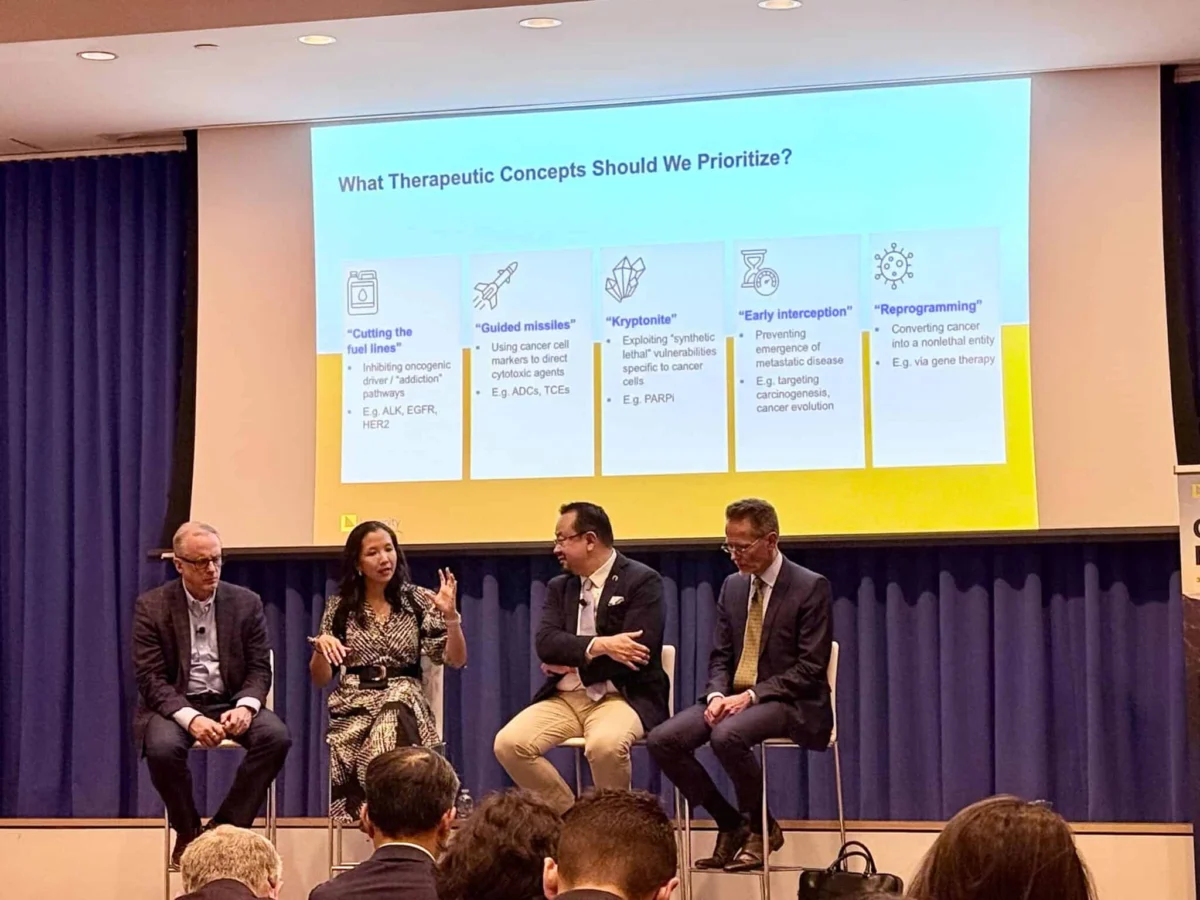
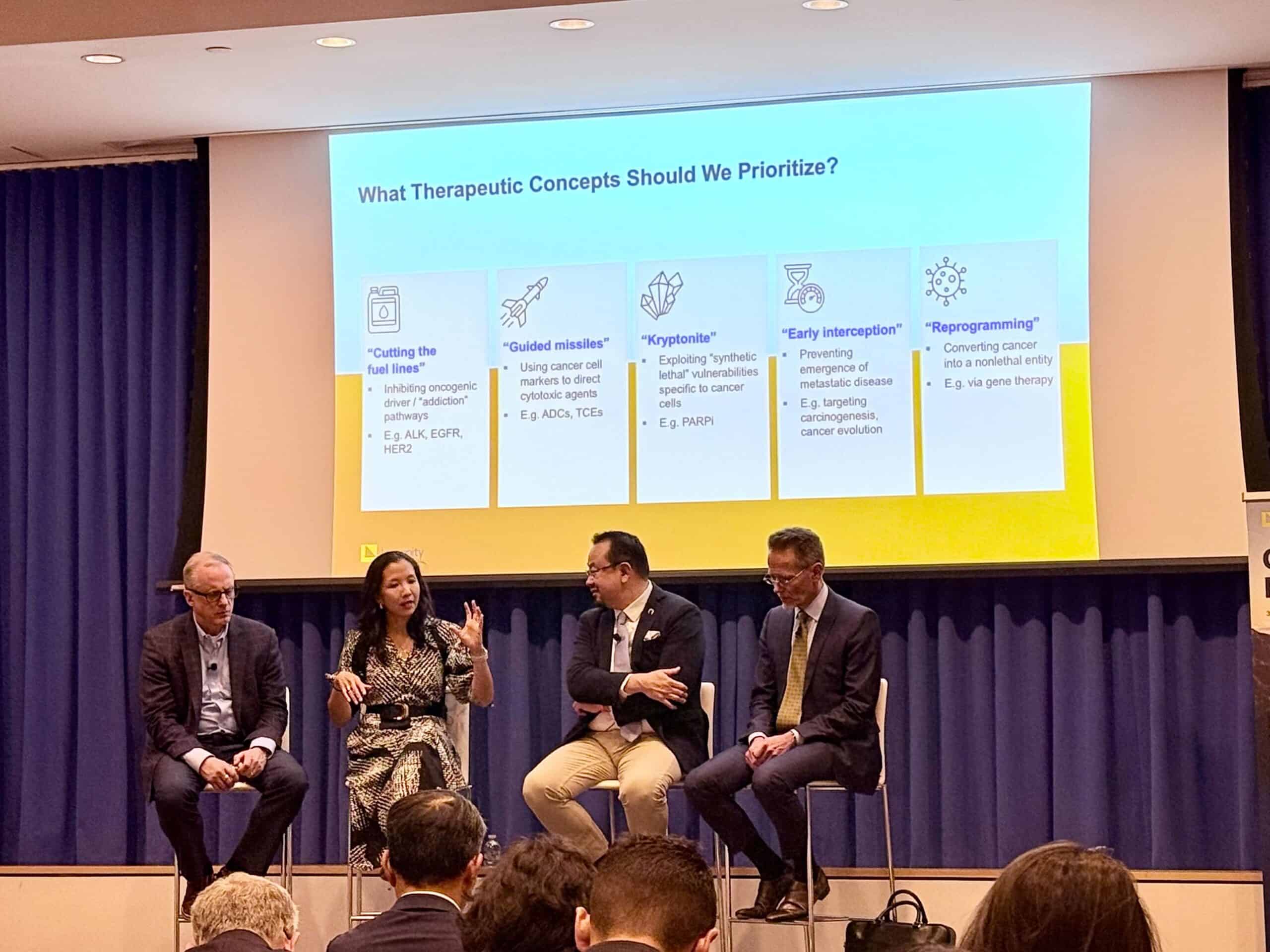
However, as the final panel of the day, "Beyond Next-Gen: How Should We Engineer Future Breakthroughs?" made clear, this iterative, high-volume experimentation is beginning to yield diminishing returns.
The End of "Productive Chaos"
Dr. Alicia Zhou, Chief Executive Officer of the Cancer Research Institute (CRI), provided a nuanced critique of the current development pipeline. She argued that while experimentation remains the lifeblood of science, the industry has become addicted to the wrong kind of volume.
"There has to be the right time in the development pipeline—when I do think ‘spaghetti’ could be the right technique," Dr. Zhou noted during the panel. "But, when it comes to combinations, when you’re thinking about the multiple permutations that you could possibly have—that’s where we have to be more directed."
The panel highlighted a growing trend: the "over-indexing" of combination therapies. When two independent drugs show modest efficacy, the default industry response is to combine them, expand the trial size, and attempt to scale across multiple tumor types. This approach, while theoretically sound, often results in a "pantry-dumping" strategy where the sheer number of variables—dosing, timing, patient selection, and molecular interactions—becomes impossible to decouple. The result is a signal buried under the weight of excessive data.
The Complexity Mismatch: A Call for Structural Change
A recurring theme throughout the meeting was the fundamental disconnect between the biological complexity of cancer and the industry’s simplified approach to tackling it. Cancer is not a monolithic adversary; it is a heterogeneous, adaptive, and highly variable collection of diseases. Yet, the current "playbook" often treats different cancers with a uniform methodology.
Redefining Failure
Dr. Zhou offered a vital correction to how the industry views "failure." In many clinical trials, a drug is deemed a failure if it does not meet its primary endpoint. But this binary outcome ignores the granular reality of biological interaction. A drug might fail because it targets the wrong molecule, or because the patient lacks the necessary biomarker, or because the cancer possesses an inherent resistance mechanism that triggers clonal expansion.
"The reason why we’re not seeing great outcomes across all tumor types is different," she explained. "There are very different problem sets to be solved." By failing to distinguish between these causes of death for a clinical candidate, the industry risks abandoning potentially transformative therapies before they have been properly optimized.
AI: A Tool, Not a Panacea
No discussion on the future of medicine in 2026 is complete without addressing Artificial Intelligence. At Cancer Progress 2026, the discourse surrounding AI was notably tempered by realism.
The "Hallucination" Risk
While AI is being hailed as the engine of the next decade, Dr. Zhou offered a stark warning to those expecting the technology to solve the "biology problem" independently.
"I believe generative AI is going to hit a wall," she cautioned. "It cannot predict things that we cannot actually validate biologically in the physical world."
The concern is that without high-quality, grounded biological data, AI models may produce "hallucinations"—technically plausible but biologically nonsensical pathways. The panel reached a consensus: AI is a powerful tool for pattern recognition and workflow optimization, but it is not a replacement for fundamental biological inquiry. To address this, the industry must pivot toward platforms like the CRI Discovery Engine, which seeks to map the "contours of the immune system" rather than merely chasing molecular minutiae. The goal is to move away from brute-force computational power and toward mechanistic understanding.
The Bottleneck: Why Immunotherapy is Different
Immuno-oncology has exposed the limitations of traditional drug development more than any other field. Unlike targeted therapy, which seeks to inhibit a specific enzyme or protein, immunotherapy attempts to orchestrate an entire ecosystem—the immune system—to recognize and eliminate a tumor.
This is a communication problem as much as a pharmacological one. When an immunotherapy fails, researchers are often left guessing: Did the drug reach the immune system? Did the T-cells respond? Did they infiltrate the tumor microenvironment?
The industry’s standard response to these unknowns—adding more drugs to the mix—is an indictment of our current knowledge gap. The panel concluded that we have significantly under-invested in the "intermediate biology" of these interactions. Until we understand the "conversation" between cell types, we are effectively working in the dark, hoping that more trial activity will compensate for a lack of foundational insight.
The Economic Imperative: Can the Model Survive?
The final segment of the meeting shifted from the laboratory to the boardroom. The reality of the modern oncology landscape is that science is becoming sharper and more expensive, while the regulatory and economic frameworks remain anchored to the blockbuster models of the late 20th century.
- The Patent Cliff: As major players face the expiration of key patents, there is an urgent need to replace declining revenues with sustainable, high-value pipelines.
- Smaller Patient Populations: As we move toward ultra-personalized medicine, the addressable market for each drug shrinks. Developing a billion-dollar therapy for a small subset of patients is a structural challenge that current pricing and reimbursement models struggle to justify.
- Systemic Shifts: The panel advocated for a move toward synthetic control arms, real-world evidence, and adaptive trial designs. These are not merely administrative changes; they are essential shifts in how we define "evidence" and "value" in the modern era.
Implications: The Road Ahead
As the meeting concluded, the tone was one of sober urgency. Dr. Zhou framed the coming disruption not as a possibility, but as an inevitability. Global competition, particularly from emerging biotech hubs, is moving at a pace that legacy pharmaceutical companies cannot match using traditional, slow-moving development cycles.
The "take-home" message of Cancer Progress 2026 was clear: the industry must evolve or face obsolescence. We have reached a point where the generation of data has outpaced our ability to synthesize it. The future of oncology lies not in "throwing more at the wall," but in the intentional, disciplined, and technologically assisted decoding of the biological mechanisms that drive cancer escape.
The question for the next decade is not whether we can generate more innovations, but whether we can finally make sense of the ones we already have. If the industry can pivot toward this more rigorous, mechanistic, and integrated approach, it may finally bridge the gap between the promise of modern biotechnology and the reality of patient outcomes.