For decades, the public health narrative surrounding lung cancer has been tethered to a single, powerful image: the cigarette. While smoking remains the leading preventable cause of lung cancer worldwide, a quiet, shifting tide in oncology is forcing a rewrite of the conventional wisdom. Researchers are increasingly documenting a surge in lung cancer diagnoses among individuals who have never picked up a cigarette—a condition now recognized as "Lung Cancer in Never-Smokers" (LCINS).
This emerging disease entity represents between 10% and 20% of all lung cancer cases. As cases continue to rise, the medical community is moving away from the "smoker’s disease" stigma to address the complex, biologically distinct, and often more elusive nature of LCINS.
Main Facts: Understanding the Shift
At its core, LCINS is not simply "lung cancer without the smoking history." It is a biologically distinct disease. While smoking-related lung cancers are often the result of cumulative DNA damage from thousands of toxic chemicals found in tobacco, LCINS is frequently driven by a more limited, yet highly specific, set of genetic mutations.
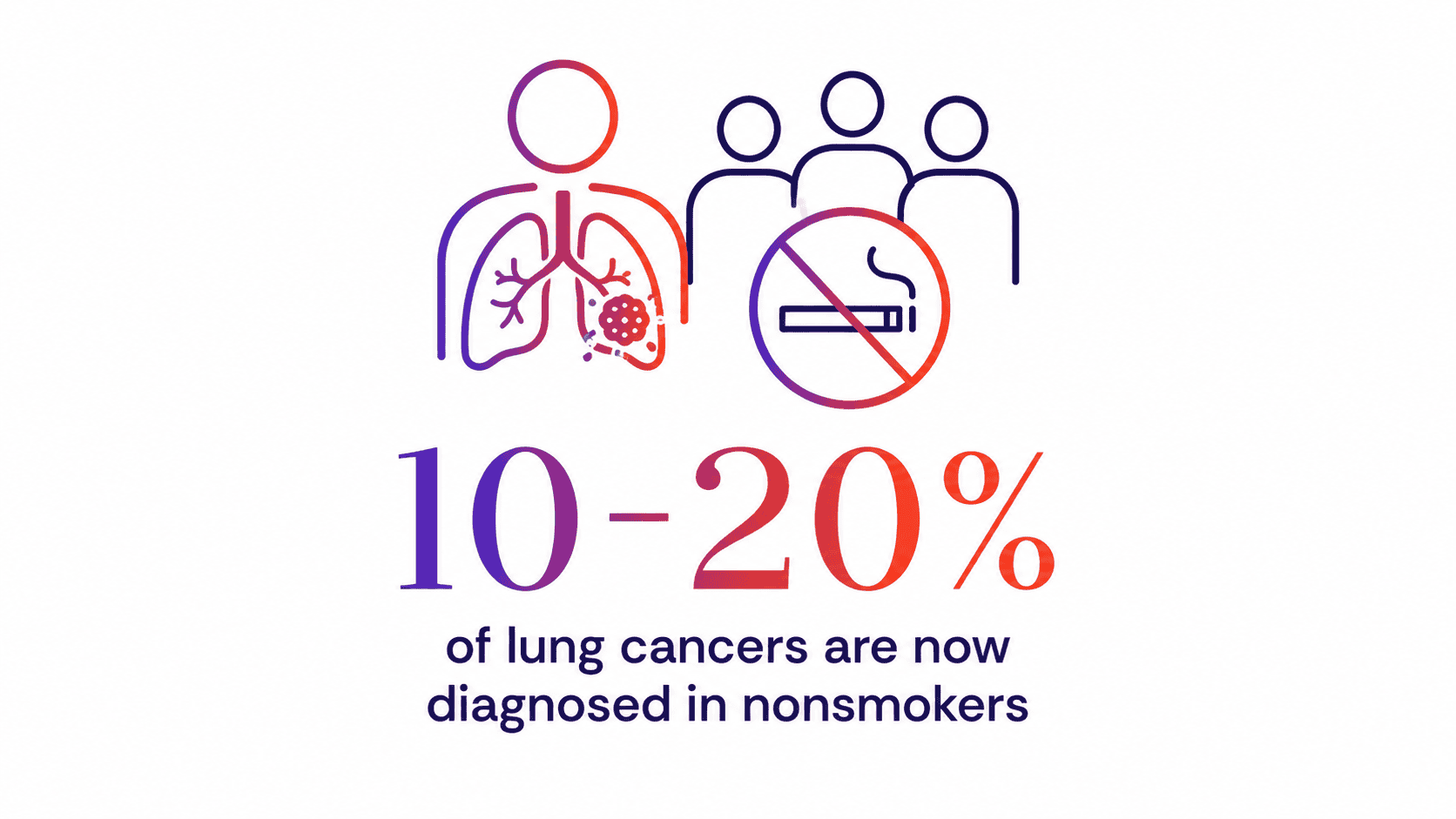
The demographic profile is also shifting. LCINS occurs disproportionately in women, with two-thirds of cases diagnosed in female patients. Furthermore, there is a notable prevalence among individuals of Asian descent. These disparities suggest a deep-seated interplay between genetic predisposition and environmental triggers that scientists are only beginning to decode.
Chronology: The Evolution of Awareness
The trajectory of lung cancer research has followed a distinct path over the last century:
- Mid-20th Century: The causal link between tobacco use and lung cancer was solidified, leading to decades of public health policy centered exclusively on smoking cessation.
- Early 2000s: Epidemiologists began noticing a plateau in smoking rates, yet a steady, inexplicable rise in non-smoking-related adenocarcinoma diagnoses began to emerge in global registries.
- 2015–2020: Advanced genomic sequencing revealed that LCINS tumors often carry specific "driver mutations"—such as EGFR, ALK, or ROS1—that are fundamentally different from the mutational burden seen in heavy smokers.
- 2026 (Present Day): With the intensification of climate-related events, such as the catastrophic Canadian wildfires of summer 2026, the global scientific community has shifted its focus toward air quality and fine particulate matter (PM2.5) as critical, under-studied catalysts for this disease.
Supporting Data: The Environmental Catalyst
The rise in LCINS is likely multifactorial, stemming from a combination of inherited susceptibility and environmental exposure. Three primary culprits have been identified by researchers:
1. Secondhand Smoke
Though public health initiatives have reduced exposure in many workplaces and restaurants, residential exposure remains a significant threat. Secondhand smoke contains roughly 7,000 chemicals, 70 of which are known carcinogens. Even brief, intermittent exposure can cause cellular damage to the delicate lining of the lungs.
2. Radon: The Invisible Invader
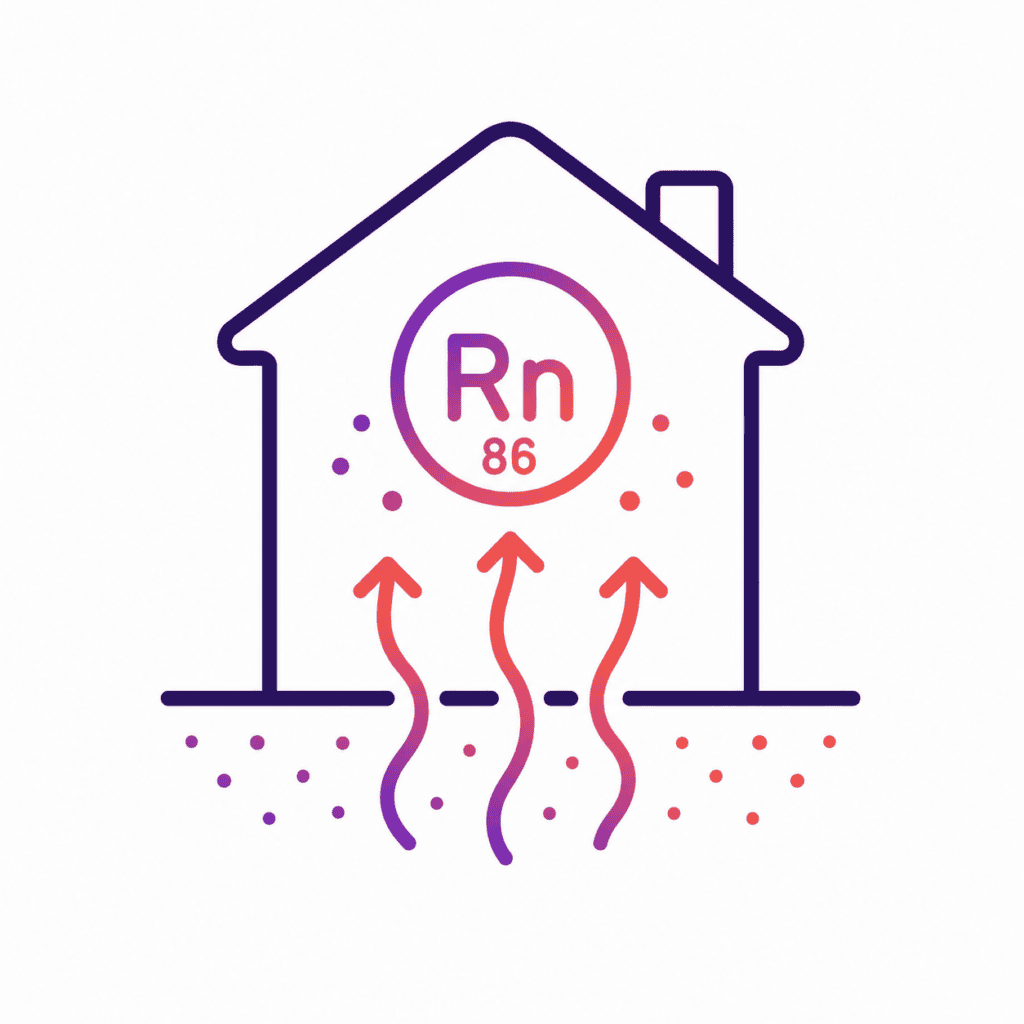
Radon is arguably the most dangerous environmental risk factor for never-smokers. A radioactive gas produced by the natural decay of uranium in the earth, it is odorless, colorless, and tasteless. It enters homes through cracks in foundations, basement floors, and walls. Once inhaled, the radioactive particles deposit in the lungs, delivering radiation directly to the bronchial epithelium and causing the DNA damage that leads to tumor formation. The consensus among public health experts is clear: every home should be tested for radon, as mitigation systems are both affordable and highly effective.
3. Air Pollution and PM2.5
The World Health Organization (WHO) has set a safety threshold for fine particulate matter (PM2.5) at 5 µg/m³. However, the reality of global urbanization is far more dire. In parts of India, concentrations frequently exceed 50 µg/m³, and in cities experiencing "pollution events"—such as the 2026 smoke-filled summer in the New York City metro area—levels can spike above 175 µg/m³. These particles are small enough to travel deep into the respiratory tract, inducing chronic inflammation and facilitating the accumulation of new genetic mutations.

Official Responses: The Diagnostic Gap
Medical professionals face a significant hurdle in the early detection of LCINS. Current screening guidelines—which prioritize adults over 50 with heavy smoking histories—are essentially blind to the younger, non-smoking population.
"We are seeing patients in their 30s and 40s presenting with stage IV disease," notes one oncologist at a leading research center. "Because they don’t fit the ‘high-risk’ profile, their persistent cough or chest pain is often misdiagnosed as asthma, allergies, or bronchitis. By the time they receive a CT scan, the cancer has often metastasized."
Symptoms to Watch For:
While having these symptoms does not confirm cancer, they warrant professional investigation if they persist for more than a few weeks:
- A new, persistent cough that does not go away.
- Shortness of breath or wheezing.
- Unexplained chest pain or discomfort.
- Recurrent respiratory infections (e.g., pneumonia or bronchitis).
- Unexplained weight loss or fatigue.
Implications: A New Era of Personalized Medicine
The recognition of LCINS as a distinct disease has profound implications for treatment. Because these tumors often lack the massive mutational burden of smoking-related cancers, traditional immunotherapy (which relies on the immune system recognizing "foreign" or heavily mutated cells) is sometimes less effective.
Instead, the field is shifting toward Precision Oncology:
- Targeted Therapies: For patients with specific driver mutations (such as EGFR or ALK), doctors can now use small-molecule inhibitors that specifically "turn off" the growth signals that keep the tumor alive. These treatments often produce fewer systemic side effects than traditional chemotherapy.
- Combination Approaches: Research is currently focused on combining immunotherapy with targeted agents to "prime" the immune system to recognize the less-mutated LCINS tumors.
- Genetic Counseling: As we learn more about inherited susceptibility, family history is becoming a larger part of the risk assessment for younger patients, allowing for more tailored screening programs.
Looking Ahead: The Path to Better Outcomes
The rising incidence of lung cancer in never-smokers is a clarion call for a more nuanced approach to public health. We are no longer living in a world where we can afford to categorize lung cancer solely as a "smoker’s disease."

The way forward requires a three-pronged strategy:
- Increased Public Awareness: Dismantling the stigma surrounding the disease to encourage younger, non-smoking patients to seek medical help for persistent symptoms.
- Environmental Policy: Implementing stricter air quality standards and mandatory radon testing in residential and commercial buildings.
- Broadened Screening: Re-evaluating current screening guidelines to incorporate risk factors beyond smoking, such as family history and long-term exposure to high levels of pollution.
As we continue to untangle the biology of LCINS, the focus must remain on the patient. Every discovery in the lab—from the identification of a new genetic driver to the development of a more precise drug—is a step toward transforming a once-debilitating diagnosis into a manageable condition. For the millions of people who have never smoked but still find themselves in the shadow of this disease, the scientific community is finally listening, and the medical landscape is beginning to change.
By prioritizing early detection and personalized medicine, we can move closer to a future where, regardless of smoking history, no patient is left without a path to treatment and hope.