










In a potential paradigm shift for cardiovascular medicine, a new experimental drug, enlicitide, has demonstrated the ability to slash "bad" cholesterol levels by as much as 60%. The results, published recently in The New England Journal of Medicine, arrive at a critical juncture in the global fight against heart disease, offering a long-awaited oral alternative to existing, highly effective but underutilized injectable treatments.
For millions of Americans living with atherosclerotic cardiovascular disease, the quest to manage low-density lipoprotein (LDL) cholesterol has often felt like an uphill battle. Despite the widespread use of statins, fewer than half of patients reach their clinical cholesterol targets. If granted approval by the Food and Drug Administration (FDA), enlicitide could represent the most significant advancement in oral lipid-lowering therapy since the introduction of statins, fundamentally changing how clinicians approach the prevention of heart attacks and strokes.
The Science of Stasis: Why LDL Management is Critical
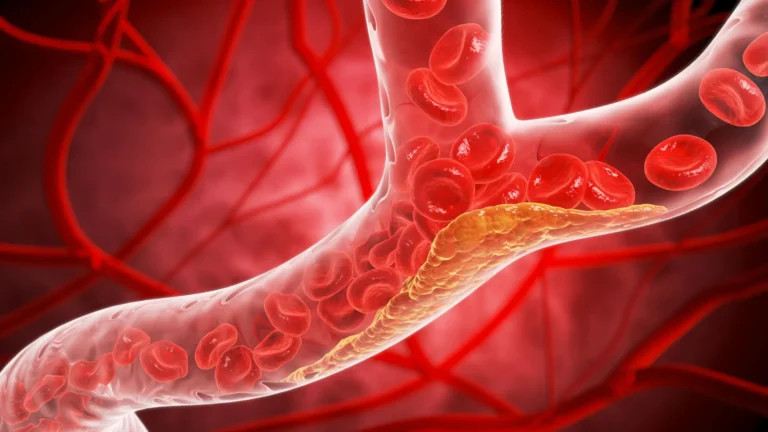
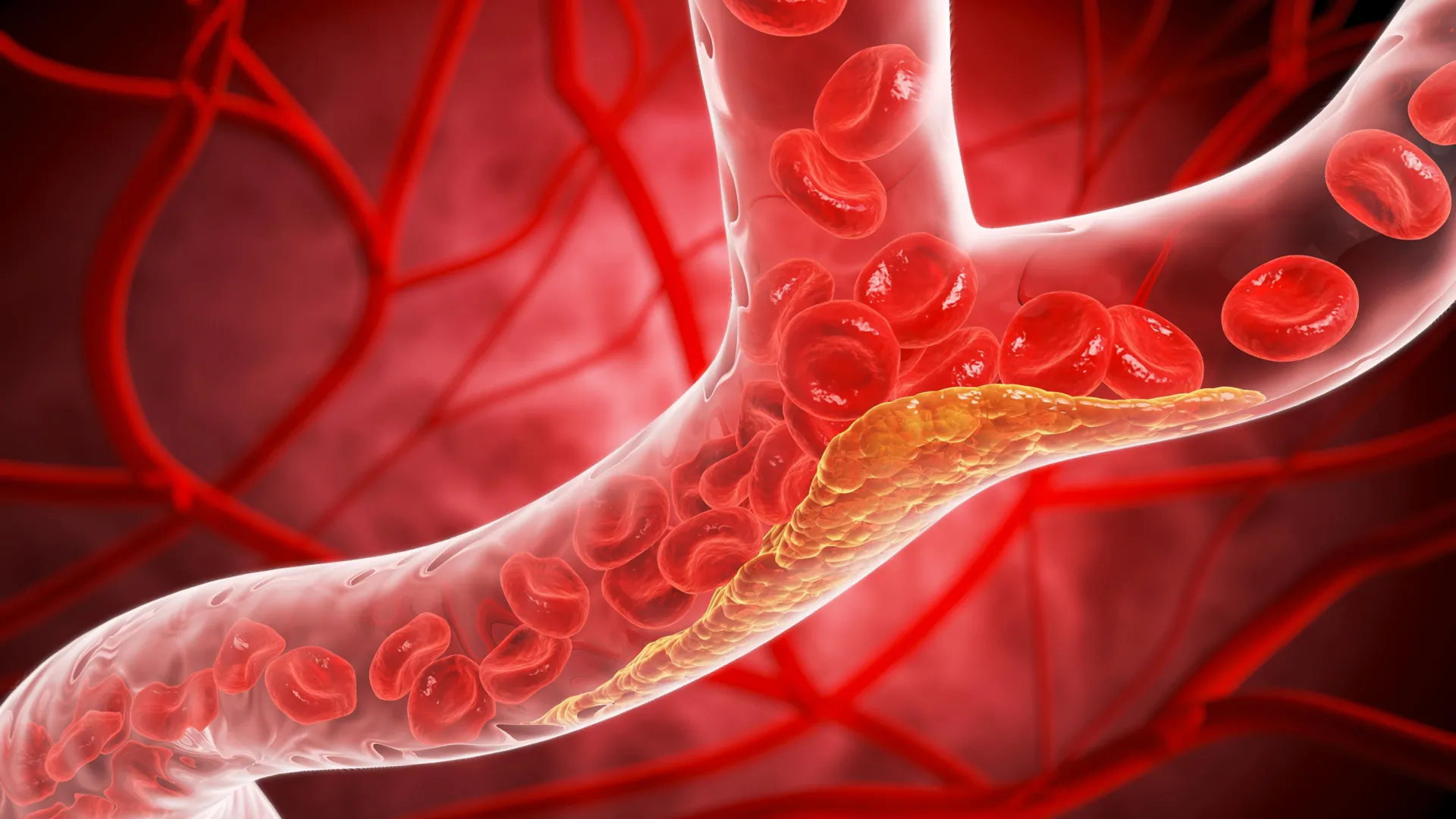
To understand the significance of enlicitide, one must first understand the mechanism of atherosclerosis. For decades, the medical community has recognized that LDL cholesterol is not merely a number on a lab report; it is a primary driver of cardiovascular pathology. Over time, these cholesterol particles infiltrate the inner walls of the arteries, initiating an inflammatory process that leads to the formation of plaque.
This accumulation—atherosclerosis—narrows the vessels and restricts blood flow. When these plaques rupture, they can cause sudden, catastrophic blockages, triggering myocardial infarctions (heart attacks) or ischemic strokes. Lowering LDL levels is, therefore, the cornerstone of preventative cardiology. By reducing the circulating concentration of these lipids, physicians can slow, stop, or in some cases, even reverse the progression of arterial disease.
A Legacy of Discovery: From UTSW to the Modern Era
The development of enlicitide is not a sudden stroke of luck; it is the culmination of decades of rigorous scientific inquiry, much of which originated at UT Southwestern Medical Center (UTSW).
The journey began in the 1980s with the landmark work of Michael Brown, M.D., and Joseph Goldstein, M.D. Their discovery of the LDL receptor on liver cells—the body’s natural mechanism for clearing cholesterol from the bloodstream—earned them the 1985 Nobel Prize in Physiology or Medicine. Their foundational research birthed the era of statins, which remain the first line of defense against high cholesterol today.
However, science continued to evolve. Later, the Dallas Heart Study at UTSW, led by Helen Hobbs, M.D., and Jonathan Cohen, Ph.D., provided a breakthrough insight: they identified that some individuals possess natural genetic variations that reduce the production of a protein called PCSK9. This protein acts as a "brake" on the liver’s ability to remove LDL cholesterol. By inhibiting PCSK9, the liver is freed to clear cholesterol more aggressively.
This genetic discovery paved the way for injectable PCSK9 inhibitors, such as evolocumab and alirocumab. While these drugs are exceptionally potent—also lowering LDL by roughly 60%—their reliance on injection has historically created a barrier to widespread adoption.
The Challenge of Adherence: Why Injectables Stay on the Shelf
Despite the proven efficacy of injectable PCSK9 inhibitors, they are frequently underutilized in clinical practice. Dr. Ann Marie Navar, M.D., Ph.D., a cardiologist and Associate Professor of Internal Medicine at UTSW who led the recent phase three trial, points to a combination of factors.
"Fewer than half of patients with established atherosclerotic cardiovascular disease currently reach LDL cholesterol goals," Dr. Navar explains. While cost and insurance complexities were significant early hurdles, they have largely been mitigated over time. The lingering obstacle, according to many practitioners, is the patient experience. For many, the prospect of self-administering an injection is far less appealing than swallowing a daily pill. This psychological and practical barrier has left a significant "treatment gap" that enlicitide is uniquely positioned to fill.
Clinical Trial Insights: 60% Reduction in a Real-World Population
The phase three trial for enlicitide was designed to mirror the complexities of real-world medicine. Researchers enrolled 2,909 participants, all of whom suffered from either existing atherosclerosis or were at high risk due to related comorbidities. Crucially, the vast majority were already on statin therapy, yet their LDL levels remained stubbornly high, averaging 96 mg/dl. For patients with atherosclerosis, the target is often 70 mg/dl; for those at the highest risk, the target is 55 mg/dl.
"The study population reflects what we see in clinical practice," Dr. Navar noted. "Even the highest intensity statins are often not enough to get people to their cholesterol goals."
Over a 24-week period, two-thirds of the participants were treated with enlicitide, while the remainder received a placebo. The results were striking: the enlicitide group saw a 60% reduction in LDL cholesterol compared to the placebo group. Beyond LDL, the drug also positively influenced other cardiovascular markers, including non-HDL cholesterol, apolipoprotein B, and lipoprotein(a). Most impressively, these improvements were sustained throughout a full year of follow-up, suggesting that the drug is both potent and durable.
Implications for Global Public Health
The potential impact of an oral PCSK9 inhibitor cannot be overstated. If enlicitide receives regulatory approval, it would provide clinicians with a tool that combines the high efficacy of biologic injections with the ease of administration associated with traditional pharmaceuticals.
By simplifying the regimen, healthcare providers may see a significant increase in patient compliance. If a patient is more likely to take their medication, the population-level reduction in cardiovascular events—heart attacks and strokes—could be substantial. Dr. Navar emphasized this, stating, "An oral therapy this effective has the potential to dramatically improve our ability to prevent heart attacks and strokes on a population level."
Looking Ahead: The Next Phase of Research
While the 60% reduction in LDL cholesterol is a resounding success in terms of biochemical markers, the medical community is already looking toward the next milestone. A secondary clinical trial is currently underway to determine whether this dramatic reduction in cholesterol will definitively lead to a measurable decrease in clinical outcomes—specifically, fewer heart attacks and strokes.
This "outcomes trial" is the final hurdle in validating enlicitide as a cornerstone of cardiovascular prevention. As the data matures, the medical community remains cautiously optimistic that they are witnessing the next evolution in heart health.
Acknowledgments and Disclosures
The research, sponsored by Merck & Co. Inc., highlights the ongoing synergy between academic discovery and pharmaceutical development. The UTSW team involved in this work includes a roster of distinguished scientists, including Dr. Michael Brown, Dr. Joseph Goldstein, Dr. Helen Hobbs, and Dr. Jonathan Cohen, who hold various prestigious chairs in Medicine and Research.
It is noted for transparency that Dr. Navar has received consulting fees from Merck and other pharmaceutical companies involved in the development of lipid-lowering therapies, as disclosed in the study. The study was funded by Merck Sharp & Dohme, a subsidiary of Merck. As the world awaits further data, the promise of enlicitide offers a glimpse into a future where heart disease may be more manageable than ever before.