In the fast-paced world of fitness and performance, inflammation has emerged as the ultimate buzzword. From social media influencers promoting "anti-inflammatory" tinctures to wellness podcasts championing restrictive elimination diets, the narrative is often the same: inflammation is the enemy, and it must be suppressed at all costs. However, a growing body of scientific evidence suggests that this perspective is not only reductive but fundamentally flawed.
For the modern athlete and fitness enthusiast, understanding the nuance of inflammation—and how nutrition modulates it—is the key to unlocking better recovery, consistent training, and long-term musculoskeletal health.
The Dual Nature of Inflammation: Friend and Foe
To understand how nutrition affects the body, one must first grasp the physiological necessity of inflammation. Popular media often portrays it as a systemic pathology to be purged. In reality, inflammation is an essential, highly coordinated biological response to stress.
The Acute Response: The Catalyst for Adaptation
When an individual undergoes a rigorous resistance training session or a high-intensity interval workout, they are intentionally inducing micro-trauma to muscle fibers and connective tissues. This damage triggers an acute inflammatory response. Immune cells migrate to the site of the stress, initiating the removal of damaged proteins and the synthesis of new ones.
This process is the "engine" of physical adaptation. It is through this inflammation that muscles grow, tendons strengthen, and the body becomes more resilient to future training loads. If one were to successfully eliminate all inflammation—as some supplement-heavy regimes suggest—they would effectively halt the body’s ability to repair and improve.
The Chronic Danger: When Regulation Fails
The danger arises when the inflammatory response shifts from acute to chronic. Unlike the transient spike following a workout, chronic, low-grade inflammation is a persistent, systemic state often driven by poor dietary quality, sedentary behavior, sleep deprivation, and excessive psychological stress.
Over time, this "background noise" of inflammation is linked to metabolic syndrome, cardiovascular disease, and impaired tissue repair. For the athlete, this manifests as prolonged soreness, persistent fatigue, and a reduced capacity to adapt to training, ultimately leading to a plateau or an increased risk of overuse injury.
Chronology of Nutritional Science: From Nutrients to Patterns
Historically, nutritional research focused on isolated compounds: Vitamin C for immunity, Omega-3s for joint health, or protein for muscle synthesis. However, the scientific consensus has shifted.
- 1990s–2000s: The "Nutrient-Centric" Era, where consumers focused on isolating individual vitamins and supplements to "fix" specific health deficits.
- 2010s: The rise of "Anti-Inflammatory Superfoods," where turmeric, tart cherry juice, and collagen became the primary focus of fitness marketing.
- 2020s–Present: The "Dietary Pattern" Shift, where researchers acknowledge that humans eat meals, not nutrients. The interaction between whole foods within an eating pattern is now recognized as the primary driver of systemic inflammatory regulation.
Supporting Data: The Power of the Mediterranean Approach
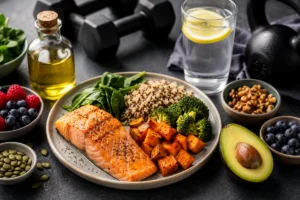
The most robust evidence in modern nutrition points toward the Mediterranean dietary pattern as the gold standard for inflammatory regulation. Research consistently shows that individuals consuming high levels of vegetables, fruits, legumes, whole grains, nuts, and extra virgin olive oil exhibit lower markers of systemic inflammation, such as C-reactive protein (CRP) and Interleukin-6 (IL-6).
Key Nutritional Pillars
- Phytochemical Diversity: Colorful fruits and vegetables are not just sources of vitamins; they are rich in polyphenols and flavonoids that assist the body in managing oxidative stress without suppressing the beneficial inflammatory signals required for training adaptation.
- The Gut-Inflammation Connection: High-fiber diets act as a prebiotic, fueling a diverse gut microbiome. These microbes produce short-chain fatty acids that reinforce the intestinal lining and modulate immune function, providing a systemic defense against chronic inflammation.
- Omega-3 Fatty Acid Balance: Rather than relying solely on fish oil pills, experts now emphasize the consumption of fatty fish (salmon, sardines, mackerel) as a complete package of high-quality protein and specialized lipid mediators that assist in the "resolution phase" of inflammation.
Official Perspectives: The Role of the Fitness Professional
Fitness professionals are often the first line of defense against nutritional misinformation. When a client arrives with a list of "anti-inflammatory" supplements, the professional’s response is critical.
Defining the Scope of Practice
It is vital to distinguish between general wellness education and medical nutrition therapy. Fitness coaches should:
- Educate: Explain the difference between acute (necessary) and chronic (harmful) inflammation.
- Guide: Help clients shift toward whole-food, plant-forward diets.
- Refer: Recognize when a client’s issues—such as chronic joint pain or digestive distress—require the expertise of a Registered Dietitian (RD) or a licensed medical provider.
Coaches who overstep into medical diagnosis or prescribe rigid elimination diets risk compromising their client’s health and their own professional liability.
Implications for Training and Long-Term Performance
The most profound implication of this research is that recovery is not a post-workout event—it is a 24-hour cycle.
The Cumulative Effect
Recovery is governed by energy availability. When a client performs high-intensity training while simultaneously restricting calories or failing to prioritize sleep, they enter a state of Relative Energy Deficiency in Sport (RED-S). In this state, the body prioritizes survival over muscle repair, rendering even the best "anti-inflammatory" supplements ineffective.
Strategies for Sustainable Success
- Addition over Elimination: Instead of telling a client to cut out "bad" foods, encourage them to add a serving of vegetables to every meal. This crowds out processed foods naturally and improves nutrient density.
- Hydration as a Catalyst: Adequate fluid intake is the backbone of nutrient transport and waste removal. Even mild dehydration can increase cardiovascular strain and perceived exertion, effectively mimicking the symptoms of systemic inflammation.
- Consistency over Intensity: An athlete who maintains a "B+" diet 80% of the time will always outperform an athlete who attempts an "A+" diet for three days, only to crash and revert to poor habits for the remainder of the month.
Conclusion: Reframing the Goal
The goal of nutrition for the active individual is not to create a body devoid of inflammation, but to build a physiological environment where the body can regulate itself. By focusing on whole, minimally processed foods, prioritizing sleep, and managing training loads, athletes can foster a state of internal balance.
As the fitness industry continues to evolve, the most successful coaches will be those who move away from the "quick fix" mentality. They will guide their clients to understand that health is not a destination achieved through a supplement bottle, but a consistent practice of daily, informed, and sustainable choices. The "superfood" isn’t a single ingredient—it is the cumulative impact of a lifestyle that honors the body’s innate ability to recover, adapt, and perform at its peak.