As we cross the threshold into our sixties, the conversation surrounding bone health often defaults to a binary choice: calcium supplements or pharmaceutical intervention. However, a growing body of evidence—and decades of practical experience from fitness professionals—suggests that we have been looking at the problem through the wrong lens. The most potent tool for reversing bone density loss is not found in a pill bottle; it is found in the mechanical stress we apply to our own skeletons.
For most adults, the gradual thinning of bone tissue is not an inevitable consequence of aging, but rather a symptom of "disuse." In our modern, sedentary environments, we rarely subject our bones to the type of impact or resistance required to signal the body that it needs to fortify its internal structure. By integrating specific, high-load movements into a morning routine, we can effectively “rebuild” our skeletal integrity, regardless of age.
The Physiology of Bone Loss: Why Your Skeleton Goes Dormant
To understand why bones weaken, we must first view bone not as a static, inert structure, but as a living, dynamic tissue. Throughout our lives, our bones undergo a process called remodeling. Specialized cells called osteoclasts break down old bone tissue, while osteoblasts lay down new material.
In our youth, these processes are generally balanced. However, after the age of 60, many adults experience a shift. Women, in particular, may lose up to 20 percent of their peak bone mass following menopause, as the protective influence of estrogen wanes. Men, too, face a decline as testosterone levels drop.
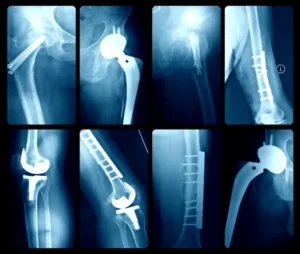
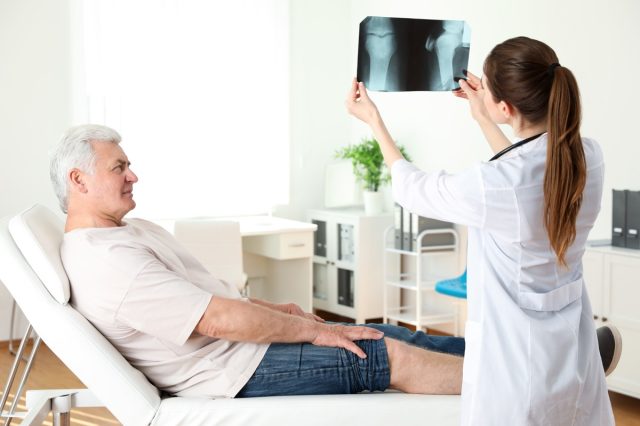
When you combine these hormonal shifts with a lifestyle defined by sitting, walking on soft surfaces, and minimal physical load-bearing, the body makes an economic decision: it stops wasting energy maintaining dense bone. If the skeleton is not asked to support significant weight or absorb impact, the body perceives dense bone as "excessive" and strips it back to a baseline level. This internal porosity is often invisible until a minor trip or fall results in a fracture that would have been a mere bruise in one’s forties.
The Science of Loading: Wolff’s Law
The secret to bone density lies in a concept known as Wolff’s Law, established in the 1890s by German anatomist Julius Wolff. The law states that bone in a healthy person or animal will adapt to the loads under which it is placed. If you load a bone, it will remodel itself over time to become stronger.
Supplements—while useful as a nutritional foundation—are merely the building blocks. Providing the body with calcium without providing the mechanical stimulus to use it is akin to delivering a truckload of bricks to a construction site where no workers have been hired to lay them. The materials remain, but the structure does not rise. Mechanical loading acts as the foreman, signaling the osteoblasts to deposit calcium into the bone matrix.
The Five Pillars: A Morning Routine for Skeletal Strength
The following routine, designed to be performed in 8 to 10 minutes, is engineered to provide the specific mechanical stressors necessary to trigger bone remodeling.
1. Heel Drops
Heel drops deliver a controlled impact wave that travels through the heels, up the hips, and into the spine—the three areas most susceptible to age-related fractures. Research indicates that 20 heel drops daily can lead to measurable density improvements in the hip.
- Technique: Stand tall, rise onto the balls of your feet, and then drop your heels firmly to the floor. The impact should be felt, but not painful.
- Volume: 10 to 20 drops.
2. Bodyweight Squats
Squats are the "king" of lower-body loading. They engage the hips, femurs, and spine simultaneously.
- Technique: Lower yourself as if sitting into a chair, keeping your chest up and weight in your heels.
- Optimization: Use a "2-1 tempo"—two seconds to lower, one second to stand—to increase the time under tension.
- Volume: 12 to 15 reps.
3. Reverse Lunges
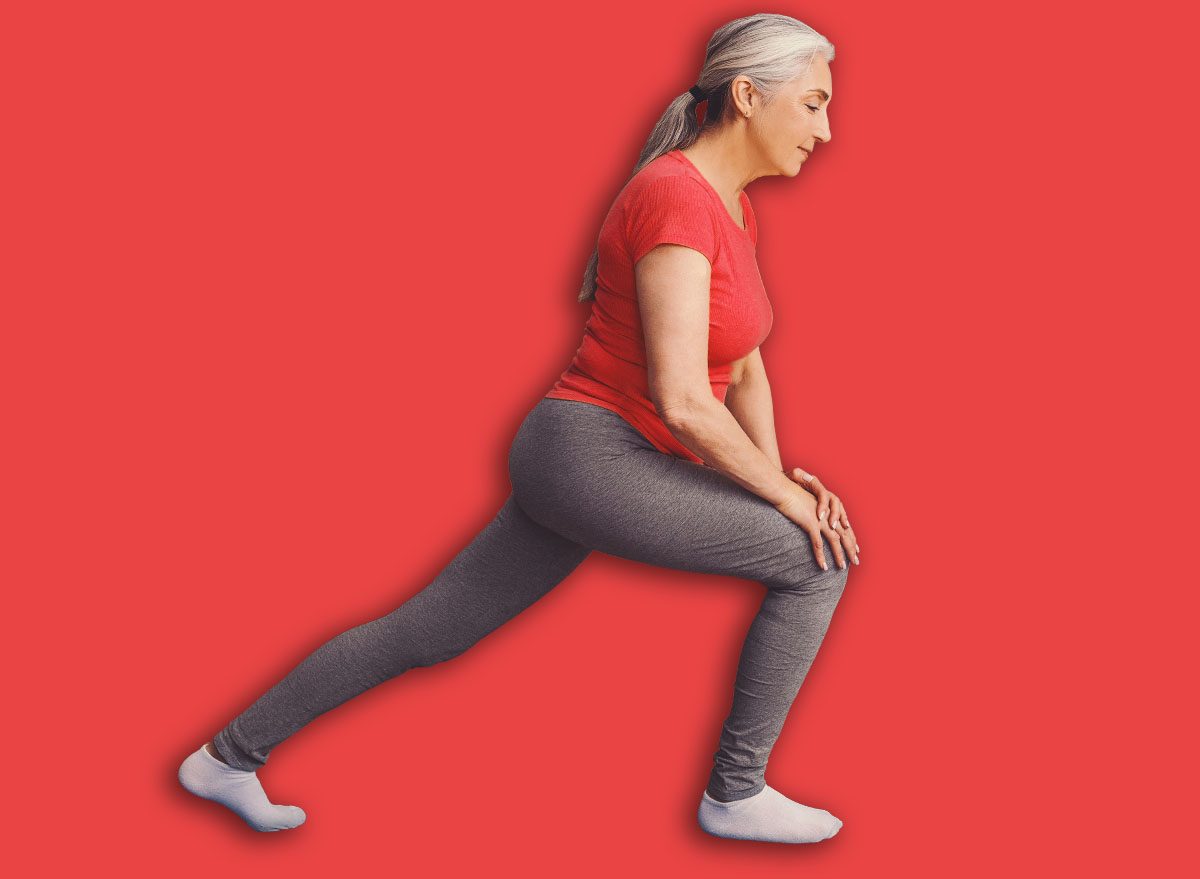
The reverse lunge forces the body to stabilize on one leg at a time. This unilateral loading doubles the stress on the hip and femur compared to bilateral movements, making it a powerful catalyst for bone density gains.
- Technique: Step backward, ensuring your front shin remains vertical. This directs the load precisely into the hip joint.
- Volume: 8 reps per side.
4. Wall Press-Ups
Wrist and shoulder fractures are common in older adults, usually occurring during falls. By performing wall press-ups, you apply longitudinal load to the arms and wrists, signaling the body to reinforce these joints.
- Technique: Lean against a wall at shoulder height. As you gain strength, progress to a kitchen counter to increase the angle and intensity.
- Volume: 12 to 15 reps.
5. Standing Stomping March
For those who cannot yet safely jump or run, the stomping march provides high-impact stimulation through the entire lower kinetic chain.
- Technique: March in place, lifting your knees and landing firmly on the floor through the whole foot.
- Volume: 60 seconds.
Chronology of Progress: What to Expect
It is vital to manage expectations regarding the timeline of bone density adaptation. Unlike muscle hypertrophy, which can be seen in a mirror within weeks, bone remodeling is a slow, methodical process.
- Month 1: You will likely notice improvements in proprioception, balance, and muscular stability. This is the "neurological phase," where your body becomes more efficient at controlling your movements, significantly reducing the likelihood of a fall.
- Months 3–6: The biochemical process of bone remodeling is underway. While visual changes remain non-existent, the internal structure of your trabecular bone is beginning to thicken.
- Month 12: Following a year of consistency, studies on loading protocols suggest that improvements of 2 to 5 percent in bone mineral density are realistic. In the context of gerontology, a 5 percent increase can be the difference between a minor impact and a life-altering fracture.
Supporting Data and Clinical Implications
The medical community has shifted its perspective on bone health in the last decade. Where once the focus was purely on pharmacological inhibition of bone resorption, the current gold standard includes "Mechanical Loading Protocols."

According to the International Osteoporosis Foundation (IOF), regular, weight-bearing, and muscle-strengthening exercise is essential for bone health. Clinical trials involving post-menopausal women have consistently shown that high-impact and resistance training significantly outperforms walking or low-impact activities in terms of bone density preservation.
Furthermore, the "Morning Priming" effect—doing these exercises upon waking—serves a dual purpose. It establishes a habit that is harder to ignore as the day grows busy, and it sets a metabolic and mechanical tone for the rest of the day, encouraging the user to stay active and mobile.
Expert Consensus and Practical Advice
While the routine is effective, consistency is the primary driver of success. Five to six days per week is the recommended frequency. Recovery is equally critical; bones require rest days to complete the cycle of tissue deposition. If you feel excessive soreness, it is a sign to scale back rather than push through.
After the first month, progress is necessary to prevent a plateau. Increase the duration of the stomping march, add a second set to each movement, or utilize light, handheld weights. The body will not continue to build stronger bones if the stimulus remains static.
Conclusion: The Long-Term Investment
Bone density is one of the most reliable predictors of whether an individual will maintain their independence into their 70s, 80s, and beyond. We often treat our bodies as though they are aging machines that inevitably break down, but the science suggests we are more like engineers of our own physical structure.
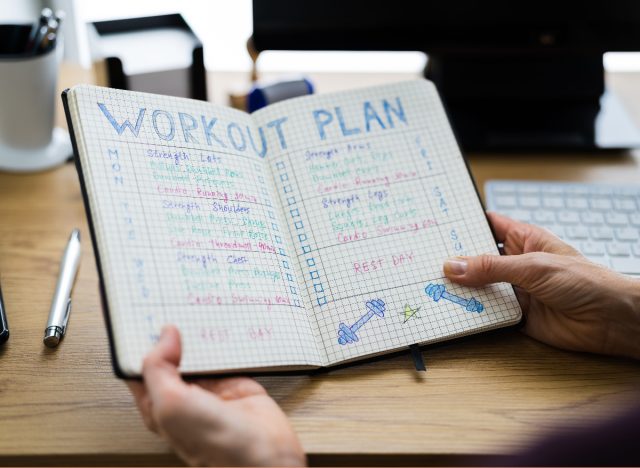
By dedicating just ten minutes each morning to these loading exercises, you are engaging in a daily transaction that buys you more than just bone density. You are investing in the confidence to move, the stability to walk, and the security of a resilient frame. In the final assessment, the weight you lift in the morning is the weight that will keep you upright for years to come.