By Keith Appleton, LMSW, Combat Veteran
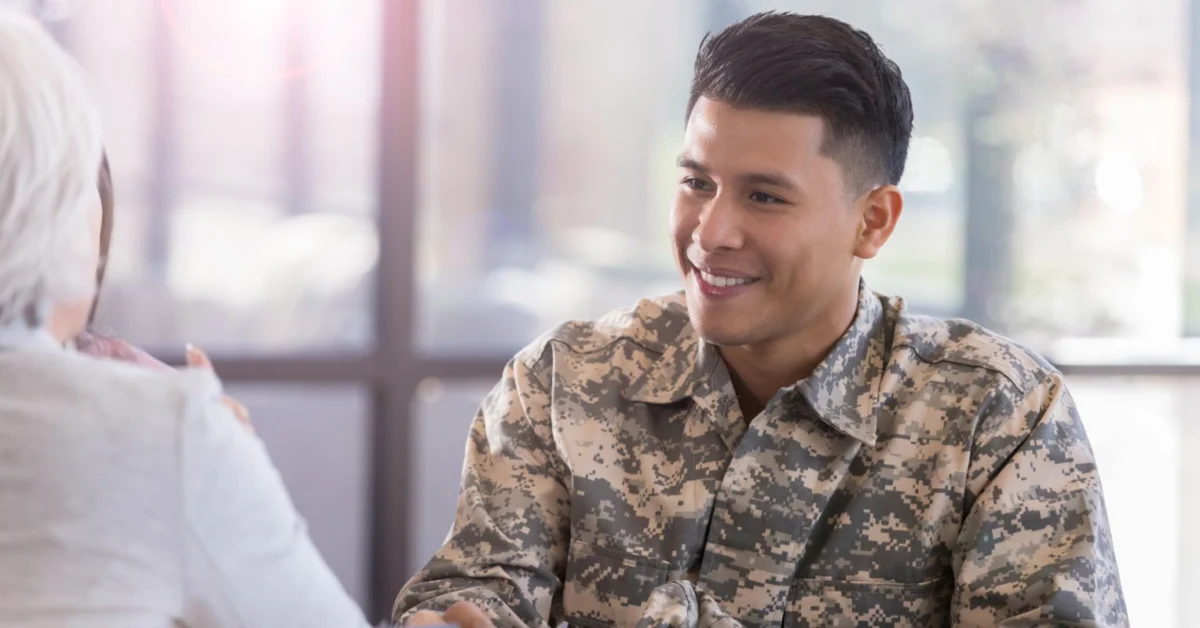
In the sterile, quiet atmosphere of a detox ward, a veteran—gripped by the crushing weight of Post-Traumatic Stress Disorder (PTSD) and the chemical chains of addiction—stood at the threshold of departure. He was convinced that the world outside, and certainly the civilian clinicians tasked with his care, could not possibly fathom the internal landscape of his suffering. As a combat veteran myself, I recognized that posture. It wasn’t just desperation; it was a profound sense of alienation.
I didn’t offer platitudes. Instead, I spoke his language. I reframed his path to sobriety not as a clinical intervention, but as a tactical objective—a mission. In that moment, the resistance shifted. He stayed. That interaction serves as a cornerstone for a larger, necessary conversation in modern psychology: the critical, life-saving necessity of culturally competent care for those who have served.
Main Facts: The Silent Crisis
The statistics surrounding veteran mental health are sobering. According to the National Center for PTSD (2023), approximately 7% of U.S. veterans live with PTSD, while over 20% grapple with substance-use disorders. Despite these staggering figures, more than half of those in need never step foot in a therapist’s office. The barriers are multifaceted, ranging from institutional stigma to the pervasive, internal belief that civilians simply “don’t get it.”
Military service is not a career choice; it is an identity forged through a unique alchemy of structure, rigid hierarchy, shared sacrifice, and extreme hardship. When this identity is abruptly stripped away, the psychological fallout is often catastrophic. Understanding this transition is the first step in bridging the gap between clinical intent and actual healing.
Chronology: The Evolution of Identity and Loss
The trajectory of a veteran’s life is often marked by distinct chapters, each defined by the presence or absence of the uniform.
- The Inception of Identity: Upon enlistment, the individual enters a total institution. The uniform, the rituals of rank, and the acquisition of specific job titles create a powerful, external scaffolding for the self. Badges, combat patches, and service ribbons are not mere decoration; they are a visual biography of survival and service.
- The Rupture: Transitioning to civilian life functions as a profound “attachment rupture,” a concept grounded in the work of John Bowlby (1980). When the military—which served as a secure base—is removed, the veteran is left in a void. Without a new “tribe,” this loss often manifests as deep grief, disorientation, and isolation.
- The Clinical Encounter: For too long, the therapeutic process has focused exclusively on the "trauma event." This chronological focus is incomplete. To truly heal, the clinician must help the veteran bridge the gap between their past identity as a warrior and their future potential as a leader, mentor, and protector in civilian society.
Supporting Data and Psychological Frameworks
The integration of psychological theory with military culture is not just a preference; it is a clinical imperative.
Attachment and the Need for Tribe
Sebastian Junger’s Tribe (2016) highlights the primal human need to belong to cohesive, purpose-driven groups. Veterans are essentially stripped of their tribe upon discharge. Therapy must therefore focus on building new, adaptive attachments. When a clinician acknowledges the veteran’s Military Occupational Specialty (MOS) or the meaning behind a specific combat patch, they are not just making conversation; they are validating a lost sense of self.
The Spectrum of Moral Injury
Beyond PTSD, many veterans suffer from "moral injury"—the psychological distress caused by actions (or inactions) that violate one’s core ethical or moral code (Davis, 2023). In one clinical instance, I worked with a veteran burdened by the guilt of not deploying with his unit after 9/11. By involving his spouse in the therapy, we were able to reframe his service, shifting the narrative from "failure" to "patriotism and provision." This systemic approach validates the veteran’s role within their family unit, which is often the primary source of connection and stability.
Official Responses and Clinical Implications
The Department of Veterans Affairs (VA) has increasingly recognized that "one size fits all" is a failed model. However, the onus remains on the private sector, where many veterans seek care outside the VA system.
The "People-First" Approach
Military leadership principles are inherently compatible with trauma-informed care. The military prioritizes mission, discipline, and mentorship. When therapy is framed through these lenses—using Cognitive Behavioral Therapy (CBT) or Eye Movement Desensitization and Reprocessing (EMDR)—it resonates with veterans who value goal-setting and structured progress.
Incorporating the "Whole" Deployment
A critical error in contemporary therapy is the focus solely on the "horror" of deployment. Research by Dell’Osso et al. (2022) confirms that narrating positive deployment experiences—the pride of a job well done, the camaraderie of a birthday party in a war zone, the physical endurance of a march—is vital. These memories are not trivial; they are the threads that weave a coherent self-narrative. A veteran who can integrate their pride alongside their pain is a veteran who is on the road to post-traumatic growth.
The Way Forward: A New Mission
As a society, our responsibility to those who served extends far beyond the provision of services. It requires a shift in how we conceptualize the "veteran experience."
- Cultural Competence as Standard: Clinicians must be trained to speak the language of the military. Asking about a veteran’s MOS or the significance of their service history is the foundation of the therapeutic alliance.
- Family Inclusion: Families are the first responders to a veteran’s trauma. They must be empowered, informed, and integrated into the treatment plan to ensure the healing environment extends into the home.
- Reframing the Narrative: We must move away from a deficit-based model. Instead of viewing the veteran solely as a victim of trauma, we must view them as an individual with a unique, highly developed skillset—leadership, resilience, and adaptability—that is in transition.
- Integration of Positive Memory: Therapy must explicitly allocate time to discuss the pride and purpose of service. This helps the veteran build a narrative that is more than the sum of their worst days.
Conclusion: The Mission Continues
Veterans carry their experiences as invisible badges. They are not broken machines to be repaired; they are individuals seeking a new mission in a world that often feels foreign. When we provide care that honors their history, respects their culture, and leverages their internal strength, therapy ceases to be a passive treatment plan. It becomes an active, collaborative mission.
It is time to ensure that every veteran has the tools to write the next chapter of their story—not in spite of their service, but because of the courage and character they cultivated while wearing the uniform.
References
- Bowen, M. (1978). Family Therapy in Clinical Practice. Jason Aronson.
- Bowlby, J. (1980). Attachment and Loss: Vol. 3. Loss, Sadness and Depression. Basic Books.
- Davis, L. Y. (2023). Moral Injury: The Hidden Adversary of War.
- Dell’Osso L, et al. (2022). Post Traumatic Growth (PTG) in the Frame of Traumatic Experiences. Clin Neuropsychiatry.
- Hurley, E. C. (2021). A Clinician’s Guide for Treating Active Military and Veteran Populations with EMDR Therapy. Springer Publishing.
- Junger, S. (2016). Tribe: On Homecoming and Belonging. Twelve.
- National Center for PTSD. (2023). PTSD in Veterans: Facts and Figures. U.S. Department of Veterans Affairs.
- Shapiro, F. (2018). Eye Movement Desensitization and Reprocessing (EMDR) Therapy: Basic Principles, Protocols, and Procedures (3rd ed.). Guilford Press.
- U.S. Department of Veterans Affairs. (2022). National Veteran Suicide Prevention Annual Report.