




For millions of Americans struggling with obesity and its associated comorbidities, the question has long been not just how much weight to lose, but how to lose it. While medical professionals have historically emphasized the total caloric deficit as the primary driver of improved health, a landmark study published in the journal Cell Metabolism suggests that the macronutrient composition of a diet—specifically the restriction of carbohydrates—may play a far more significant role in reversing metabolic dysfunction than previously understood.
The clinical trial, conducted by researchers at the Washington University School of Medicine in St. Louis, offers a provocative conclusion: when it comes to reversing prediabetes and reducing liver fat, not all weight loss diets are created equal.
The Core Findings: Rethinking Metabolic Intervention
The study, led by Dr. Samuel Klein and Dr. Max Petersen, focused on 42 participants who presented with a specific "trifecta" of health concerns: obesity, prediabetes, and fatty liver disease. Over a rigorous four-to-five-month period, the researchers controlled the dietary intake of every participant, providing all meals and ensuring strict adherence through weekly consultations with registered dietitians.
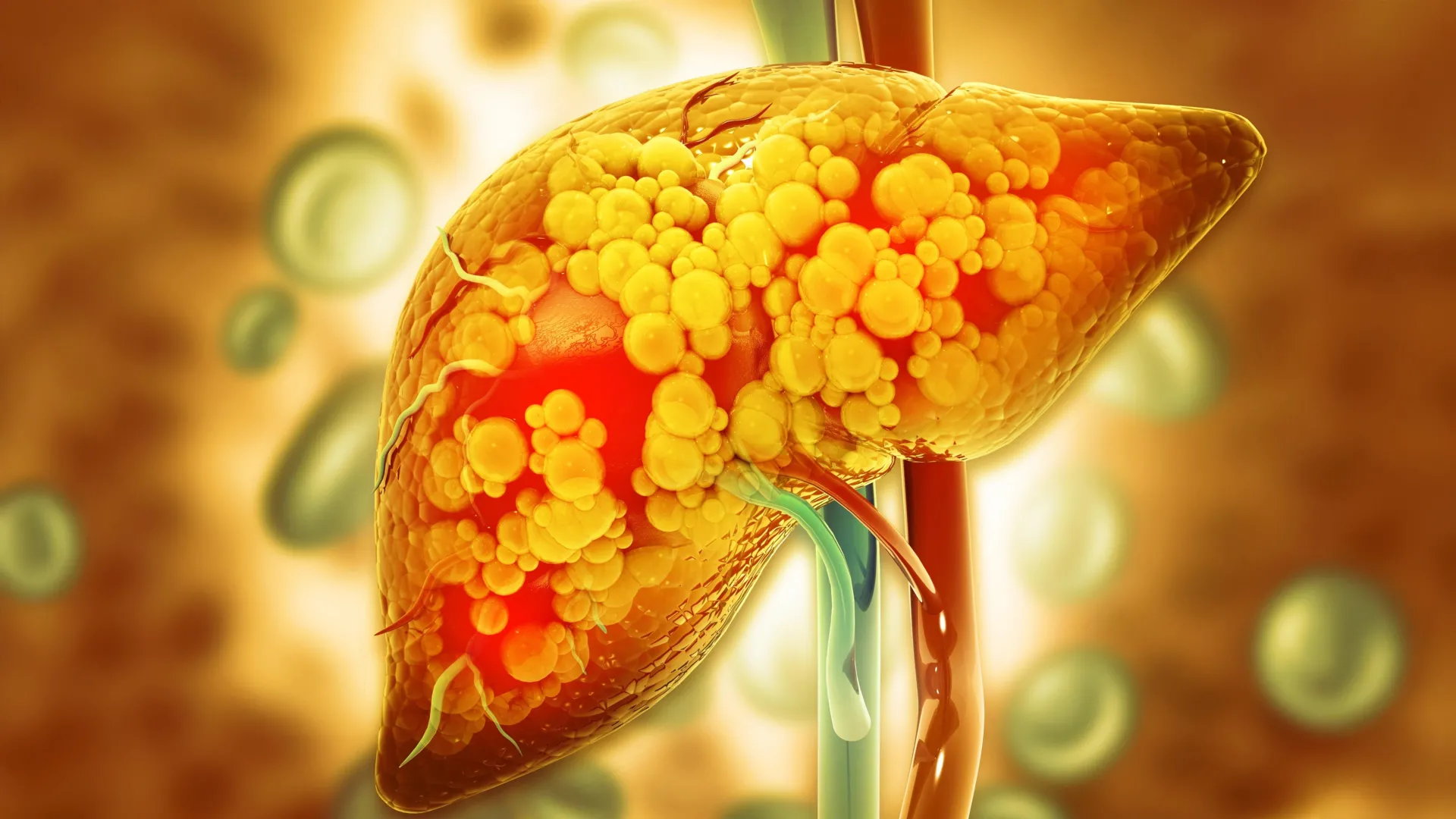
The central revelation of the study is that while all three groups—those on a ketogenic diet, a Mediterranean diet, and a low-fat, plant-forward diet—achieved similar levels of weight loss (approximately 10% of total body weight), the metabolic outcomes diverged sharply. Most notably, the ketogenic diet, characterized by high fat and extremely low carbohydrate intake, acted as a powerful therapeutic tool for liver health.
Participants on the keto regimen saw their liver fat plummet by an average of 67%. In contrast, those following the Mediterranean and plant-forward diets saw a 45% reduction. Even more strikingly, half of the ketogenic cohort reversed their prediabetes status, a success rate significantly higher than their counterparts on the other two dietary plans.
Chronology of the Study: A Controlled Dietary Intervention
To ensure the integrity of the data, the research team implemented a highly controlled protocol designed to isolate the effects of macronutrient ratios from the effects of simple weight loss.
Phase 1: Recruitment and Baseline Analysis
The researchers recruited 42 adults who met the clinical criteria for obesity, prediabetes, and non-alcoholic fatty liver disease. Baseline health metrics, including insulin sensitivity, cholesterol levels, and liver fat content, were established through blood analysis and imaging.
Phase 2: Randomization and Dietary Implementation
Participants were randomly assigned to one of three distinct nutritional paths:
- The Ketogenic Diet: A high-fat, low-carbohydrate approach (73% fat, 4% carbohydrates, 23% protein).
- The Mediterranean Diet: A balanced approach emphasizing plant-based foods, healthy fats, and moderate protein (35% fat, 50% carbohydrates, 15% protein).
- The Plant-Forward Diet: A low-fat, high-carbohydrate approach (15% fat, 70% carbohydrates, 15% protein).
Phase 3: The Weight Loss Period
The researchers adjusted caloric intake individually for each participant to ensure a uniform 10% weight loss across all groups. This period lasted roughly four to five months. The researchers provided all meals, effectively eliminating the variable of dietary non-compliance often seen in self-reported studies.
Phase 4: Metabolic Tracking and Analysis
During the final stages, researchers monitored the participants’ metabolism over a 24-hour period using continuous blood analysis. This allowed the team to observe hormonal shifts—specifically regarding glucagon and insulin—in real-time as the bodies reacted to the varying macronutrient profiles.
Supporting Data: Why Keto Outperformed the Competition
The study provides a wealth of granular data that explains why the ketogenic diet yielded such superior results for liver and metabolic health.
The Hormone Factor
The metabolic tracking revealed that the ketogenic group experienced the most significant rise in glucagon, a hormone that facilitates the mobilization and oxidation of fat stored in the liver. Concurrently, these participants experienced the most dramatic decline in blood insulin levels. Lower insulin levels are a well-documented marker for improved metabolic flexibility and are essential for preventing the liver from synthesizing new fat.
The Cholesterol Paradox
A frequent critique of the ketogenic diet is that the high intake of fats—including saturated fats—could lead to elevated cholesterol and cardiovascular risk. However, the study yielded a surprising result. "The most surprising finding," noted Dr. Max Petersen, "was that participants in the ketogenic diet group didn’t experience an increase in blood fat or cholesterol levels despite consuming the most fat." This suggests that when weight loss is achieved alongside carbohydrate restriction, the body processes dietary fats differently, potentially mitigating the risks associated with high-fat consumption.
Comparative Prediabetes Reversal
The efficacy of the diets in reversing prediabetes was measured by the number of participants who fell below the clinical threshold for the condition by the end of the trial:
- Ketogenic Group: 50% of participants no longer met prediabetes criteria.
- Mediterranean Group: 29% of participants no longer met prediabetes criteria.
- Plant-Forward Group: 7% of participants no longer met prediabetes criteria.
Official Responses and Expert Perspective
The research team at Washington University emphasizes that these findings do not necessarily invalidate other diets, but rather highlight the importance of "precision nutrition."
"We know weight loss can improve metabolic health in people who are obese," says Dr. Samuel Klein. "Our data suggest that if you have high liver fat content and prediabetes, reducing carbohydrate intake can have important therapeutic effects on metabolism beyond just weight loss alone."
Dr. Petersen contextualized these findings within the current landscape of obesity treatment, noting the emergence of GLP-1 receptor agonists (like Ozempic or Wegovy). "GLP-1-based medications have revolutionized the therapy of obesity," Petersen remarked. "We now have a very effective pharmacotherapy for achieving significant weight loss. But in addition, our study shows that the specific composition of the diet can give you added benefits."
The study, funded by the National Institutes of Health and the Foundation for Barnes-Jewish Hospital, serves as a call for clinicians to consider nutritional intervention as a specific, targeted therapy rather than a generalized recommendation for caloric reduction.
Implications: A New Paradigm for Metabolic Medicine
The implications of this study are profound for the roughly 40% of American adults currently struggling with obesity. As the prevalence of metabolic syndrome and non-alcoholic fatty liver disease (NAFLD) continues to climb, the medical community is under pressure to move beyond "eat less, move more" guidance.
1. Tailored Nutrition
The primary takeaway is that dietary prescription should be informed by a patient’s specific metabolic profile. For patients with high liver fat or insulin resistance, a ketogenic approach may be the most efficient route to reversing the underlying pathology.
2. Beyond Caloric Deficit
While total calories remain a critical factor in weight management, the study proves that the metabolic "quality" of those calories dictates the physiological outcome. By shifting the body away from glucose dependency and toward fat metabolism, the ketogenic diet appears to force the liver to "cleanse" itself of stored lipids in a way that high-carbohydrate diets do not.
3. Future Research Directions
While the study provides robust data, the researchers acknowledge that long-term adherence to a ketogenic diet remains a challenge for many patients. Future research will likely focus on how to sustain these metabolic benefits, whether through cycling, less restrictive variations of keto, or by combining nutritional interventions with pharmacological support.
4. A Shift in Public Health Policy
If these findings are replicated in larger, more diverse populations, it could shift the dietary guidelines for patients with type 2 diabetes and NAFLD. Moving away from a "one-size-fits-all" food pyramid toward a more nuanced, condition-specific nutritional framework could potentially save the healthcare system billions in long-term treatment costs for chronic metabolic disease.
In conclusion, the research from Washington University suggests that while weight loss is the gateway to better health, the path chosen to reach that weight matters immensely. For those suffering from the metabolic consequences of obesity, the ketogenic diet represents a potent, evidence-based tool that addresses the root of the problem—the liver—rather than just the symptoms on the scale.