








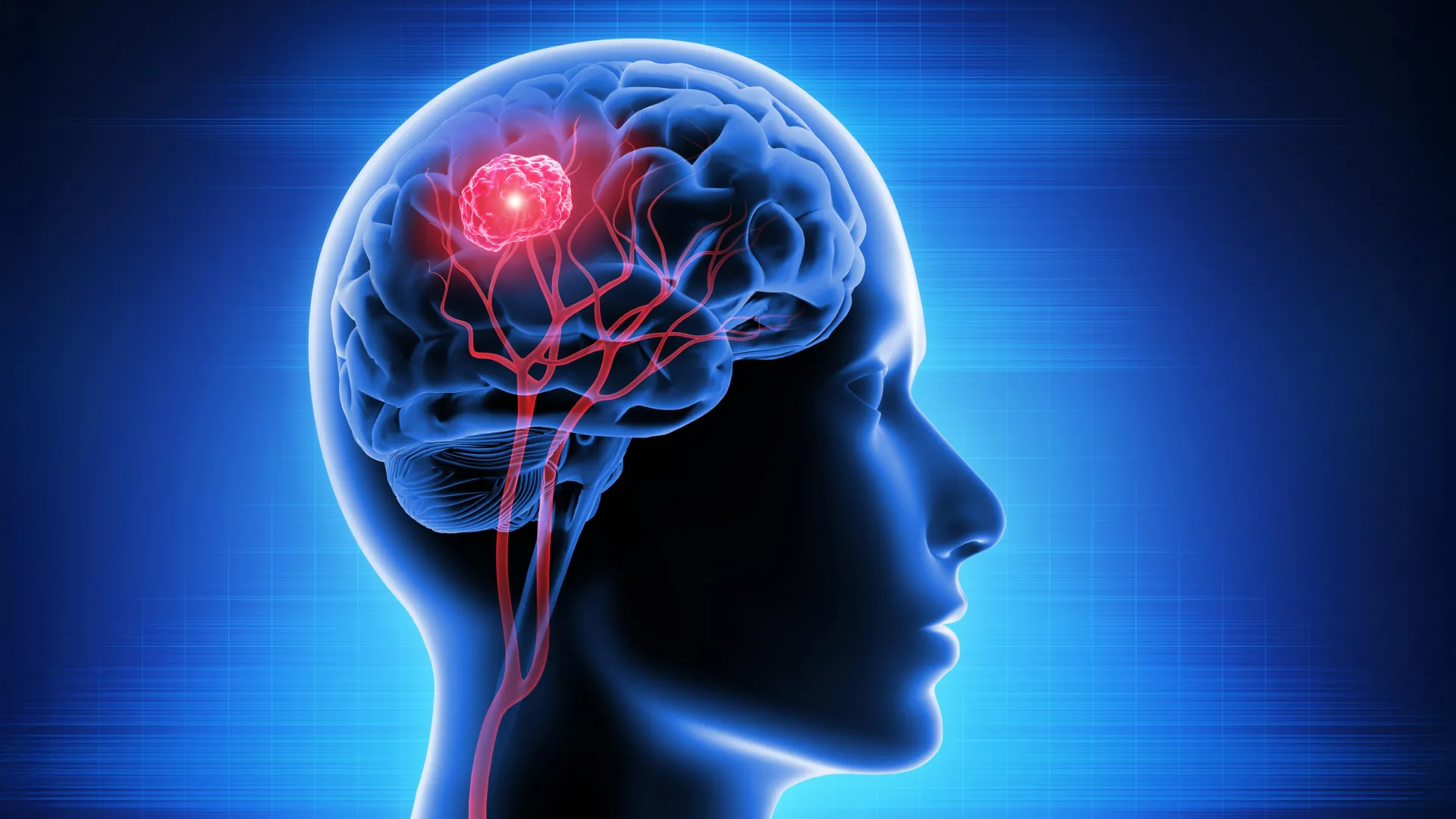
Glioblastoma multiforme (GBM) has long been considered the "final frontier" of neuro-oncology. As the most aggressive and malignant form of primary brain cancer, its clinical profile is characterized by relentless growth, profound resistance to standard therapies, and a dismal prognosis. Despite decades of advancements in neurosurgery, radiotherapy, and systemic chemotherapy, the median survival rate for patients remains stubbornly low, often hovering under 15 months post-diagnosis.
However, a groundbreaking study recently published in the journal Oncoscience offers a glimmer of hope. Researchers led by Dr. Joseph A. Bauer of Nitric Oxide Services, LLC, and the Cleveland Clinic Foundation Taussig Cancer Center, have unveiled a novel therapeutic approach utilizing nitrosylcobalamin (NO-Cbl)—a modified form of vitamin B12—that exhibits a unique ability to bypass the brain’s most formidable defense mechanism: the blood-brain barrier (BBB).
The Anatomical Challenge: Why Glioblastoma Remains Untreatable
To understand the magnitude of this discovery, one must first appreciate the biological fortress that is the blood-brain barrier. The BBB is a highly selective semipermeable border of cells that prevents solutes in the circulating blood from non-selectively crossing into the extracellular fluid of the central nervous system (CNS). While this structure is vital for protecting the brain from toxins and pathogens, it simultaneously acts as an impenetrable shield against the vast majority of life-saving cancer drugs.
Glioblastoma tumors thrive within this protected environment. Even when surgeons perform gross total resection, microscopic tumor cells often infiltrate the surrounding healthy brain tissue, shielded from systemic drugs by the very barrier meant to protect the brain. Current standard-of-care treatments, such as the alkylating agent temozolomide, are only marginally effective because they struggle to reach the tumor site in therapeutic concentrations without causing significant systemic toxicity.
Chronology of the Research: From Concept to Clinical Potential
The development of NO-Cbl did not happen overnight. The research team’s approach was rooted in the premise that cancer cells have an insatiable appetite for cobalamin (vitamin B12) to fuel their rapid DNA synthesis and cellular division.
Phase I: Initial Screening and Pharmacokinetic Analysis
The researchers began by subjecting NO-Cbl to the rigorous NCI-60 human tumor cell line panel. This standardized screening process is used to evaluate the anti-proliferative activity of novel compounds against a diverse array of cancer types. The results were encouraging: NO-Cbl demonstrated broad-spectrum antitumor activity, with a notable sensitivity observed in CNS-derived tumor cells.
Phase II: Animal Models and BBB Penetration
Following the success of the in vitro trials, the team moved to pharmacokinetic studies in rat models of glioblastoma. The goal was twofold: to determine if NO-Cbl could successfully cross the BBB and, if so, whether it would preferentially accumulate in the tumor tissue rather than the healthy brain or systemic organs.
The data was striking. Not only did NO-Cbl penetrate the BBB, but it also exhibited a "homing" behavior, concentrating specifically within the glioblastoma microenvironment. Nitrate levels, which served as a proxy for the presence of the nitric oxide-donating compound, remained significantly elevated in the tumor tissue for at least 24 hours, whereas they cleared rapidly from healthy, non-tumor tissues. This selective retention suggests that the tumor’s metabolic demand for B12 may be acting as a "Trojan Horse," effectively pulling the therapeutic agent directly into the heart of the cancer.
Supporting Data: The Power of Synergy
One of the most compelling aspects of the Oncoscience paper lies in its investigation of combination therapies. In the world of oncology, "synergy" is the gold standard—it occurs when two drugs work together to produce an effect greater than the sum of their individual parts.
Synergizing with TRAIL and Temozolomide
The research team tested NO-Cbl in combination with TRAIL (Tumor Necrosis Factor-Related Apoptosis-Inducing Ligand) and temozolomide using U87 and D54 glioblastoma cell lines. The results were unambiguous: the combination therapy induced significantly higher rates of tumor cell death than either drug could achieve in isolation.
Figures 2 and 3 of the study, which provide detailed mapping of cobalamin-related metabolites in the brain, offer a visual testament to this phenomenon. The data indicates that NO-Cbl doesn’t just sit alongside standard treatments; it creates a more hostile environment for the cancer cell, effectively sensitizing it to therapies that it had previously learned to resist.
Official Perspectives and Mechanistic Insights
Dr. Joseph A. Bauer and his colleagues have long hypothesized that the secret to overcoming chemoresistance in GBM lies in disrupting the survival signaling pathways that tumors utilize to evade apoptosis (programmed cell death).
Overcoming Cellular Resistance
According to the study, NO-Cbl achieves its therapeutic effect through a multi-pronged mechanism:
- Caspase-8 Activation: By triggering this enzyme, NO-Cbl initiates the apoptotic cascade within the tumor cell.
- NF-κB Suppression: NF-κB is a protein complex that controls the transcription of DNA and is often hijacked by cancer cells to promote survival and inflammation. By suppressing this, NO-Cbl removes a critical "shield" that the tumor uses to ignore death signals.
- S-nitrosylation: The compound enhances TRAIL receptor signaling, effectively "re-arming" the cells so that they are susceptible to the body’s natural tumor-suppression mechanisms.
"This pilot study demonstrates that NO-Cbl crosses the BBB, accumulates selectively in brain tumor tissue, and synergizes with established and experimental glioblastoma therapies," the authors noted in their report. This triple-action approach is particularly significant because it addresses the resistance mechanisms that often render temozolomide ineffective after initial rounds of treatment.
Implications for the Future of Neuro-Oncology
While the findings are undeniably promising, the authors maintain a measured, scientific tone regarding the road ahead. This was a pilot translational study, and the transition from laboratory bench to clinical bedside is fraught with complexity.
Next Steps for Clinical Validation
The research team has identified a clear roadmap for future investigation, which includes:
- Orthotopic Validation: Testing the compound in models where tumors are placed in the precise anatomical location of the brain to better simulate human surgical conditions.
- Dosing Optimization: Determining the therapeutic window where the compound is most effective while minimizing potential side effects.
- Long-term Monitoring: Developing non-invasive methods to track the activity of nitric oxide donors within the brain over extended periods.
- Broadening the Scope: Exploring the drug’s efficacy in other CNS tumor models, such as metastatic brain tumors or pediatric brain cancers.
A New Paradigm?
If these findings are replicated in human clinical trials, the implications for neuro-oncology could be profound. The ability to use a vitamin-based delivery system to cross the blood-brain barrier would solve one of the most persistent hurdles in drug development. Furthermore, the potential to re-sensitize resistant tumors to standard chemotherapy could allow clinicians to extend the efficacy of existing protocols, potentially buying precious time for patients.
Conclusion
The study led by Dr. Bauer and his team represents a sophisticated marriage of metabolic targeting and pharmacological innovation. By exploiting the glioblastoma’s own metabolic "hunger" for B12, the researchers have identified a potential gateway into a tumor that has historically remained locked away behind the blood-brain barrier.
As the medical community looks toward the next phase of this research, the focus will shift to safety, scalability, and patient outcomes. While glioblastoma remains an incredibly difficult adversary, the development of NO-Cbl offers a new, data-driven path forward. If the early promise holds true, this B12-derived strategy may soon become a cornerstone in the battle to turn one of medicine’s most fatal diagnoses into a manageable, and perhaps one day, curable condition. For now, it stands as a testament to the power of translational research and the persistent, iterative effort to uncover the secrets of the most elusive cancers.