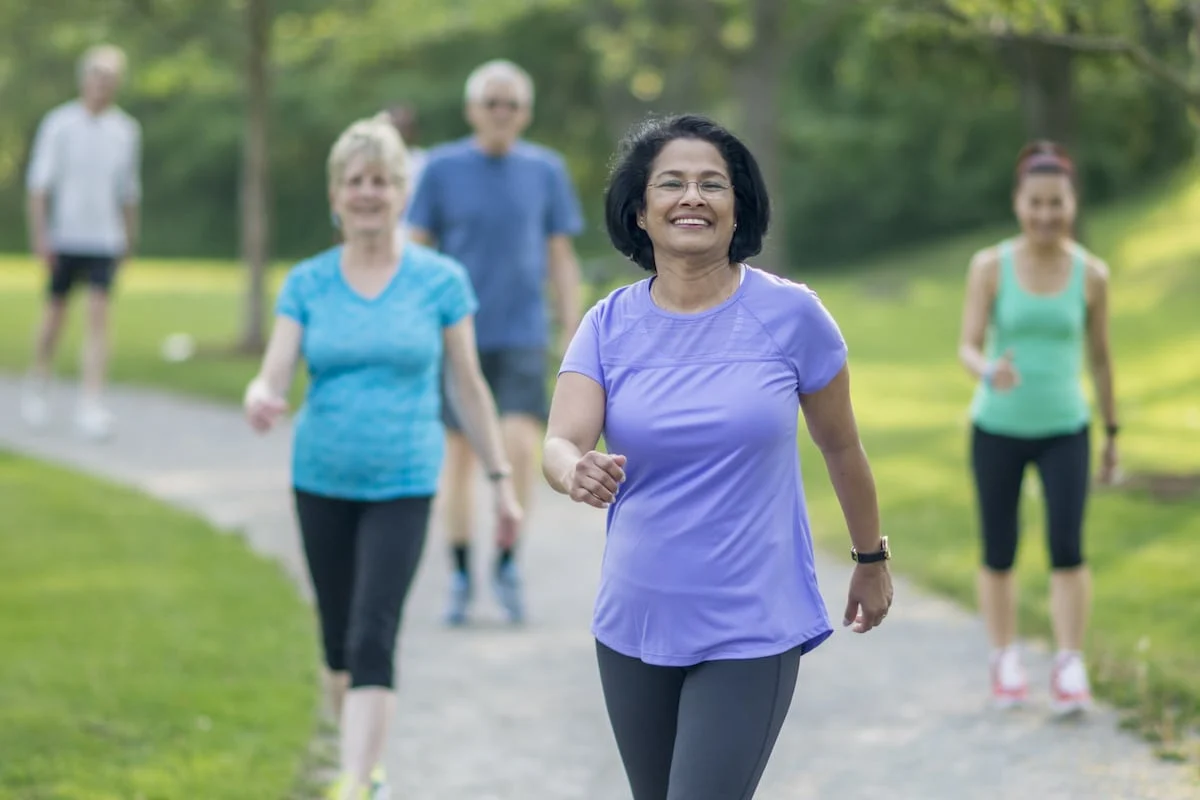
In an era defined by digital isolation and the sterile, high-pressure atmosphere of traditional fitness centers, a grassroots movement is reclaiming the most fundamental human ability: walking. What was once viewed merely as a means of transportation or a solitary exercise regimen has evolved into a vibrant social phenomenon. Organized walking clubs are currently proliferating across urban parks, suburban neighborhoods, and digital fitness communities, transforming sidewalks into corridors of health and human connection.
This paradigm shift marks a significant departure from the "no pain, no gain" ethos that dominated the fitness industry for decades. By centering movement on accessibility, inclusivity, and camaraderie, walking clubs are proving that the most effective exercise is not necessarily the most intense, but the one that individuals will actually sustain.
The Main Facts: A Paradigm Shift in Physical Activity
The rise of the "walking club" is not merely anecdotal; it represents a documented shift in public health behaviors. According to the 2026 findings published in the Fitness Journal, the convergence of movement and social interaction is the primary driver behind this growth.
Participants in these groups report higher rates of consistency compared to those who exercise in solitude. This phenomenon, often termed "social accountability," suggests that the presence of peers provides a psychological anchor that makes physical exertion feel less like a chore and more like a community ritual.
Furthermore, the barrier to entry is virtually non-existent. Unlike boutique fitness studios requiring expensive memberships or specialized equipment, walking clubs require only a pair of shoes and the willingness to show up. This accessibility has democratized fitness, making it available to demographic groups that have historically felt marginalized or intimidated by the traditional gym environment.
Chronology: From Solitary Stride to Collective Movement
The evolution of the walking club into a structured cultural force has occurred in distinct phases over the past five years:
- 2021–2022 (The Reawakening): Following global lockdowns, there was a surge in outdoor activity. Individuals rediscovered their local neighborhoods as primary sites for recreation. Informal "neighborhood strolls" began to formalize via messaging apps and social media platforms.
- 2023 (The Social Integration): Recognizing the demand, local community centers and municipal parks departments began to pilot organized walking programs. These programs started to include "walk leaders" and scheduled routes, moving from spontaneous meetups to structured community events.
- 2024 (The Professional Integration): Fitness professionals, observing the high retention rates of walking groups, began to incorporate "walking-based coaching" into their service menus. Walking ceased to be an "add-on" and became a primary service offering.
- 2025–2026 (The Institutionalization): With the release of the World Health Organization’s Walking and Active Communities report, public policy began to shift. Urban planning started prioritizing pedestrian-friendly infrastructure to accommodate the growing demand for safe, walkable community spaces.
Supporting Data: The Science of the Stride
The efficacy of walking as a health intervention is supported by robust, contemporary evidence. A seminal 2025 study by Paluch et al., published in Circulation, highlighted that walking for health promotion is one of the most effective tools for reducing cardiovascular risk, regardless of age or fitness level.
Key Data Points:
- Consistency: Research indicates that individuals involved in walking groups are 40% more likely to maintain their exercise regimen over a 12-month period compared to solo walkers.
- Mental Health: Data suggests a 25% reduction in self-reported loneliness among participants who engage in group walking at least three times a week.
- Accessibility: Surveys show that 70% of "gym-averse" individuals cite the "social environment" of walking clubs as the reason they feel comfortable initiating a fitness routine.
- Economic Impact: Communities with higher rates of pedestrian activity report a 15% increase in local commerce and improved public safety scores, as more "eyes on the street" discourage illicit activity.
Official Responses and Public Health Perspectives
The World Health Organization (WHO) has officially recognized the potential of walking clubs as a primary vehicle for global health improvement. In their 2025 recommendations, the WHO emphasized that public health is not solely the domain of doctors and clinics; it is the domain of the sidewalk, the park, and the town square.
"We are seeing a transition from reactive healthcare—treating illness after it manifests—to proactive wellness," says Dr. Elena Vance, a lead researcher in active community development. "Walking clubs provide a low-cost, high-impact intervention that addresses two of the most significant crises of our time: the epidemic of sedentary lifestyles and the epidemic of loneliness."
Local government officials are also taking note. In several major metropolitan areas, city planners are collaborating with public health departments to create "walking loops" that connect parks with community centers. These initiatives are not just about paving paths; they are about designing social infrastructure that fosters spontaneous interaction and physical movement.
Implications: The Future of the Fitness Industry
The shift toward walking-based fitness has profound implications for the $100 billion global fitness industry. Traditional gyms, which have historically relied on heavy machinery and intense, high-impact programming, are being forced to adapt.
1. The "Third Space" Evolution
Fitness facilities are beginning to rebrand themselves as "community wellness hubs." This involves dedicating space for group walking departure points, post-walk socialization areas, and seminars on active living. The focus is shifting from "training for vanity" to "training for longevity and community."
2. A New Role for Fitness Professionals
Personal trainers are finding that their role is shifting from that of a "drill sergeant" to a "wellness coach." The ability to facilitate group dynamics, foster inclusivity, and lead diverse groups on walking routes is becoming a highly valued skill set. Professionals who can bridge the gap between physical health and social cohesion are becoming the most successful in the field.
3. The Digital-to-Physical Bridge
While apps and wearable technology continue to track steps and heart rates, the trend is moving toward "low-tech" social connection. Apps are now being used primarily as logistics tools to organize group walks, rather than as solo performance trackers. This represents a healthy maturity in the fitness tech sector—using technology to facilitate real-world human connection rather than to isolate the user in a digital feedback loop.
4. Urban Planning as Public Health
The success of walking clubs is highlighting the inadequacy of existing infrastructure in many cities. Advocates are now pushing for "15-minute city" designs, where essential services and green spaces are accessible via walking. The walking club movement provides the political capital needed to demand safer intersections, better lighting, and more walkable urban zones.
Conclusion: The Path Forward
The rise of walking clubs is more than a trend; it is a fundamental correction to the way we view health in the 21st century. By stripping away the pretension and high costs often associated with fitness, these groups have uncovered a simple truth: we are social animals meant to move together.
As we look toward the remainder of the decade, the walking club movement will likely continue to integrate into the fabric of daily life. Whether it is a group of retirees walking through a city park at dawn or young professionals organizing a "walk and talk" meeting in a suburban business district, the objective remains the same: to find health in one another’s company.
For those who have felt intimidated by the weight room or alienated by the solitary nature of the treadmill, the message is clear: the path to a healthier life does not require a gym membership. It only requires a pair of shoes, a community, and the first step out the door. The future of fitness is not in a machine; it is on the pavement, and it is paved with the collective strides of our neighbors.
References
- Paluch, A. E., Saint-Maurice, P. F., Lavie, C. J., & Kraus, W. E. (2025). Walking for health promotion: Contemporary evidence and public health applications. Circulation, 151(4), 312–324.
- World Health Organization. (2025). Walking and active communities: Global recommendations for physical activity promotion. Geneva, Switzerland: World Health Organization.
- Fitness Journal – 2026, Issue 7. "The Social Stride: How Group Dynamics Enhance Physical Outcomes."