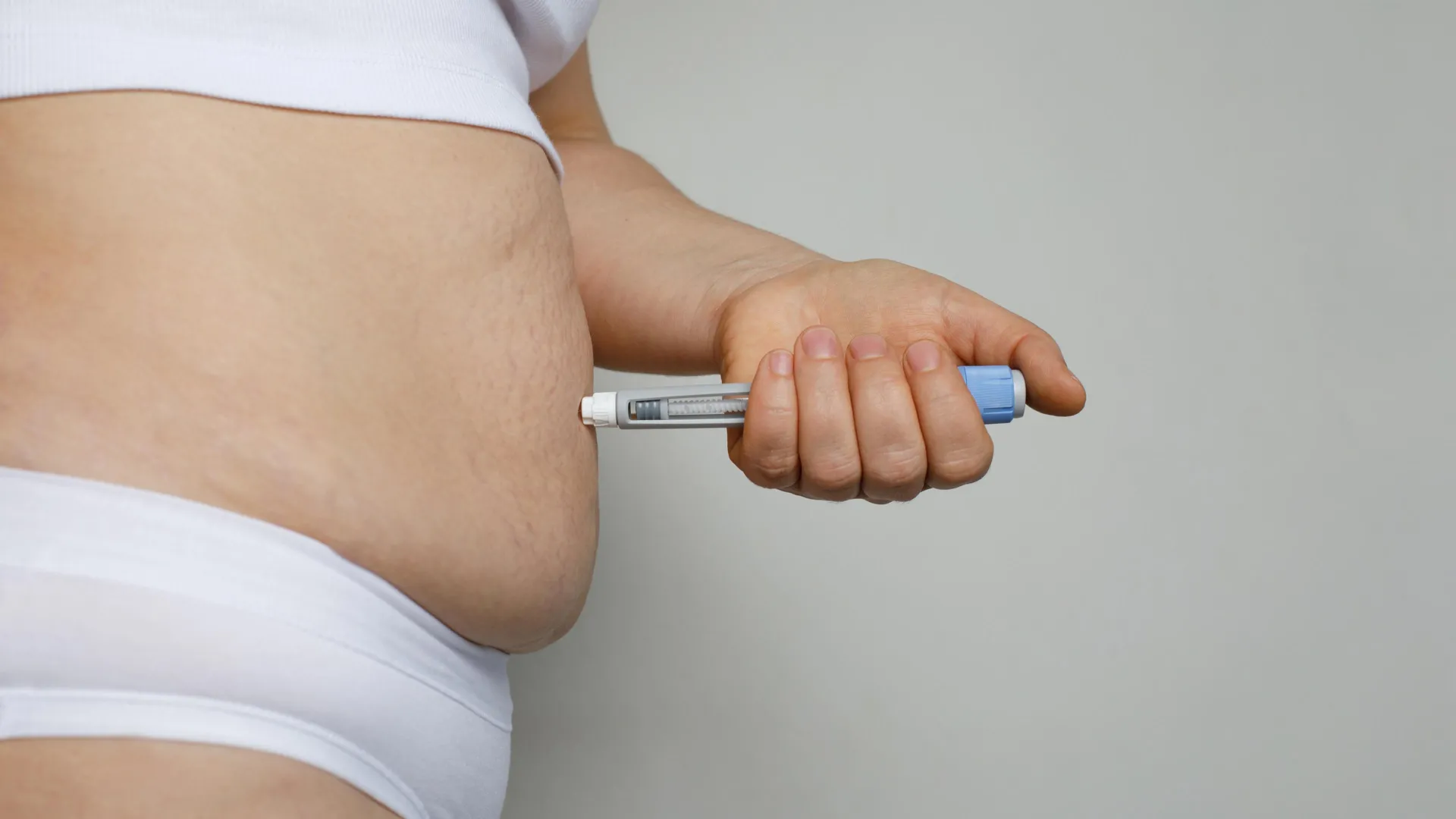
In a findings-heavy presentation at the Endocrine Society’s annual meeting (ENDO 2026) in Chicago, researchers have unveiled a counterintuitive reality regarding the current wave of weight-loss pharmacotherapy. Contrary to the long-standing belief that shedding excess weight naturally encourages individuals to move more, a new study indicates that patients prescribed GLP-1 receptor agonists—such as Ozempic, Wegovy, Mounjaro, and Zepbound—actually experience a significant decline in physical activity levels after beginning treatment.
This data, which utilizes real-world evidence from the National Institutes of Health’s (NIH) All of Us Research Program, suggests that the physiological and metabolic changes induced by these powerful medications may require a paradigm shift in how obesity is managed. As these drugs continue to surge in popularity, medical professionals are increasingly concerned that the reduction in physical activity, combined with the known risk of lean muscle mass loss, could create a "muscle-wasting" trap that complicates long-term health outcomes.
The Chronology of the Study
The investigation, led by Dr. Sajana Maharjan of HSHS St. John’s Hospital in Springfield, Illinois, was designed to track the behavioral trajectory of patients as they transitioned into a state of rapid weight loss.
The researchers utilized data from the All of Us database, a massive, ongoing project that aggregates electronic health records with continuous data streams from wearable devices, such as Fitbits. By isolating a cohort of 1,950 adults diagnosed with obesity who had initiated treatment with a GLP-1 receptor agonist, the team established a baseline for activity levels. Of this initial group, 753 participants provided sufficient, high-quality wearable data to be included in the final analysis.
The cohort was predominantly female (78.6%), with an average age of 52.7 years. By comparing the granular activity data from the period preceding the start of the medication to the period following the initiation of therapy, the team was able to map a clear decline in movement, effectively debunking the assumption that weight loss would act as a catalyst for a more active lifestyle.
Supporting Data: Quantifying the Decline
The findings presented at ENDO 2026 provide a stark statistical reality for clinicians who may have assumed their patients were becoming more mobile as the scale numbers dropped.
Step Count and Intensity Trends
The data demonstrated a consistent downward trend across two primary metrics:
- Daily Step Counts: Before starting their medication, participants averaged 5,047 steps per day. Following the initiation of treatment, this figure plummeted to an average of 4,487 steps.
- Moderate-to-Vigorous Physical Activity (MVPA): The time spent in higher-intensity activity—the kind vital for cardiovascular health and muscle maintenance—dropped from 28 minutes per day to just 22 minutes.
Demographic Vulnerabilities
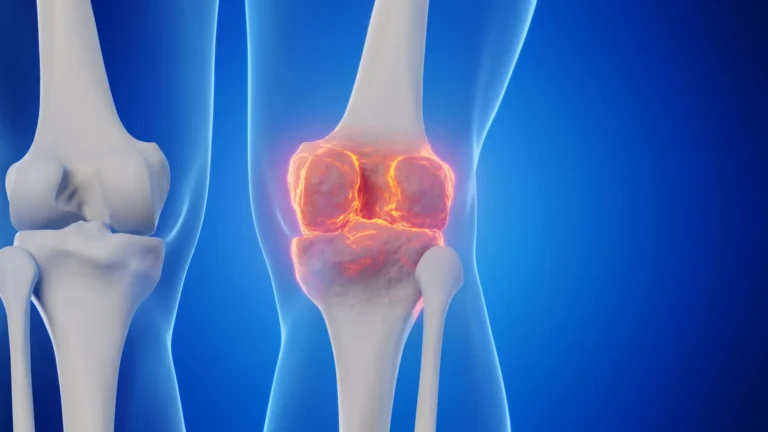
The study further disaggregated the data to see if specific subgroups were more prone to this sedentary shift. The results revealed that men experienced the most significant decreases in activity compared to their female counterparts. Furthermore, patients who reported pre-existing joint or muscle pain showed a sharper decline in movement, likely exacerbated by the rapid physiological changes occurring during the weight-loss process. Interestingly, the study noted that factors such as age, a history of heart failure, or a previous stroke did not mitigate or worsen the trend, suggesting that the reduction in activity is a widespread phenomenon across the patient population, regardless of their underlying medical history.
The Mechanism: GLP-1s and Muscle Health
The core of the issue lies in the pharmacological nature of GLP-1 receptor agonists, which include semaglutide (Ozempic, Wegovy) and tirzepatide (Mounjaro, Zepbound), as well as older iterations like liraglutide and dulaglutide. While these medications are highly effective at suppressing appetite and inducing caloric deficits, they are not selective regarding the tissue they deplete.
When the body enters a state of rapid weight loss, it often burns through both fat stores and lean muscle mass. Muscle is metabolically expensive; it requires significant energy to maintain. In the absence of consistent, high-intensity exercise and sufficient protein intake, the body may prioritize the shedding of muscle tissue as it adjusts to a lower caloric intake.
Dr. Maharjan emphasized that protecting muscle mass is not just an aesthetic concern—it is a cornerstone of metabolic health. Muscle serves as the body’s primary "glucose sink," helping to regulate blood sugar levels. A decrease in physical activity only accelerates the loss of this vital tissue, creating a cycle where the patient becomes physically weaker and, consequently, less inclined to engage in the very activities that would help them retain muscle.
Official Responses and Clinical Implications
The medical community has received these findings with a mixture of concern and a call to action. Dr. Maharjan’s presentation serves as a clarion call that "exercise cannot be an afterthought" in the context of GLP-1 therapy.
"While many assume that weight loss leads naturally to increased physical activity, our study suggests the opposite," Dr. Maharjan noted during the conference. "These findings reinforce the fact that exercise is not optional. We need to move away from viewing weight-loss medication as a ‘magic pill’ and toward a model of care that includes targeted, structured interventions for physical activity."
Integrating Movement into Treatment Plans
Clinicians are now being urged to reconsider the "medical home" approach to obesity. Rather than prescribing these medications in isolation, the study suggests that healthcare providers should:
- Monitor Activity Levels: Use wearable data to track patient progress beyond the scale.
- Prescribe Strength Training: Emphasize resistance training to counteract the inherent muscle-wasting effects of GLP-1s.
- Address Pain Barriers: Provide specialized physical therapy or low-impact exercise recommendations for patients who experience joint or muscle pain, which the study identified as a key driver of sedentary behavior.
Implications for Public Health
The broader implications of this study are significant. As millions of individuals worldwide adopt these medications to manage obesity and associated conditions like Type 2 diabetes, the risk of a "sedentary population" remains a looming concern. If patients lose significant weight but also lose significant muscle mass and physical fitness, they may find themselves in a precarious position where they are thinner but metabolically weaker and physically frailer.
This study is the first of its kind to utilize large-scale wearable fitness tracker data to examine these patterns, providing a more objective, longitudinal view than self-reported surveys. The use of the All of Us database gives the findings a level of credibility that is difficult to ignore.
The takeaway for the public is clear: while GLP-1 receptor agonists are a powerful tool for weight management, they are not a substitute for the physiological benefits of movement. The weight loss provided by these medications is only one component of health. To maintain the gains achieved through treatment, patients must be encouraged to remain active, prioritize resistance training, and proactively monitor their physical health, even when the primary goal—weight loss—is being achieved effortlessly.
As the medical field continues to grapple with the long-term usage of these medications, the focus must shift from simply "losing weight" to "improving health." Without deliberate efforts to maintain physical activity levels, the very tools used to combat the obesity epidemic may inadvertently contribute to a decline in physical functionality, proving that the journey to health is as much about how we move as it is about how much we weigh.