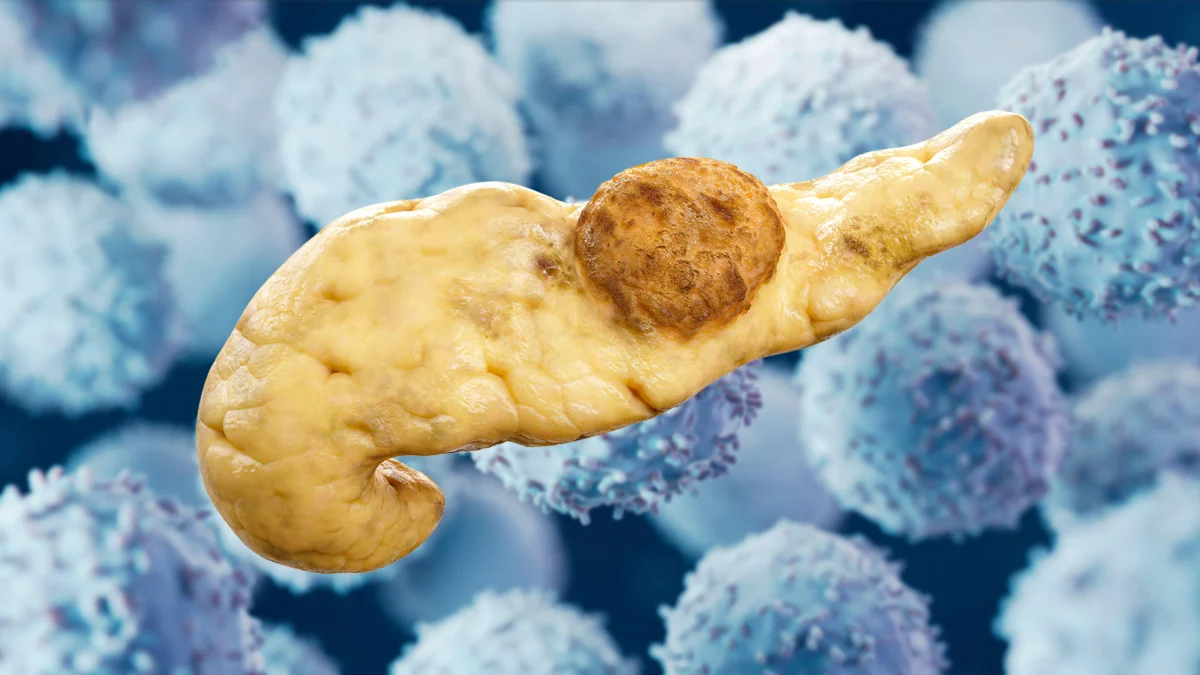
In a groundbreaking development for oncology, a small-scale clinical trial has provided the first human evidence that a peptide vaccine targeting KRAS mutations can effectively stimulate the immune system to recognize and potentially intercept pancreatic cancer before it fully develops. The findings, published in the journal Cancer Discovery, represent a significant shift in the approach to pancreatic ductal adenocarcinoma (PDAC), moving the goalposts from treating late-stage malignancy to proactive, preventative immune intervention.
Led by Dr. Neeha Zaidi of Johns Hopkins Medicine, the research team focused on a cohort of high-risk patients—individuals with a hereditary predisposition to pancreatic cancer—who harbor precancerous lesions. The results suggest that by priming the immune system to recognize the “mutant” signature of the KRAS oncogene, physicians may be able to halt the progression of lesions before they transform into lethal, invasive tumors.
The Challenge of PDAC: An "Immunologically Cold" Adversary
Pancreatic ductal adenocarcinoma remains one of the most formidable challenges in modern medicine. Known for its aggressive nature and poor prognosis, PDAC is often described as an "immunologically cold" cancer, meaning the tumor microenvironment is inherently immunosuppressive, effectively hiding malignant cells from the body’s natural surveillance systems.
Current standard-of-care options for high-risk individuals—such as those with intraductal papillary mucinous neoplasms (IPMNs)—often involve aggressive surgical resection. While these surgeries can be life-saving, they are fraught with potential complications and significant morbidity. Furthermore, for many patients, the most common precursor, pancreatic intraepithelial neoplasia (PanIN), is invisible on standard imaging, leaving clinicians with few options other than "watchful waiting."
The study authors noted that because the evolution from these precursor lesions to invasive PDAC often spans a decade or longer, a "window of opportunity" exists. By targeting the KRAS mutation—a genetic driver present in over 90% of PDAC cases—researchers hope to create a non-invasive, precision-based interception strategy.
Chronology of the Research: From Preclinical Success to Human Trials
The path to this clinical trial began in the laboratory, where researchers utilized preclinical models of KRAS-driven pancreatic cancer. In these early studies, vaccinating subjects against mutant KRAS (mKRAS) successfully slowed the progression of early PanIN lesions to invasive cancer and notably prolonged survival.
Buoyed by these results, the Johns Hopkins team developed a clinical-grade vaccine, dubbed mKRAS-VAX, designed to target the six most common KRAS mutations found in pancreatic malignancy. The subsequent first-in-human trial enrolled 20 participants, all of whom possessed a documented familial or germline predisposition to PDAC and radiographic evidence of pancreatic abnormalities, such as cysts consistent with IPMNs.
The study protocol involved five subcutaneous vaccinations. Researchers performed serial blood draws through the first 17 weeks to monitor immune activation, followed by annual follow-up visits to assess long-term durability of the immune response.
Supporting Data: Immune Activation and Cyst Regression
The data emerging from the trial are encouraging. Among the 20 patients, 18 demonstrated a robust, KRAS-specific T-cell response following vaccination. The median increase in the mKRAS-specific T-cell response was 18.2-fold, a significant indicator that the vaccine successfully "woke up" the immune system.
Durability and Diversity
Perhaps most impressive was the longevity of the response. Vaccine-induced T-cell clonotypes were found to persist for up to two years. Furthermore, the vaccine demonstrated a degree of versatility; T-cell responses were observed across a broad range of HLA alleles, suggesting that mKRAS-VAX could function as an "off-the-shelf," HLA-agnostic tool. While the vaccine showed varying immunogenicity across different mutation types—eliciting stronger responses against G12A, G12V, and G12R compared to G12D and G13D—half of the participants achieved a significant response against all six antigens included in the vaccine.
Exploratory Findings in Cyst Morphology
In a post-hoc analysis, researchers examined MRI scans of the pancreatic cysts in 16 of the patients. The results showed that three patients experienced complete cyst resolution, while another three saw partial regression. When compared to a control cohort of unvaccinated patients with similar clinical profiles—where only 6.8% experienced spontaneous regression—the 37.5% regression rate in the vaccinated group is striking. While these findings are exploratory and require further validation, they hint at a potential clinical benefit beyond mere immune stimulation.
Safety and Tolerability
For a preventative vaccine, the safety profile is paramount. The study reported no grade 3 or higher adverse events (AEs). The most common side effects included fatigue, chills, and flu-like symptoms, all of which were reported as mild and self-limiting. During the 16.5-month median follow-up period, not a single patient in the study developed pancreatic cancer, providing a preliminary signal of safety and potential efficacy.
Official Perspectives: Dr. Neeha Zaidi and the Future of Interception
In an interview with MedPage Today, Dr. Zaidi emphasized that while the blood-based immune response is a major milestone, the next phase of research must move deeper into the biological impact of the vaccine.
"We were able to collect blood before and after vaccination and look at whether there was an immune response specific to the vaccine, but we weren’t able to look at what happened at the tissue level," Dr. Zaidi explained. "Were these immune cells actually able to get into the tissue? What were they doing there?"
The team is currently launching follow-up studies specifically targeting patients with pancreatic cysts or IPMNs who are scheduled for surgery. By vaccinating these individuals prior to their procedures, researchers will be able to analyze surgically removed tissue to see if the vaccine-induced T-cells successfully infiltrated the precancerous lesions.
Clinical Implications and Moving Forward
The implications of this study are far-reaching. By shifting the focus to immune interception, the field of oncology may be entering an era where high-risk patients can avoid the "surgical threshold" through non-invasive immunotherapies.
Key Takeaways for Clinical Practice:
- Proof of Concept: The study serves as a definitive proof-of-concept that oncogene-targeted vaccines can induce long-term immune surveillance in high-risk populations.
- HLA-Agnostic Potential: The ability of the vaccine to work across a range of HLA alleles simplifies the manufacturing and deployment process, making it a more viable candidate for widespread clinical use.
- The "Pre-Cancer" Advantage: By targeting the precancerous microenvironment—which is notably less immunosuppressive than established, late-stage PDAC—the vaccine may have a significantly higher chance of success than similar therapies tested in metastatic settings.
However, the authors remain cautious. While the absence of cancer development in the 16.5-month follow-up is encouraging, they acknowledge that larger, multi-center trials are required to confirm clinical efficacy. A critical area for future research will be determining the optimal timing and frequency of booster vaccinations to ensure that T-cell responses remain robust over the many years required for cancer prevention.
Ultimately, this study offers a glimmer of hope for a patient population that has long been defined by high anxiety and limited prophylactic options. If these results hold in larger cohorts, the mKRAS-VAX vaccine could transform pancreatic cancer from a disease of late-stage diagnosis to one that is intercepted and neutralized long before it can take hold. As the research transitions into tissue-level analysis, the medical community will be watching closely to see if this "vaccine-first" approach can finally turn the tide against one of the deadliest cancers in existence.